
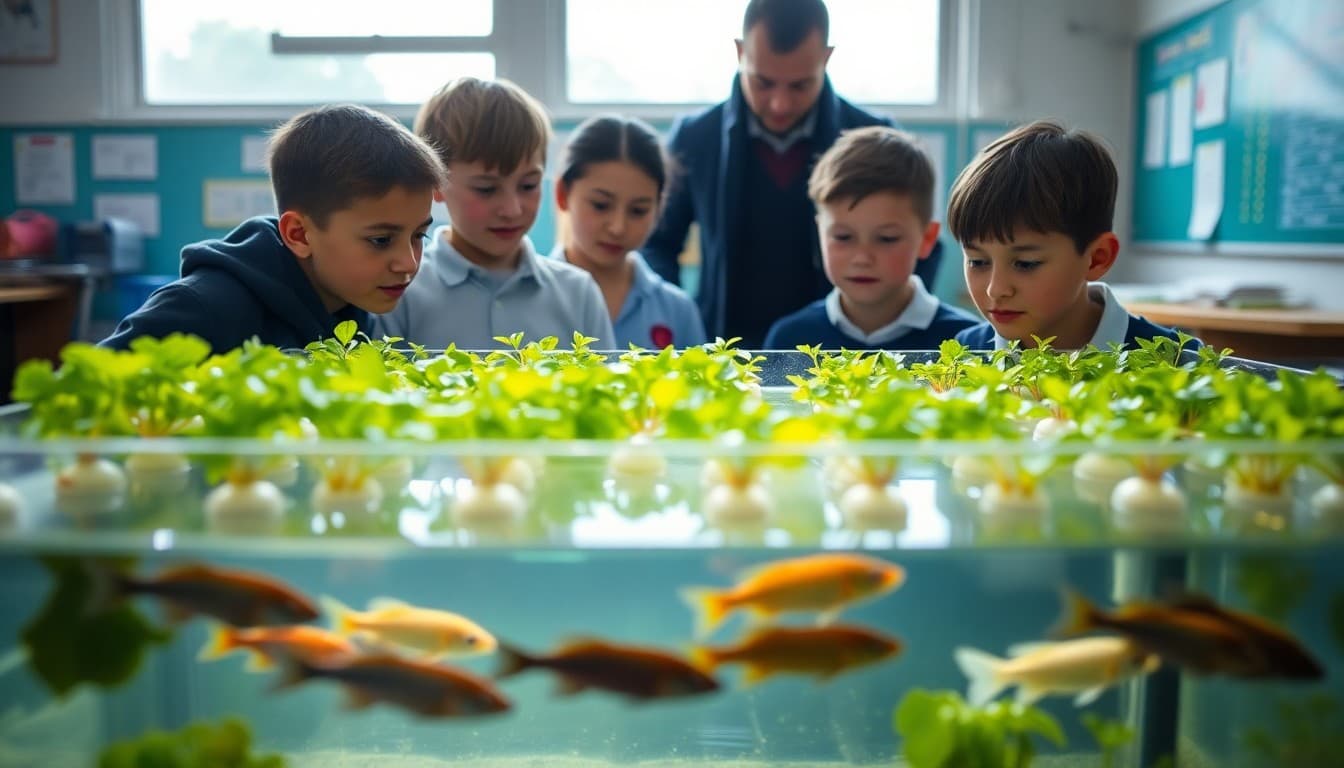
Teacher Newsletter for Aquaponics Unit: Teach Ecosystems Through Living Systems
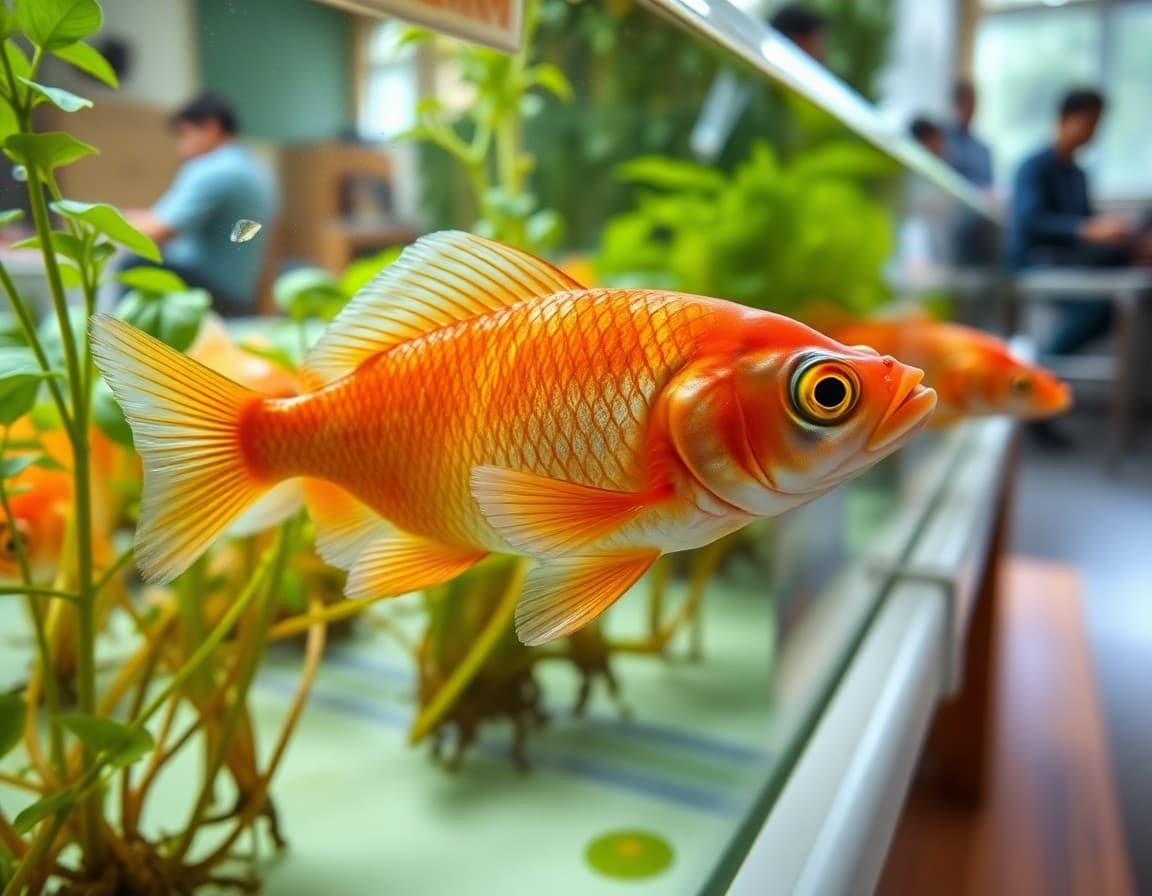
An aquaponics unit puts a living ecosystem inside the classroom. Fish and plants exist in a mutual relationship, each supporting the other's survival. Students care for both, monitor water quality, track growth, and observe an ecological cycle in real time. Your newsletter is what prepares families for the responsibility their child will take on and the science they will learn through it.
Explain the Aquaponics System Clearly
Start with the basic cycle. Fish produce waste in the water. Bacteria in the system convert that waste into nitrogen compounds that plants can use. Plants absorb those nutrients through their roots. The water, now filtered by the plants, returns clean to the fish tank. That closed loop is what makes aquaponics a self-sustaining system and a model of ecological efficiency. A family who understands this cycle can help their child explain it accurately to anyone who asks.
Name the Species in the System
Whether the system uses goldfish, tilapia, or guppies alongside lettuce, basil, or spinach, name the specific species. Students who know the names of their fish and plants treat the system as a real ecosystem rather than a display tank. Families who know the species can look them up with their child, read about their ecology, and add a layer of interest to the unit.
Describe the Student Care Responsibilities
Students in an aquaponics unit take on real responsibilities: feeding the fish on a schedule, testing water pH and ammonia levels, measuring plant growth, and observing any changes in the system. Your newsletter should describe these tasks so families understand that the unit involves sustained accountability, not just passive observation. That context helps families reinforce the responsibility ethic at home.
Address the Big Questions Families Will Have
Three questions will come home with every student: what happens to the fish when the unit ends? What if a fish dies? What happens if the plants fail? Address each briefly in the newsletter. The unit will end with a clear plan for the system. Occasional losses are part of managing a living ecosystem and part of what students learn from. Plant failures are data points, not mistakes. Honest answers prevent unnecessary anxiety.
Connect to Sustainability and Food Systems
Aquaponics is used in commercial food production as a sustainable alternative to traditional fish farming and soil-based agriculture. A brief mention of real-world applications connects the classroom system to a broader context. Students who see the unit as connected to something happening in the world engage with it differently.
Share Regular System Updates
A weekly newsletter with a photo of the system and a data point, how much the plants grew, what the pH reading was, whether the fish showed any interesting behavior, keeps families connected to the living classroom project. Using Daystage, those updates are quick to produce and maintain family engagement throughout the full arc of the unit.
Get one newsletter idea every week.
Free. For teachers. No spam.
Frequently asked questions
What is aquaponics and how should the newsletter explain it?
Aquaponics is a closed-loop system where fish and plants grow together. Fish produce waste that becomes nutrients for plants. Plants filter the water, which returns clean to the fish tank. It is a miniature ecosystem that demonstrates nutrient cycling, symbiosis, and sustainable food production. Your newsletter should explain this cycle in simple terms.
What science concepts does an aquaponics unit address?
Nitrogen cycle, nutrient cycling, symbiotic relationships, aquatic ecosystems, plant biology, water chemistry, and sustainable agriculture. These connect to life science and earth science standards at most grade levels. Your newsletter should name the specific concepts students will investigate.
Who is responsible for caring for the fish and plants?
Students rotate fish feeding and water testing responsibilities. Your newsletter should describe the care schedule, what students monitor, and whether any monitoring happens over weekends and school breaks. Families who understand the care commitment can support their child in taking the responsibility seriously.
What happens to the fish and plants at the end of the unit?
Address this question directly in the newsletter. Options include continuing the system in the classroom, donating it to another school, or following your school's animal care policies. Families will ask their child about this, and having an honest answer ready reduces anxiety about the fate of classroom animals.
What tool helps teachers send newsletters efficiently?
Daystage makes aquaponics unit newsletters compelling with photo-rich updates showing the system at different stages of growth. You can send weekly observations, explain the science, and share student discoveries in one clean message.

Adi Ackerman
Author
Adi Ackerman is a former classroom teacher and curriculum writer with 8 years in K-8 schools. She writes about school communication, parent engagement, and what actually works in real classrooms.
More for Classroom Teachers
Ready to send your first newsletter?
3 newsletters free. No credit card. First one ready in under 5 minutes.
Get started free