

Teacher Newsletter for Hydroponics Unit: Grow Science Curiosity
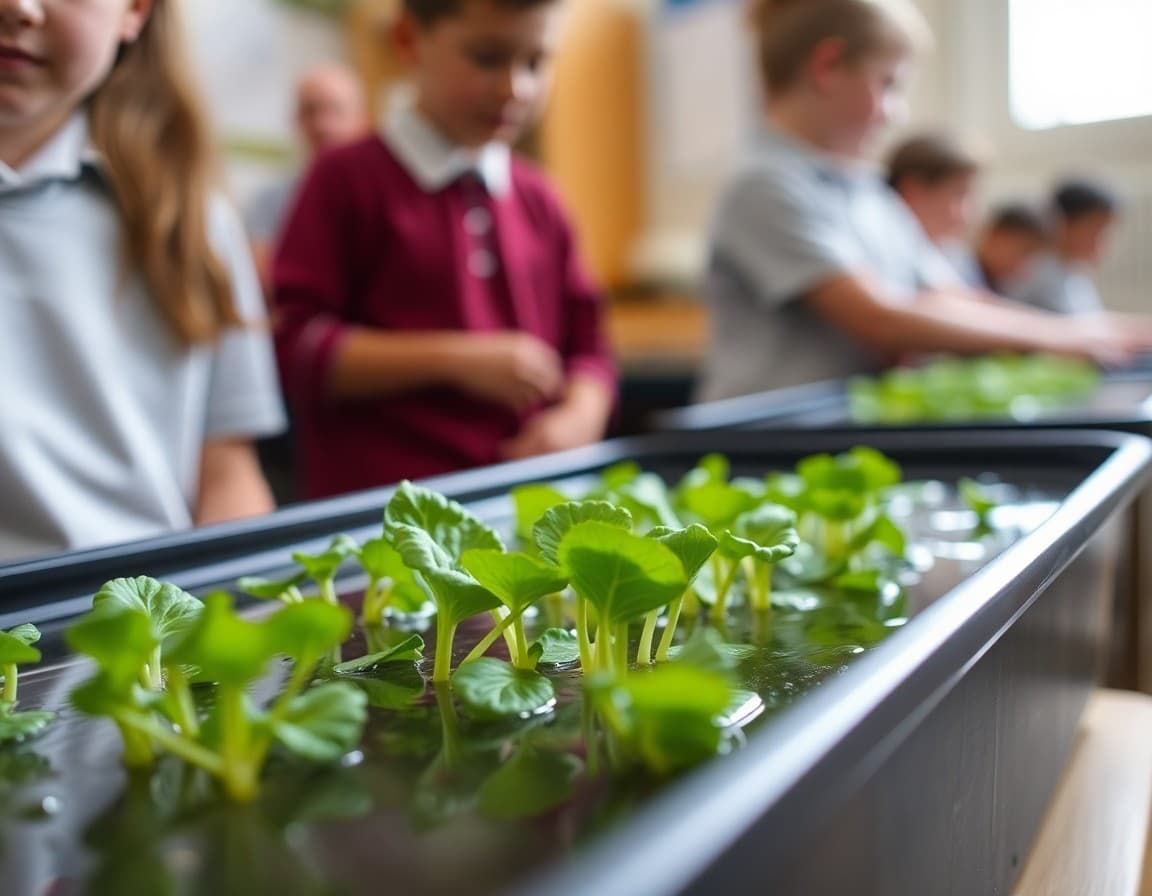
A hydroponics unit is one of the most visually engaging science projects a classroom can run. Students watch plants grow in water with no soil in sight, measure growth daily, and see results far faster than a traditional garden. The technology is also genuinely relevant: hydroponic farming is one of the fastest-growing sectors of modern agriculture. Your newsletter is what connects this experience to the families watching their child come home excited about lettuce.
Explain Hydroponics Simply and Accurately
Open the newsletter with a clear, accessible explanation. In a hydroponic system, plants grow with their roots suspended in water rather than anchored in soil. The water contains the nutrients the plant needs: nitrogen, phosphorus, potassium, and trace minerals. Without soil, there is no competition for resources, no drainage issues, and no weeding. Plants grow faster, use less water, and can be grown year-round indoors. That description gives families a real understanding of what their child is learning to work with.
Name the Science Concepts
Hydroponics is applied plant biology. Students learn what nutrients plants need and why, how roots absorb water and dissolved minerals, what role pH balance plays in nutrient availability, and how light and temperature affect growth rate. If your class is comparing hydroponic growth to soil-grown growth, students are also practicing controlled experiment design. Your newsletter should name these concepts so families understand the academic depth.
Describe the Specific System and Crops
Whether you are using a commercial kit, a DIY nutrient film technique setup, or a simple mason jar system, describe it. Name the crops students are growing. Families who know their child is growing lettuce or basil in a classroom reservoir have a specific topic to ask about at pickup. Specificity drives engagement.
Share Daily or Weekly Growth Observations
One of the most compelling aspects of hydroponics for students is the speed of visible growth. A newsletter update once a week with a photo of the system and a measurement of how much the plants have grown keeps families invested in the project between parent pickups and classroom visits.
Mention Real-World Applications
Hydroponics is used in vertical farms, space agriculture research, urban rooftop farms, and commercial greenhouse operations. A brief mention of where this technology shows up in the real world connects the classroom experiment to a broader context that makes the learning feel current and relevant.
Suggest a Home Experiment
Families who want to try a simple version at home can start with a mason jar of water, a few basil cuttings, and indirect sunlight. No special equipment needed. Your newsletter can suggest this as a low-stakes way to extend the unit. Using Daystage, you can include a photo of a simple home setup alongside your classroom system as a side-by-side comparison idea.
Get one newsletter idea every week.
Free. For teachers. No spam.
Frequently asked questions
What is hydroponics and how should the newsletter explain it?
Hydroponics is the practice of growing plants without soil, using water infused with nutrients as the growth medium. Your newsletter should explain this simply: instead of roots searching for nutrients in soil, the nutrients are delivered directly to the roots through water. This makes the process faster and more controllable than traditional growing.
What science concepts does a hydroponics unit cover?
Plant biology and nutrient needs, photosynthesis, root function, water chemistry, controlled experiment design, and data collection. If you measure plant growth over time and compare it to soil-grown plants, you also cover experimental design and data analysis. Name the specific concepts in the newsletter.
What are students growing in the classroom hydroponic system?
Common hydroponic crops for classrooms include lettuce, basil, kale, spinach, and herbs like cilantro. If students are growing a specific crop, name it in the newsletter. Families appreciate the specificity and students can talk about their specific plant at home.
Can families try a small hydroponic setup at home?
Yes. Simple countertop hydroponic kits are available for under $30 and can grow herbs or greens in a kitchen window. Your newsletter can mention this as an optional home extension. Students who maintain a hydroponic plant at home bring firsthand observation data to class.
What tool helps teachers send newsletters efficiently?
Daystage makes hydroponics unit newsletters easy with a visual format that showcases plant growth photos, explains the science, and includes home connection ideas in one message that reaches every family before the unit ends.

Adi Ackerman
Author
Adi Ackerman is a former classroom teacher and curriculum writer with 8 years in K-8 schools. She writes about school communication, parent engagement, and what actually works in real classrooms.
More for Classroom Teachers
Ready to send your first newsletter?
3 newsletters free. No credit card. First one ready in under 5 minutes.
Get started free