
Newsletter for Your Food Webs Unit: Connecting Science to the Dinner Table

Food webs are one of the most tangible science topics because they connect to something students encounter every day: eating. Once students understand that every meal is connected to producers, consumers, and decomposers, they start seeing the food web in their lunch, their backyard, and in news stories about species and habitat loss. A newsletter that makes that connection explicit helps families engage the unit in everyday conversations.
Food Chains: The Starting Point
A food chain is a linear sequence showing who eats whom. Grass is eaten by a rabbit. The rabbit is eaten by a hawk. The hawk dies and is broken down by decomposers (bacteria and fungi). The energy in the grass moved up the chain, with some lost as heat at each step. Your newsletter should explain this linear model before introducing the web, because the chain is the building block of the web.
From Chains to Webs
Real ecosystems are not linear. A rabbit eats not just grass but berries and leaves. A hawk eats not just rabbits but mice and snakes. When you show all of these relationships together, overlapping and interconnecting, you get a web. The web is more accurate to how nature works and reveals why the loss of one species can ripple through many others. That "what happens if one part disappears" question is one of the most engaging in the unit.
Producers, Consumers, and Decomposers
These three roles make up every food web. Producers (plants and photosynthetic organisms) capture energy from the sun and make it available to everyone else. Consumers (animals) eat other organisms to get energy. Primary consumers eat producers. Secondary consumers eat primary consumers. Tertiary consumers eat secondary consumers. Decomposers (bacteria and fungi) break down dead organic matter and return nutrients to the soil, where producers use them again. The cycle is complete.
Vocabulary Families Need
Producer, consumer, decomposer, food chain, food web, predator, prey, herbivore, carnivore, and omnivore are the core terms. For each: herbivore eats only plants; carnivore eats only animals; omnivore eats both. Predator hunts and eats prey. These terms show up in every homework assignment and project in the unit. Families who know them can have a useful conversation about homework instead of starting from scratch.
Connecting Food Webs to the Dinner Table
The most effective home activity for this unit costs nothing: trace the food on the dinner plate back to the sun. Chicken ate corn that grew using sunlight. That is a two-step food chain. Beef from a cow that ate grass: same. A salad is mostly producers, eaten directly. Ask families to do this during one meal this week: "Point to something on your plate and trace it back to the sun. How many steps does it take?" That conversation is the unit in action.
What Happens When Part of the Web Is Disrupted
This is the most important ecological application of the food web concept. If wolves disappear from a forest, the deer population grows unchecked. Deer overgraze the vegetation. Plants disappear. Insects that lived in those plants disappear. Birds that ate those insects struggle. One disruption causes a cascade. This phenomenon, called a trophic cascade, is documented in real ecosystems and is deeply relevant to conservation biology. Your newsletter can introduce it: "Ask your child: what would happen if all the bees in our area disappeared? That question uses everything we learn in this unit."
Sample Newsletter Excerpt
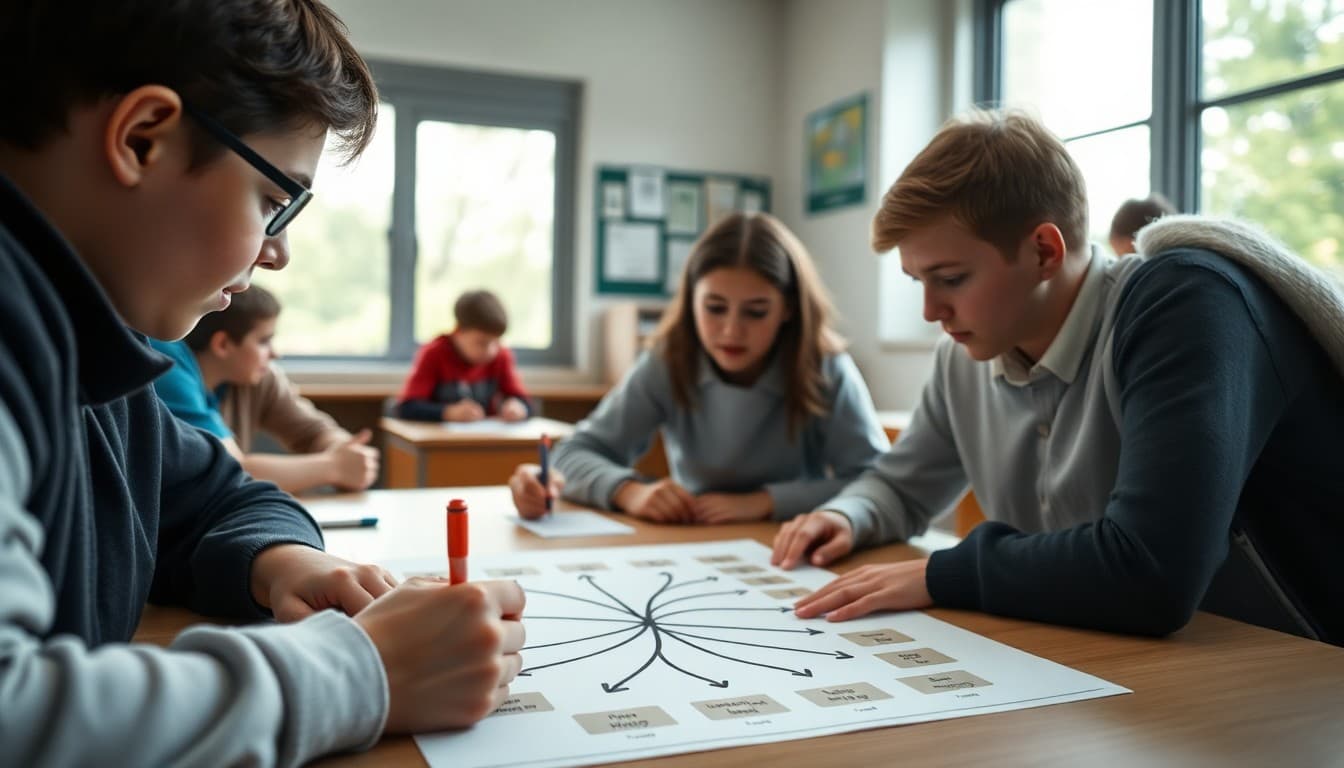
Try this: "This week we are building food webs. Students pick a local ecosystem and map out who eats whom, drawing arrows showing energy flow. At home, try this conversation at dinner: pick one thing on your plate and trace it back to the sun. A piece of bread: wheat grew using sunlight, we ate the wheat. That's a food chain right there. Ask your child to trace one more item on the plate and count how many steps it takes to get back to the sun."
Sending the Food Web Newsletter
Daystage lets you include a simple food web diagram and vocabulary list in your newsletter, then send it to every family at once. Adding a visual of a local food web makes the concept immediately clear and gives students something to reference at home. Write your unit update, add the diagram, and send before the unit begins so families arrive at the dinner table conversations ready.
Get one newsletter idea every week.
Free. For teachers. No spam.
Frequently asked questions
What should a food webs unit newsletter cover?
Explain what a food chain is, how a food web differs from a food chain, the roles of producers, consumers, and decomposers, how energy flows through the web, and what happens when part of the web is disrupted.
How do I explain a food web vs. a food chain to parents?
A food chain is a simple, straight sequence: grass is eaten by a grasshopper, which is eaten by a frog, which is eaten by a snake. A food web is multiple food chains overlapping and connected. Real ecosystems are webs, not chains, because most animals eat more than one thing and are eaten by more than one predator.
What vocabulary should I include in the food webs newsletter?
Producer, consumer (primary, secondary, and tertiary), decomposer, food chain, food web, predator, prey, herbivore, carnivore, and omnivore are the key terms. Energy flow and trophic level are useful for upper grades. Brief definitions in plain language are all families need.
How can families connect food webs to everyday life?
Dinner is a food web lesson. Ask students to trace the food on their plate back to the sun: the chicken ate corn, the corn grew using sunlight. The apple was grown by a tree that converted sunlight into sugar. Everything we eat ultimately comes from the sun's energy through producers.
What tool helps teachers send science unit newsletters?
Daystage is a classroom newsletter platform that makes it easy to send unit updates with vocabulary, diagrams, and home activities to all families at once. Many science teachers use it for unit newsletters throughout the year.

Adi Ackerman
Author
Adi Ackerman is a former classroom teacher and curriculum writer with 8 years in K-8 schools. She writes about school communication, parent engagement, and what actually works in real classrooms.
More for Classroom Teachers
Ready to send your first newsletter?
3 newsletters free. No credit card. First one ready in under 5 minutes.
Get started free