
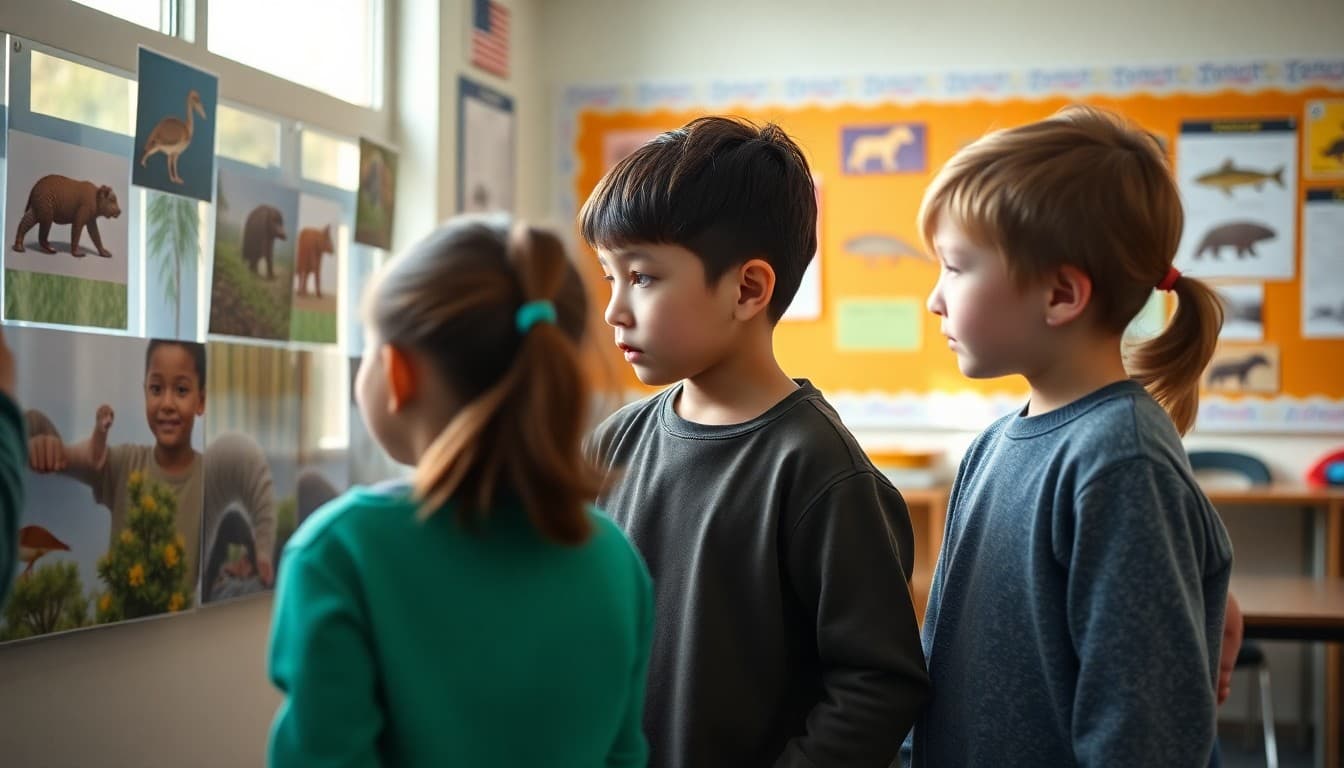
Newsletter for Your Animal Adaptations Unit: Fun Ways to Explore at Home
Animal adaptations is one of those units where students start seeing biology everywhere. Once they learn that a woodpecker's long beak is an adaptation for reaching insects in bark, they start noticing every beak, every claw, every color pattern differently. A newsletter that explains the core concepts and gives families ways to observe and discuss adaptations makes that shift happen at home too.
What an Adaptation Is
An adaptation is a feature that improves an organism's ability to survive and reproduce in its environment. Adaptations develop over many generations through natural selection: animals with traits better suited to their environment survive longer and have more offspring, passing those traits on. Over time, those helpful traits become common in the population. The Arctic fox's white fur, the cactus's water-storing stem, the bat's echolocation: all of these are adaptations.
Structural vs. Behavioral Adaptations
These are the two main categories students learn. Structural adaptations are physical features: the sharp beak of an eagle for tearing meat, the flat teeth of a horse for grinding grass, the gills of a fish for extracting oxygen from water. Behavioral adaptations are actions: migration, hibernation, nocturnal activity, camouflage coloring used actively. Your newsletter should define both categories clearly and give one example of each from an animal students are likely to know.
Key Vocabulary for the Unit
Adaptation, structural adaptation, behavioral adaptation, habitat, predator, prey, camouflage, mimicry, hibernation, and migration are the essential terms. Camouflage deserves a brief definition: an adaptation in which an animal's color or pattern blends with its environment, making it harder to see. Mimicry: an adaptation in which one species resembles another for protection (a harmless fly that looks like a bee). These examples make the terms memorable.
Connecting to Local Animals
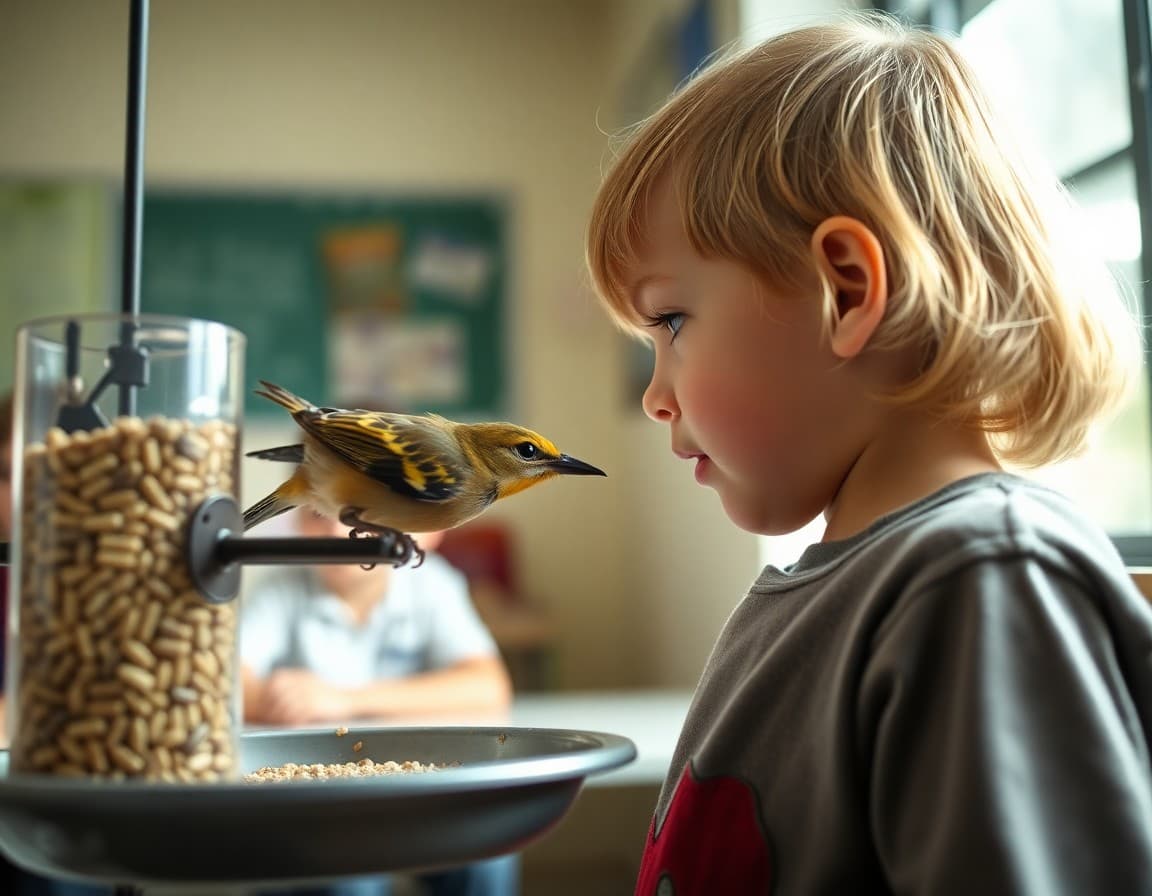
Adaptations feel most real when students observe them in animals they can actually see. Ask families to look at backyard birds: a hummingbird's long beak is adapted for reaching nectar deep in flowers; a robin's shorter beak is adapted for pulling worms. Squirrels burying nuts is a behavioral adaptation. A deer's brown coat blending with dried leaves is a structural adaptation. These observations take no equipment and happen right outside.
A Home Observation Activity
Suggest this specific activity: spend 10 minutes watching birds at a feeder or in a yard. Look at the beak shapes of the birds you see. Ask your child: what does this beak shape tell us about what this bird eats? Then look up one fact about that bird's diet and confirm or revise the prediction. That observation, prediction, and check is exactly the scientific thinking the unit builds.
Sample Newsletter Excerpt
Here is language you can adapt: "This month we are studying animal adaptations. An adaptation is any feature that helps an animal survive in its environment. These can be physical (like a seal's thick blubber for staying warm in cold water) or behavioral (like a bear hibernating through winter when food is scarce). At home, next time you see a bird, insect, or other animal, ask your child: what is one adaptation this animal has for its environment? What problem does that adaptation solve? There are no wrong answers, just good thinking."
Natural Selection as the Mechanism
If your grade level covers natural selection, explain it briefly for families: adaptations do not happen in one animal's lifetime. They develop over generations because animals with helpful traits survive and have more offspring, who inherit those traits. Over time, the helpful trait becomes more common. This idea helps families understand that adaptations are not choices; they are the result of generations of differential survival. That framing prevents common misconceptions like "the giraffe grew a long neck to reach leaves."
Sending the Unit Newsletter
Daystage lets you add photos of animals from your classroom materials, a vocabulary list, and the home activity suggestion all in one newsletter that goes to every family at once. Visual content is especially valuable for an adaptations unit because seeing the adaptation reinforces the concept far better than describing it. Write your update, add a photo, and send before the unit begins.
Get one newsletter idea every week.
Free. For teachers. No spam.
Frequently asked questions
What should an animal adaptations newsletter cover?
Explain the difference between structural and behavioral adaptations, give examples from the animals your class is studying, share vocabulary, and suggest observation activities families can do at home or outdoors during the unit.
How do I explain adaptation to parents simply?
An adaptation is a feature that helps an animal survive in its environment. It can be physical (a polar bear's thick fur, a duck's webbed feet) or behavioral (a bear hibernating in winter, birds flying south for the season). Over many generations, the animals best suited to their environment tend to survive and pass on their traits.
What vocabulary should the animal adaptations newsletter include?
Adaptation, structural adaptation, behavioral adaptation, habitat, predator, prey, camouflage, mimicry, hibernation, and natural selection are the core terms. Brief definitions help families follow homework and discuss examples during the unit.
What home activities work well for the animal adaptations unit?
Ask families to watch backyard birds for 10 minutes and note what the beak shape of each bird tells them about what it eats. Look up one local animal and find two of its adaptations. Watch a nature documentary clip and identify adaptations. These activities are free and directly tied to unit content.
What tool helps teachers send animal science unit newsletters?
Daystage is a classroom newsletter platform that supports photos and formatted text. Teachers use it to send unit updates with vocabulary lists, activity suggestions, and photos of student science work to all families at once.

Adi Ackerman
Author
Adi Ackerman is a former classroom teacher and curriculum writer with 8 years in K-8 schools. She writes about school communication, parent engagement, and what actually works in real classrooms.
More for Classroom Teachers
Ready to send your first newsletter?
3 newsletters free. No credit card. First one ready in under 5 minutes.
Get started free