

How to Write an Ecosystems Unit Newsletter to Parents
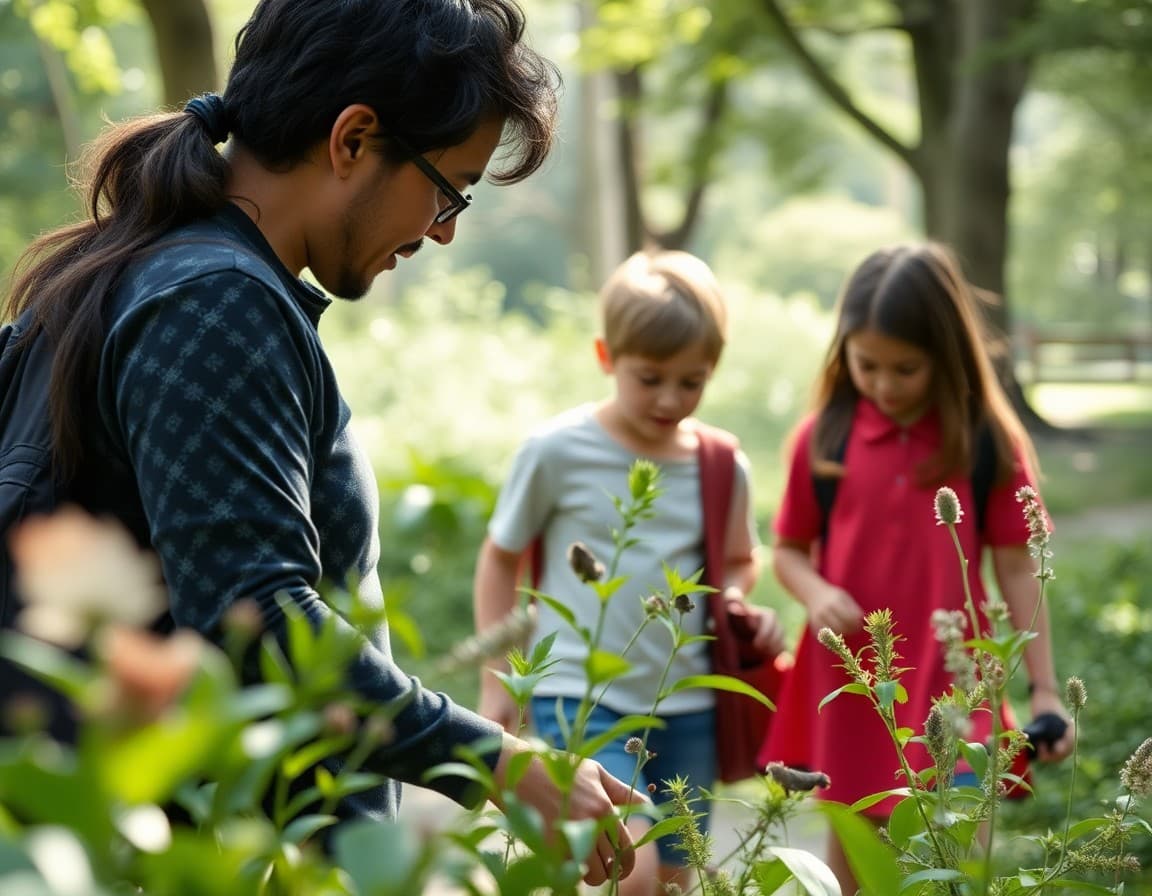
Ecosystems bring science out of the textbook and into the real world. A park, a field behind the school, a pond in the neighborhood: these are all ecosystems students can observe directly. A newsletter that helps families see their local environment as a living system turns the unit from abstract to immediate.
What an Ecosystem Is
An ecosystem includes all the living and nonliving things in an area and the relationships between them. The living components are called biotic: plants, animals, fungi, bacteria. The nonliving components are called abiotic: water, sunlight, temperature, soil, air. Every ecosystem has both, and every organism in it depends on the others in ways that are often more interconnected than they first appear.
Key Vocabulary for the Unit
Families who know the vocabulary can understand homework and ask useful questions. Biotic: living things in an ecosystem. Abiotic: nonliving things. Producer: an organism that makes its own food (plants). Consumer: an organism that eats other organisms. Decomposer: an organism that breaks down dead matter (fungi, bacteria). Food chain: a sequence showing who eats whom. Food web: multiple overlapping food chains. Habitat: the specific environment where an organism lives. These terms come up in every assignment and discussion.
Food Chains and Food Webs
A food chain is a simple sequence: grass is eaten by a rabbit, which is eaten by a fox. A food web shows how multiple food chains overlap, which is closer to how real ecosystems work. The key insight is that every link in the chain matters. If rabbits disappear, foxes have less food. If grass disappears, everything that eats plants is affected. This interdependence is the central concept of the unit.
What Happens When One Part Changes
Ecosystems are dynamic. Removing a predator, introducing a new species, changing the water supply: any of these can ripple through the entire system. Your newsletter can introduce this idea with a local example. If deer in your region overpopulate, they eat more vegetation than usual, which affects the insects that live in that vegetation, which affects the birds that eat those insects. Cause and effect across species is something families can observe and discuss.
A Home Activity That Works Anywhere
Ask families to take a 10-minute walk outside and make two lists: five biotic things and five abiotic things they observe. Then ask their child: pick one living thing and describe how it depends on both something biotic and something abiotic in the same ecosystem. A tree depends on sunlight (abiotic) and decomposers in the soil (biotic). That exercise takes the unit concepts and applies them to something real and local.
Sample Newsletter Excerpt
Try this: "This month we are studying ecosystems. An ecosystem is all the living and nonliving things in an area and how they interact. This week we are building food webs and exploring what happens when one part of an ecosystem is disrupted. At home, take a short walk outside and look for one food chain you can trace: something being eaten by something else. Even a bird eating a worm counts. Ask your child to name the producer, the consumer, and what each one needs from the nonliving environment to survive."
Connecting to Environmental Awareness
The ecosystems unit often sparks genuine environmental curiosity in students. They start noticing the natural world differently: watching where birds hunt, noticing which plants attract insects, asking about what happens when a forest is cut down. Your newsletter can encourage families to talk about these observations: "If your child starts asking why we should protect certain habitats, that's the ecosystems unit at work. Those are good conversations to have."
Sending the Unit Newsletter to All Families
Daystage makes it easy to add a photo from a classroom nature observation or a local ecosystem image to your newsletter and send it to every family. A visual of the kind of observation you are doing in class makes the unit feel tangible. Write your ecosystems update, add a photo, and send. Families who know what is coming are more prepared to support it.
Get one newsletter idea every week.
Free. For teachers. No spam.
Frequently asked questions
What should an ecosystems unit newsletter cover?
Explain what an ecosystem is, the difference between biotic and abiotic factors, how food chains and food webs work, and how changes to one part of an ecosystem affect everything else. Include vocabulary and at least one home activity.
How do I explain an ecosystem to parents simply?
An ecosystem is all the living and nonliving things in an area and how they interact with each other. A pond, a forest, a backyard, and even a puddle can be an ecosystem. The living things (plants, animals, bacteria) are biotic. The nonliving things (water, sunlight, soil, air) are abiotic. Both are essential.
What vocabulary should I include in the ecosystems newsletter?
Ecosystem, biotic, abiotic, producer, consumer, decomposer, food chain, food web, predator, prey, and habitat are the key terms. For upper grades, add trophic level, niche, and carrying capacity. Definitions in plain language are all families need.
What home activities connect to the ecosystems unit?
A backyard or park visit to identify biotic and abiotic factors is the simplest and most effective activity. Ask students to list five living things and five nonliving things they observe, then describe how two of the living things interact. That mirrors exactly what the unit covers.
What tool do teachers use to send science unit newsletters?
Daystage is a classroom newsletter platform that makes it easy to send formatted updates with photos and activities. Teachers use it to share unit newsletters at the start of each science topic, giving families context before homework arrives.

Adi Ackerman
Author
Adi Ackerman is a former classroom teacher and curriculum writer with 8 years in K-8 schools. She writes about school communication, parent engagement, and what actually works in real classrooms.
More for Classroom Teachers
Newsletter for Your Photosynthesis Unit: Helping Parents Support Science Learning
Classroom Teachers · 6 min read
Newsletter for Your Food Webs Unit: Connecting Science to the Dinner Table
Classroom Teachers · 6 min read
Newsletter for Your Animal Adaptations Unit: Fun Ways to Explore at Home
Classroom Teachers · 6 min read
Ready to send your first newsletter?
3 newsletters free. No credit card. First one ready in under 5 minutes.
Get started free