
1st Grade Social Studies Newsletter: Connecting Classroom Learning to Family and Community
First grade social studies is built around the world students already know: their family, their neighborhood, their school, and the people who make those places work. That connection to real life makes social studies one of the easiest subjects to extend into the home, if parents know how.
A social studies unit newsletter does not just inform parents. It invites them into the learning.
What First Graders Study in Social Studies
Most 1st grade social studies programs cover these areas across the year:
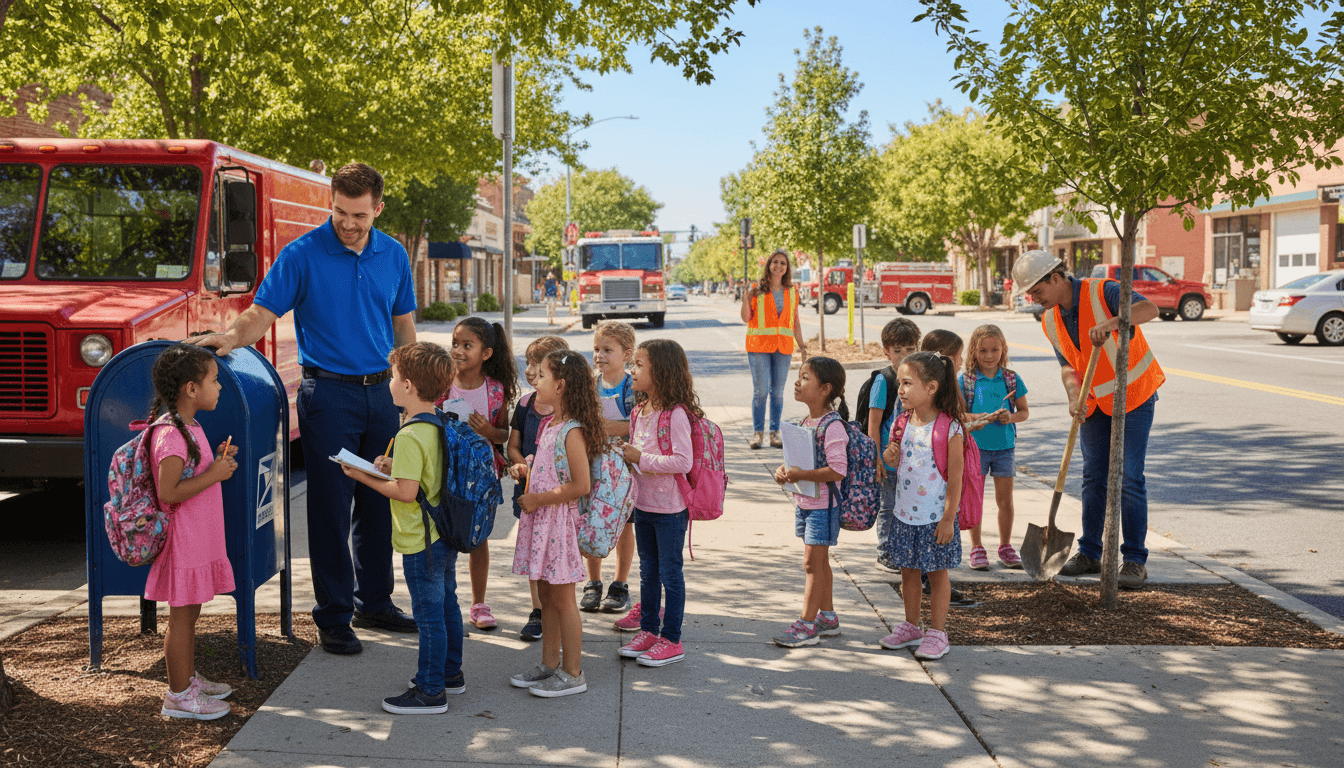
- Community helpers: who they are, what they do, and why communities need them
- Maps and geography: reading simple maps, understanding direction and location
- Families and cultures: how families are alike and different across the world
- Rules and responsibilities: why communities have rules and what citizenship means
- Time and history: basic concepts of past, present, and change over time
Your newsletter should open with the current unit and a one-sentence explanation of why it matters. Parents are more engaged when they understand the purpose, not just the topic.
Connecting to Family Backgrounds Without Putting Anyone on the Spot
Social studies in first grade often touches on family traditions, home languages, and cultural practices. This is a strength of the subject: it values what students bring from home. But it requires care.
Invite family participation rather than requiring it. Let families know what the class is exploring and offer an open door: "If your family has a tradition, a recipe, a song, or a story connected to this topic that you'd like to share with the class, we would love to include it." Then leave it entirely optional.
Students whose families engage will feel proud. Students whose families do not will not feel left out if the invitation was framed as a bonus rather than an assignment.
Map Skills: What to Tell Parents
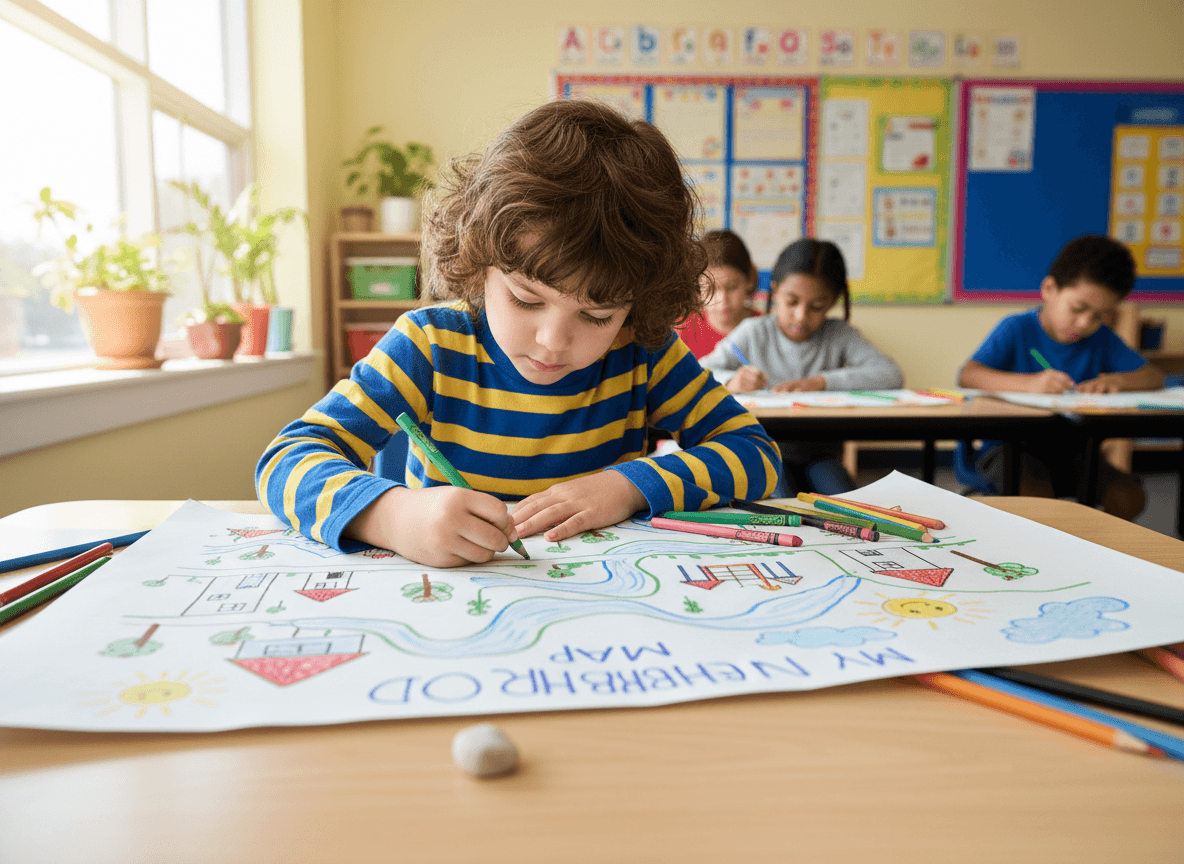
First grade map work is usually limited to maps of familiar spaces: the classroom, the school building, the neighborhood. Students learn concepts like "near" and "far," "north" and "south," and how to read a simple key or legend.
Give parents a quick at-home activity: "This week, try drawing a simple map of your home with your child. Ask them to show where the kitchen and their bedroom are. There is no right or wrong answer. The goal is to practice thinking about space from above." This gives families something concrete to do that is directly connected to classroom work.
Community Helpers: At-Home Conversation Starters
Community helpers is the topic that most naturally extends beyond the classroom. Include two or three conversation starters that parents can use on a drive, at dinner, or on a walk:
- "When we pass the fire station, what do you think is happening inside right now?"
- "Who helped our family this week that we might not have noticed?"
- "What would happen to our neighborhood if there were no rules?"
These prompts cost nothing and take two minutes. They also send a signal to students that what they learn at school matters outside of it.
Simple Project Expectations
First grade social studies projects should be doable without a trip to the craft store. When you describe a project in your newsletter, include: what the finished product should look like, what materials are needed (keep it to things most families have at home), how much time the child should spend on it, and whether parental help is expected or if the child should work independently.
A project description like, "Students will draw a picture of one community helper and write one sentence about their job. This should take about 15 minutes at home. Your child can use paper and crayons you already have," sets clear expectations without creating anxiety.
Families and Cultures: Staying Inclusive
When your class studies families and cultures, your newsletter should reflect the range of family structures represented in your room. Use language that includes: "Families come in many forms. Some have two parents, some have one, some have grandparents or guardians. All of them are what we study when we study families."
This matters more than many teachers realize. Students whose families look different from the default image of "family" in a textbook notice when the newsletter does not include them. A few thoughtful words tell those students and their families that they belong.
Rules and Responsibilities: The Civic Connection
When you teach rules and responsibilities in school, it maps directly onto what students experience at home. Invite parents to make the connection explicitly: "This week, your child is learning why communities need rules. Ask them to tell you one rule they have at school and one they have at home, and why they think each rule exists."
These conversations build civic understanding at the level of a six-year-old, which is exactly the right place to start.
Get one newsletter idea every week.
Free. For teachers. No spam.
Frequently asked questions
What do first graders study in social studies?
First grade social studies typically covers community helpers and their roles, basic map skills (understanding maps of the classroom, school, and neighborhood), families and cultural traditions, rules and responsibilities in communities, and concepts of past, present, and future. The content is designed to connect abstract civic concepts to students' immediate, real-world experiences.
How do I connect social studies to students' family backgrounds without putting anyone on the spot?
Use open invitations rather than assignments. A prompt like 'If you'd like to share a family tradition or cultural practice with the class, we would love to include it' gives families agency. Do not require family sharing. Some families are private, some come from backgrounds where sharing culture with a school feels unfamiliar or uncomfortable, and some students have complicated family situations. Make participation a gift, not a requirement.
What conversation starters can I give first grade parents for social studies topics?
Simple questions work best: 'What does our mail carrier do every day?', 'Can you show me where our neighborhood is on this map?', 'What is a rule in our house that helps our family get along?', or 'What is one thing your family does that you have never seen anyone else do?' These questions are open-ended, connect directly to 1st grade standards, and naturally draw on family knowledge without requiring any prep.
How do I explain simple project expectations to families?
Be specific about the task, the materials, how long it should take, and what the finished product should look like. First grade projects should never require a trip to the craft store. If the project needs materials from home, list exactly what is needed. If a parent's help is expected, say so clearly. If the child should do it independently, say that too. Ambiguity about projects creates anxiety for families and inconsistent results in the classroom.
What newsletter tool works best for first grade social studies communication?
Daystage works well for social studies newsletters because you can mix photos, conversation starters, and project details in a clean, readable format. If you have photos from a community walk or a classroom map activity, adding them to the newsletter gives parents a concrete picture of what their child is experiencing. It also makes sharing to a school website or parent group simple with one link.

Adi Ackerman
Author
Adi Ackerman is a former classroom teacher and curriculum writer with 8 years in K-8 schools. She writes about school communication, parent engagement, and what actually works in real classrooms.
More for Classroom Teachers
1st Grade Science Unit Newsletter: How to Bring Parents Into Hands-On Learning
Classroom Teachers · 5 min read
1st Grade Classroom Rules Newsletter: How to Communicate Expectations to Parents
Classroom Teachers · 5 min read
1st Grade Supply List Newsletter: What to Tell Parents Before the First Day
Classroom Teachers · 5 min read
Ready to send your first newsletter?
3 newsletters free. No credit card. First one ready in under 5 minutes.
Get started free