
Farm Field Trip Newsletter for Teachers: Logistics and Learning
Farm field trips are popular for early elementary grades and science units on plants, animals, and food systems. They also come with specific logistics that other field trips do not: animal contact, outdoor terrain, allergen exposure, and clothing that will definitely not stay clean. A thorough newsletter handles all of it before families have to ask.
Announce the Basics Early
Date, departure time, return estimate, and farm name. "We are visiting Sunridge Family Farm on Friday, September 19th. We leave school at 9:00 AM and expect to return by 1:30 PM. Regular dismissal applies." Give the farm's name so families who want to look it up can. If your school uses a specific booking or permission slip system, reference it here with the due date.
Describe the Farm Program
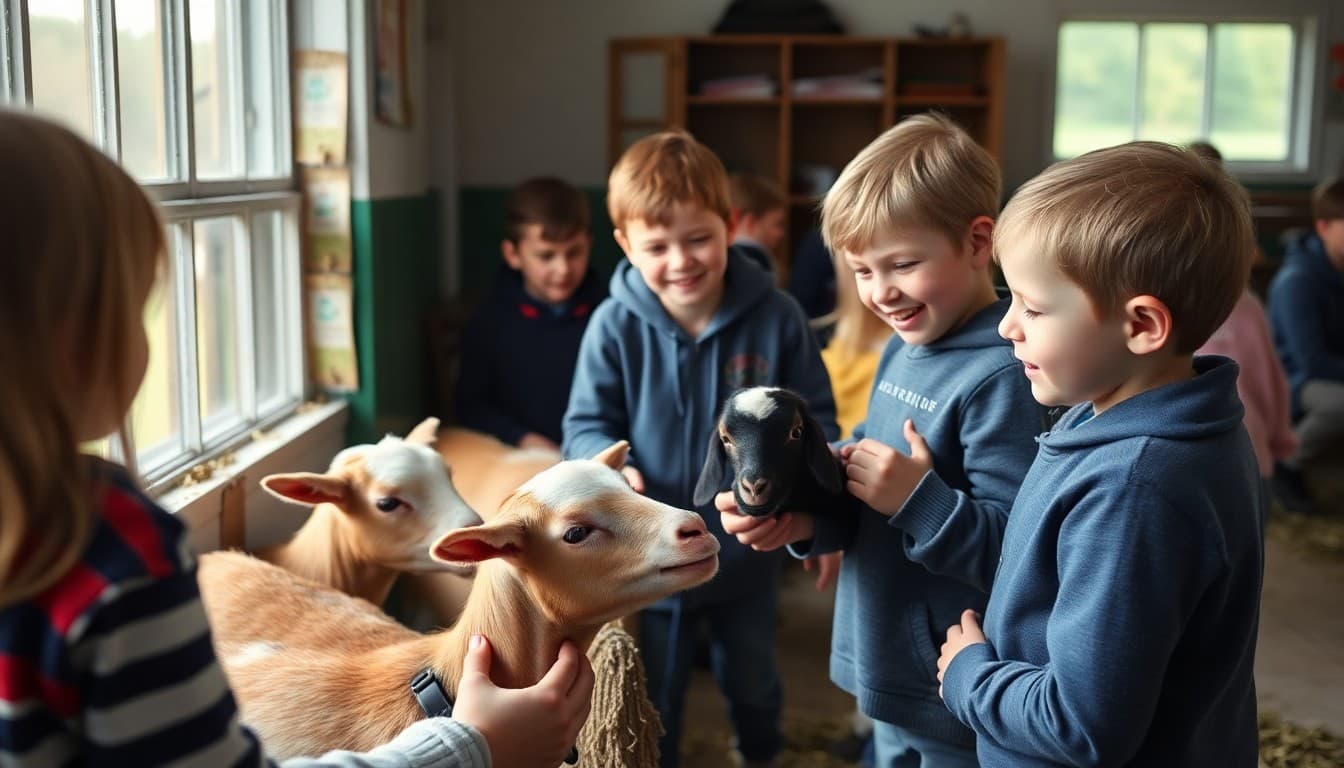
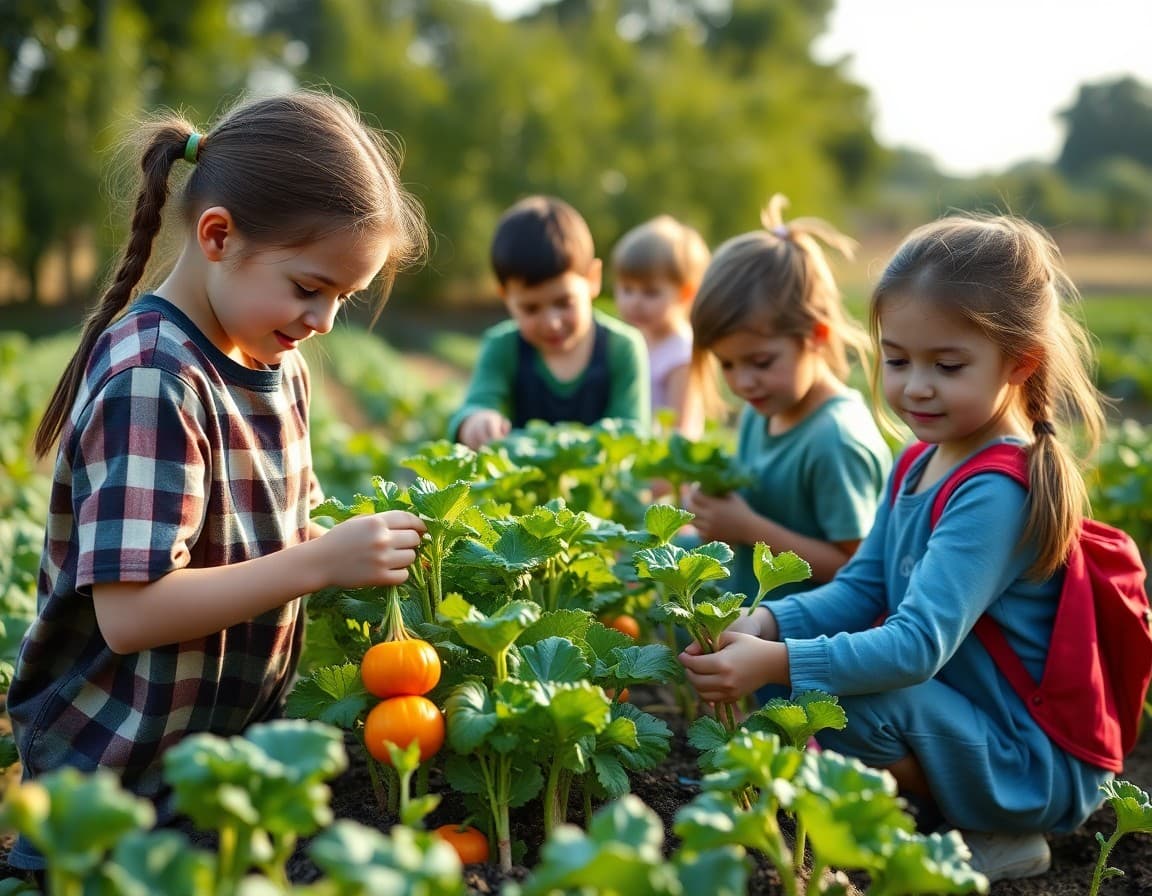
Tell families what students will actually do, not just that they are going to a farm. "Students will rotate through four stations: animal care (feeding and brushing goats and chickens), plant identification in the garden, seed-to-harvest demonstration with the farm educator, and a hayride through the fields." That kind of detail builds anticipation and helps families talk to their child about it before and after the trip.
Connect It to Your Curriculum
A sentence is enough. "This trip connects directly to our life cycles unit. Students will observe animal behavior, identify plant growth stages, and see how food production works from seed to table." Families who see the curriculum connection understand this is academic time, not just a fun day. That matters for families who worry about lost instructional time.
Clothing Guidance
Be honest. "Students will be outdoors on a working farm. They will be near animals. Their clothes and shoes will likely get dirty. Please dress them in old, comfortable clothes and closed-toe shoes. Rain boots are fine if they fit well. No sandals, open-toed shoes, or good sneakers." The reason most farm trip clothing disasters happen is that teachers hedge too much on this. Say it plainly: things will get dirty.
Animal and Allergen Safety
Farms involve hay, animals, and outdoor allergens. Ask families to notify you before the trip if their child has allergies to animals, hay, or related outdoor triggers. Remind them that required medications should come with the student per your school's medication policy. "If your child has a bee sting allergy or any animal allergy, please email me by [date] and confirm their medication is up to date with the school nurse." Clear and actionable.
Lunch and Spending
If students bring a bag lunch, say so clearly, including whether there is a covered space to eat or whether they will eat outside. If the farm has a small store or market, address spending expectations the same way you would for any field trip. "Students may bring up to $5 for the farm stand if they choose. This is optional." If your school covers all costs, say that too.
Post-Trip Learning
Close by telling families what happens after the trip. "When we return, students will complete a farm journal entry connecting what they observed to our life cycles unit. If your child wants to keep talking about what they saw, ask them about one animal they observed and one thing that surprised them." That gives families a post-trip conversation starter and signals that the learning does not end when the bus pulls back in.
Get one newsletter idea every week.
Free. For teachers. No spam.
Frequently asked questions
What should a farm field trip newsletter include?
Trip date and timing, what the farm program covers, what to wear and bring for outdoor and animal contact environments, any allergy or animal-contact health notes, the curriculum connection to your current science or social studies unit, and what students will bring back or complete as follow-up.
How should I address animal allergies in a farm trip newsletter?
Ask families to let you know about any allergies to farm animals, hay, or outdoor allergens before the trip. Remind them that students with known animal or hay allergies should come with any required medication per school policy. This prompt prevents both forgotten medication and the day-of surprise of a student who cannot participate.
What should students wear to a farm field trip?
Old clothes that can get dirty, closed-toe shoes, and layers appropriate for the forecast. Stress that they will be around animals and outdoor terrain. Parents who send kids in clean white shirts and good sneakers will be unhappy. Being explicit prevents it.
How do I connect the farm trip to my curriculum in the newsletter?
Name the specific unit. 'We are finishing our plant and animal life cycles unit. The farm will show students how those cycles work in a real food production context.' One sentence is enough. Families do not need a lesson plan, just a clear connection that shows the trip is educational.
How does Daystage help with farm field trip newsletters?
Daystage lets you build a newsletter with a gear checklist, medical note prompt, and curriculum connection block so families get all the practical details in one readable place rather than scattered across multiple notes.

Adi Ackerman
Author
Adi Ackerman is a former classroom teacher and curriculum writer with 8 years in K-8 schools. She writes about school communication, parent engagement, and what actually works in real classrooms.
More for Classroom Teachers
Ready to send your first newsletter?
3 newsletters free. No credit card. First one ready in under 5 minutes.
Get started free