
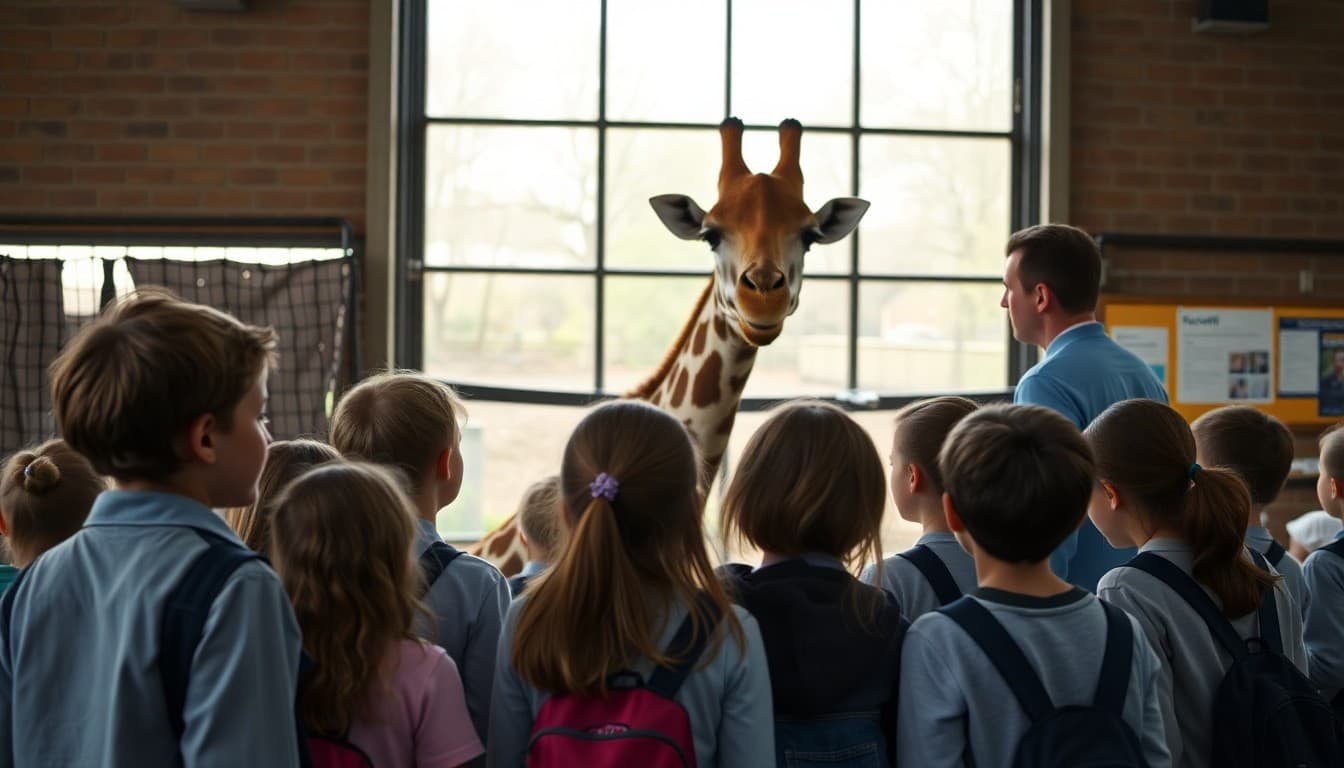
Zoo Field Trip Newsletter for Teachers: A Complete Guide

Zoo field trips are among the most logistically complex school outings. Large grounds, a lot of walking, outdoor weather exposure, food and spending considerations, and the ever-present gift shop negotiation all require clear communication before the trip. Your newsletter handles this so families arrive prepared and you spend the day teaching, not answering the same questions over and over.
The Essential Logistics
Date, departure and return times, and transportation details. "We will visit the Metro Zoo on Thursday, May 8th. Buses depart at 8:30 AM and we aim to return by 3:00 PM. Dismissal will be at the regular time." If students take a bus, say so. If families are driving, give pickup and drop-off location details. If transportation affects the cost, include it here. Families planning their work day need this information first.
Curriculum Connection
Name the unit and the specific content connection. "We are in the middle of our animal adaptations unit in science. At the zoo, students will use a field guide we create in class to identify and document adaptations in at least five different animals." When families know the purpose, they can review vocabulary at home, ask targeted questions after the trip, and understand why you are spending a full day off campus.
What to Wear and Bring
Comfortable, closed-toe shoes suitable for a lot of walking. A water bottle that will fit in a bag. Weather-appropriate layers. A bag lunch unless the zoo cafeteria is being used, and note that cafeteria food is expensive and the lines are long, which is worth saying plainly if it is true. A charged phone or permission slip if students carry them. Keep the list short. Overloaded packing lists get ignored.
The Gift Shop Conversation
Be explicit. "The zoo has a gift shop. If you would like your child to be able to make a purchase, send no more than $10 in cash. There is no obligation to buy anything, and students who do not have money will not be separated from the group or made to feel different." If your school covers the entrance fee but not the shop, say so. If families should send nothing, say that too. Ambiguity here creates real friction on the day.
Behavior Expectations
The zoo is a public space with other visitors. A line or two about staying with the group, following zoo rules about not feeding animals, and being respectful of other visitors is worth including. "Students know our field trip agreement. We stay with our group, follow zoo guidelines, and treat animals and other zoo visitors with respect." Brief, direct, and it reminds students that behavior on a trip reflects on the whole class.
Chaperone Information
If you need chaperones, describe the role accurately. Walking several miles over five hours on uneven terrain is the reality of chaperoning a zoo trip. Chaperones who know what they are signing up for are better prepared than those who thought it would be a leisurely stroll. Give the deadline and the process for signing up. List any credential requirements your district has for field trip volunteers.
Post-Trip Follow-Up
Tell families what students will do with the experience when they return. "Students will complete an animal adaptations field guide based on their zoo observations. They should be prepared to discuss two animals and the specific adaptations they noticed." That framing positions the zoo trip as the start of a learning process, not the end of it.
Get one newsletter idea every week.
Free. For teachers. No spam.
Frequently asked questions
What should a zoo field trip newsletter include?
Trip date and schedule, what section of the zoo or which program students will focus on, what to wear and bring, the curriculum connection, food and spending information, chaperone details if applicable, and a note on staying together and following zoo behavior expectations.
Should I give families a list of exhibits to visit at the zoo?
Yes, if you have a planned route or focus areas, share them. 'We will spend most of our time in the African savanna habitat and reptile house, which connect to our ecosystems unit' is more useful than a general 'we are visiting the zoo.' It also helps families ask targeted questions when students come home.
What are the most common zoo field trip newsletter mistakes?
Not addressing the gift shop question, not being specific about food, not mentioning bathroom frequency for younger students, and not telling families what the pickup and dismissal situation will be at the end of the day.
How do I manage spending expectations for a zoo trip?
Be direct. Either say 'no spending money needed, all costs are covered' or 'students may bring up to $X for the gift shop. This is optional and no student will be required to make a purchase.' Both work. Ambiguity creates awkward situations at the gift shop.
How does Daystage help with zoo trip newsletters?
Daystage lets you send a formatted newsletter with a schedule block, gear checklist, and photo from a prior visit so families get a complete, visually clear picture of what to expect and how to prepare their child.

Adi Ackerman
Author
Adi Ackerman is a former classroom teacher and curriculum writer with 8 years in K-8 schools. She writes about school communication, parent engagement, and what actually works in real classrooms.
More for Classroom Teachers
Ready to send your first newsletter?
3 newsletters free. No credit card. First one ready in under 5 minutes.
Get started free