

Nature Center Field Trip Newsletter: Teacher Communication Guide
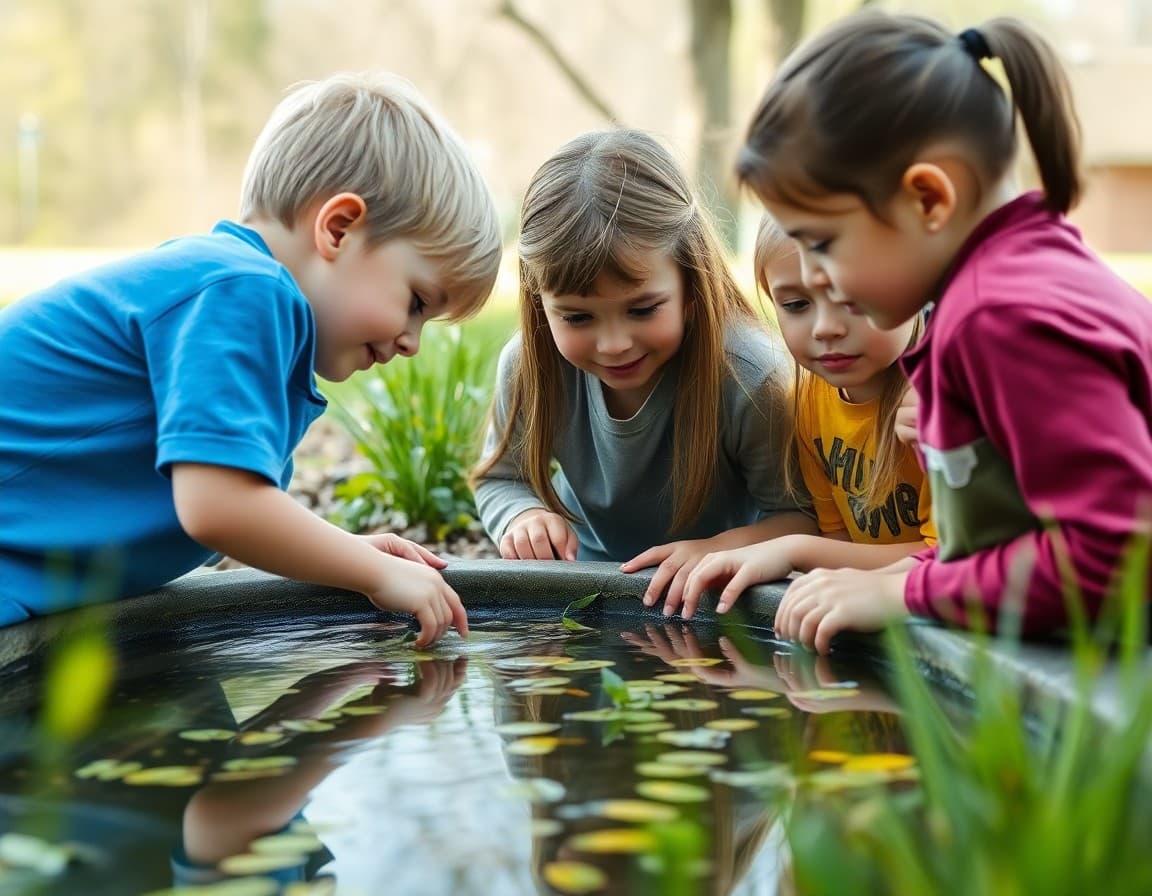
A nature center field trip requires more logistical communication than an indoor museum visit. Outdoor conditions vary, appropriate clothing matters, and students with allergies or physical needs require specific preparation. A thorough newsletter sent two weeks before the trip handles all of this before families have to ask.
Date, Time, and Return Window
Give the date, departure time, and the latest expected return time. "We are visiting Ridgeline Nature Center on Thursday, April 24th. We will depart at 8:45 AM and aim to return by 2:30 PM. Please plan for standard dismissal time." Always include a return buffer. Outdoor programs sometimes run slightly long due to weather or programming adjustments, and families who expect you back at exactly 2:00 will be calling the office at 2:05.
What the Program Covers
Describe the actual program, not just the location. "Our program at the nature center is called 'Watershed Detectives.' Students will test water samples, identify local plants, and map a stream ecosystem. This connects directly to our current unit on water cycles and freshwater habitats." When families know the content, they can review relevant vocabulary with their child before the trip and ask specific follow-up questions afterward.
What to Wear
Outdoor trips require clear clothing guidance because a child in dress shoes or a light t-shirt in 50-degree weather will be miserable and distracted. "Closed-toe shoes with grip, no sandals or rain boots without ankle support. Dress in layers for temperatures between 45 and 65 degrees. A light waterproof jacket if your family has one. Clothing may get muddy." That last sentence is important. Families who expect clean clothes back may be frustrated otherwise. Setting expectations prevents it.
What to Bring
A water bottle with a secure lid. A bag lunch if applicable. Any daily medication. An extra pair of socks is worth suggesting for any trip involving streams or wet ground. If students have a science journal or notebook, tell them whether to bring it. Keep the list short and specific. A list of twelve items overwhelms families. A list of five gets packed.
Allergy and Medical Preparation
Outdoor environments introduce specific risks: bee stings, plant contact, sun exposure. Ask families to notify you of any relevant allergies or medical conditions before the trip. Remind them that students with prescribed medications should come with those medications per your school's policy. A brief note here protects students and gives families a clear prompt to act on.
Chaperone Needs and Physical Expectations
If you need chaperones, describe the physical reality honestly. "Chaperones will walk approximately two miles on uneven terrain over three hours. Please only sign up if you are comfortable with sustained outdoor walking." That saves everyone from an awkward situation where a chaperone arrives in dress shoes unable to manage the trail.
Post-Trip Connection to Classroom Learning
Tell families what happens after the trip. "Following the nature center visit, students will complete a field journal entry describing one ecosystem they observed and one question it raised for them." This makes the trip academic rather than recreational in the eyes of families who wonder about the educational value of outdoor programming. It also gives students a purpose during the trip beyond just being there.
Get one newsletter idea every week.
Free. For teachers. No spam.
Frequently asked questions
What should a nature center field trip newsletter include?
Trip date and timing, what to wear for outdoor conditions, what the nature center program covers and how it connects to your science curriculum, what students need to bring including water and appropriate footwear, and any allergy or safety considerations.
How do I prepare families for unpredictable outdoor conditions?
Tell them to dress in layers and check the forecast the morning of the trip. Give a clothing guideline that works across a range of temperatures. 'Closed-toe shoes, layers appropriate for 50-65 degrees, and a light rain jacket just in case' covers most scenarios without being overly prescriptive.
What if a student has insect allergies or other outdoor concerns?
Ask families to notify you in advance of any allergies or medical needs specific to outdoor environments. Mention that students with bee allergies or other relevant conditions should come with any required medication per school policy. This prompt prevents the day-of scramble.
How do I explain the educational value of a nature center trip to skeptical families?
Be specific about the science connection. 'Students will observe and document three local ecosystems on this trip, which directly connects to our current unit on habitats and adaptation' is far more persuasive than 'it will be educational.' Specificity earns trust.
Can Daystage help me send a detailed outdoor field trip newsletter?
Yes. Daystage lets you format a nature trip newsletter with a gear checklist, curriculum connection section, and logistics block so families get everything they need in one clear send.

Adi Ackerman
Author
Adi Ackerman is a former classroom teacher and curriculum writer with 8 years in K-8 schools. She writes about school communication, parent engagement, and what actually works in real classrooms.
More for Classroom Teachers
Ready to send your first newsletter?
3 newsletters free. No credit card. First one ready in under 5 minutes.
Get started free