
How to Write an Earth Day Classroom Newsletter to Parents
Earth Day newsletters are easy to write and easy to write badly. The versions that do not work are the ones that say "we talked about the environment today" and stop there. The versions that work connect what happened in your classroom to specific actions families can take, give students a way to be part of the solution rather than just aware of the problem, and make the whole family feel like they are part of something that matters.
Describe your classroom Earth Day learning specifically
Tell families exactly what you explored. "We spent time this week learning about the water cycle and why freshwater conservation matters. Students mapped the journey of a raindrop and calculated how much water different daily activities use." That level of specificity gives families a conversation starter and tells them what their student has actually been thinking about.
Share what students learned about their impact
Earth Day learning that connects to students' own lives is more effective than abstract environmental science. "Students discovered that the average American household wastes about 180 gallons of water per week through small daily habits. They designed a 'home water audit' and many of them want to try it at home." Sharing the student angle of the learning invites families to participate in it.
Give families one or two specific actions
The most useful part of an Earth Day newsletter is the action section. Do not give families a ten-point plan. Give them one or two things they can actually do this week. "This week, try checking that your faucets do not drip and turning off the water while brushing teeth. These two habits together save about eight gallons of water per day per household." Specific, measurable, and doable tonight.
Connect to something students are already doing
If your class has an ongoing project related to sustainability, tell families about it. "We started a classroom compost bin last month and students are learning what decomposes and why. If your family wants to start composting at home, here is a beginner's guide." Linking the home action to something the student already cares about at school creates the best follow-through.
Frame it as agency, not alarm
Environmental problems are real and significant. But classroom and family communication about them should focus on what is possible rather than what is catastrophic. "Students talked about things they can genuinely change, from reducing plastic use to making different choices about water and energy. Their ideas were practical and surprisingly creative." This framing produces engaged families rather than overwhelmed ones.
Point to grade-appropriate resources
A short list of books, videos, or activities that families can explore at home extends the learning beyond school. "If your student wants to go deeper on any of these topics, here are a few resources I recommend for this age." One book, one video, one interactive website. Enough to be useful, not so much it is ignored.
Celebrate student ideas and questions
Close with a student voice moment. Something a student said or asked that captured the spirit of the week. "One student asked whether we could make every day Earth Day if we just decided to. We spent the last ten minutes of class talking about that. It was one of the best conversations we have had all year." This kind of closing makes families want to ask their student about school, which is the best outcome any newsletter can achieve.
Daystage makes it easy to include photos from your classroom Earth Day activities, linked resources, and a home action guide all in one well-organized send that families will save rather than skim.
Get one newsletter idea every week.
Free. For teachers. No spam.
Frequently asked questions
What should I include in an Earth Day classroom newsletter?
What you are doing in class for Earth Day, the concepts students are learning, specific actions families can take at home, age-appropriate resources for further exploration, and any classroom project or service component families should know about.
How do I make an Earth Day newsletter feel actionable rather than just informational?
Include one or two specific, concrete actions families can take this week. 'Turn off the faucet while brushing teeth' is more actionable than 'conserve water.' 'Walk or bike to school on April 22 if you are able' is more actionable than 'reduce your carbon footprint.' Specific beats general.
How do I teach about environmental issues without alarming younger students?
Focus on agency and action rather than crisis. 'There are problems that need solving and here is how we can be part of the solution' is more constructive than describing environmental catastrophe. Your newsletter can model this framing for families so they have the same conversations at home.
What Earth Day activities are most effective for classroom engagement?
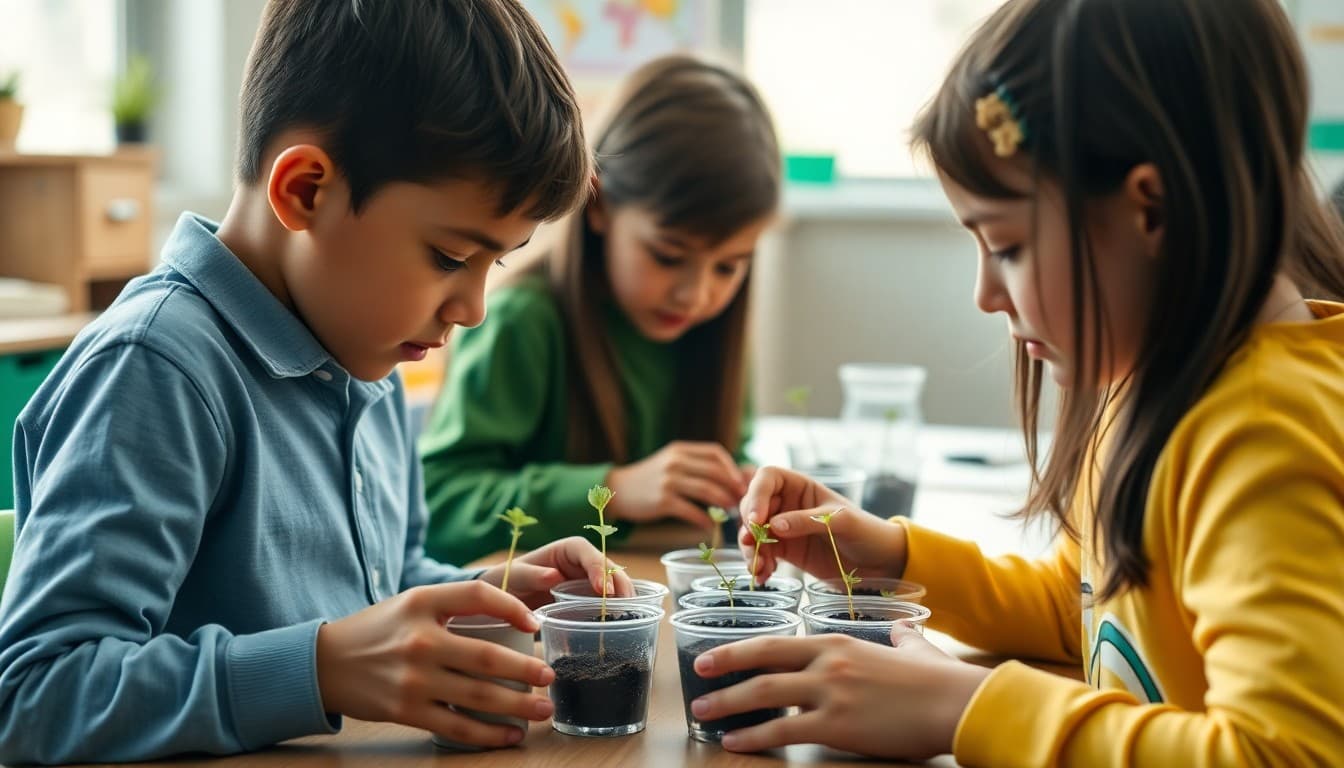
Hands-on activities like planting, school clean-up, recycling projects, and nature observation work better than purely informational ones. Your newsletter can describe what you are doing in class and invite families to extend it at home.
Can Daystage help me include Earth Day activity links and home action guides in my newsletter?
Yes. Daystage lets you embed links, include downloadable activity guides, and attach photos from classroom Earth Day projects all in one newsletter.

Adi Ackerman
Author
Adi Ackerman is a former classroom teacher and curriculum writer with 8 years in K-8 schools. She writes about school communication, parent engagement, and what actually works in real classrooms.
More for Classroom Teachers
Ready to send your first newsletter?
3 newsletters free. No credit card. First one ready in under 5 minutes.
Get started free