
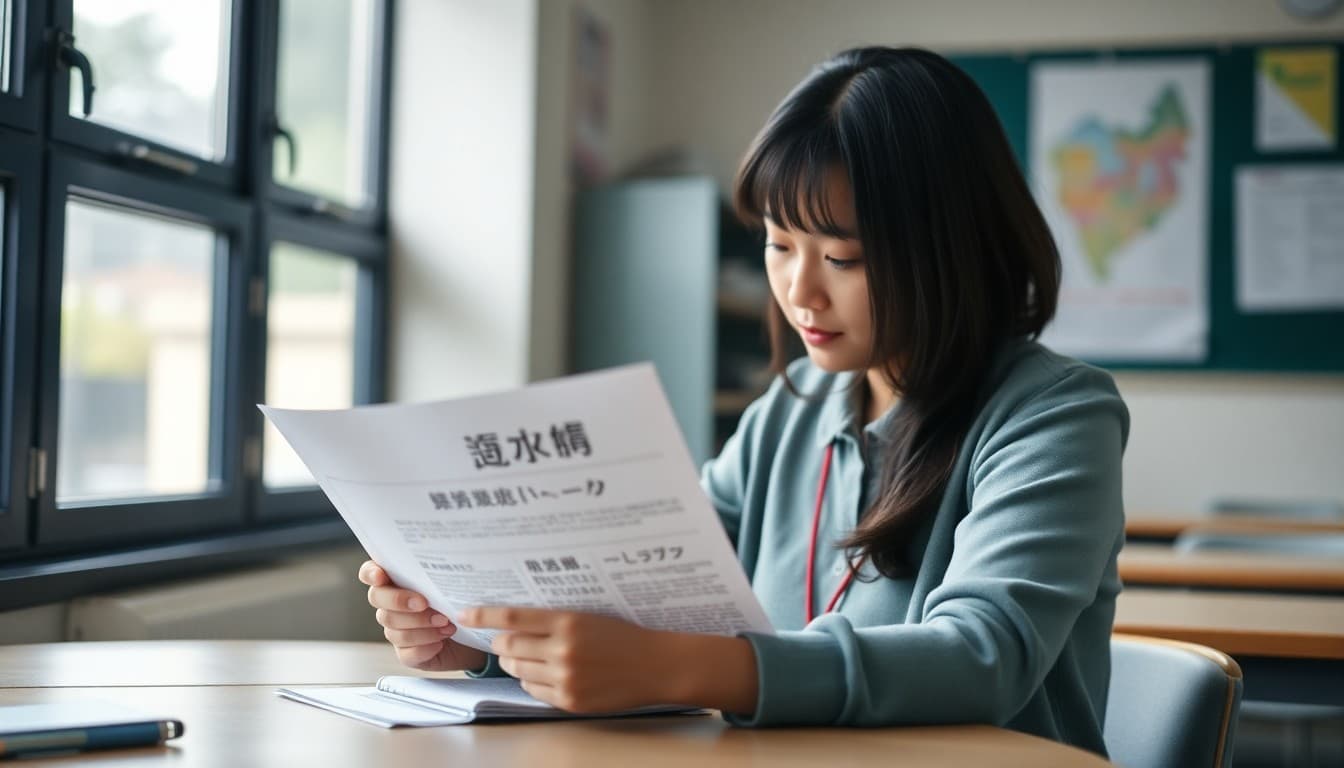
Japanese Immersion School Newsletter for Bilingual Families

Running a Japanese immersion program is a serious commitment for every teacher, parent, and student involved. The newsletter is how you keep that commitment visible. Done well, it reinforces the language at home, explains what is happening in the classroom, and gives non-Japanese-speaking parents a real window into their child's day. Done poorly, it leaves families guessing and the program feeling isolated from the rest of the school community.
Why Japanese Immersion Newsletters Require a Different Approach
Standard school newsletters assume one language. Japanese immersion programs cannot make that assumption. Your families come in three types: native Japanese speakers who want full Japanese content, English-dominant families who enrolled specifically for language exposure, and bilingual households managing both. A single-language newsletter fails two of those three groups every time you send it. The solution is a consistent bilingual structure that gives each family what they need without making anyone feel like an afterthought.
Structure That Works: Japanese First, English Second
Lead with Japanese. Place the Japanese version of every section at the top, followed immediately by the English translation below or beside it. This mirrors the immersion philosophy: Japanese is the primary language of instruction, not a supplement. Families who read Japanese will appreciate the respect. Families who do not will still get everything they need. Use the same layout every month so parents know exactly where to look.
What to Include Each Month
Every issue should cover four areas. First, a vocabulary spotlight: list 5 to 8 words students learned that month with romaji pronunciation, kanji, hiragana, and English meaning. Second, a cultural calendar: upcoming events, whether that is a classroom New Year activity in January or a cherry blossom art project in April. Third, home practice suggestions: specific things parents can do in 10 minutes, like watching a Japanese children's show together or practicing the weekly vocabulary at breakfast. Fourth, program news: schedule changes, supply needs, or milestone announcements like when students reach 100 kanji.
A Template Section You Can Adapt
Here is a sample vocabulary spotlight block you can drop directly into your newsletter:
今月の言葉 / This Month's Words
学校 (gakkou) - school | 友達 (tomodachi) - friend | 先生 (sensei) - teacher | 図書館 (toshokan) - library | 給食 (kyuushoku) - school lunch
Practice tip: Point to things in your home and ask your child the Japanese word. Start with objects you already know from their list. Most families spend about 5 minutes on this before dinner and see real retention gains within two weeks.
Handling Cultural Content Without Stereotypes
Japanese immersion programs often celebrate cultural holidays and traditions. When you write about these events, be specific rather than generic. Explain what Hinamatsuri actually is, why families display dolls, and how students recreated the tradition in class. Vague references to "Japanese culture" without context flatten a rich tradition into decoration. Your newsletter can be a genuine education for families who have no Japanese heritage while being a familiar touchstone for families who do.
Frequency and Delivery Format
Monthly works for most programs, with a shorter mid-month update for time-sensitive information. Email delivery gets the highest open rates, especially if you send on Tuesday or Wednesday mornings before the school week picks up momentum. Include a PDF attachment for families who prefer to print. Keep the email subject line short: "November Japanese Immersion Update" is clear and searchable. Parents archive these newsletters and return to them when helping with homework months later.
Getting Families to Actually Engage
The newsletter stops being useful if it is a one-way broadcast. Add a simple call to action each month. Ask families to send back a photo of their child practicing vocabulary at home, or invite them to share a Japanese word that has come up in family conversation. A short form linked in the email takes 30 seconds to complete. When you feature one family's response in the next issue, engagement climbs noticeably. Twenty families trying to get featured is 20 more homes where Japanese is being practiced.
Translation Quality Matters More Than You Think
Machine translation tools have improved but still produce awkward Japanese in educational contexts. If you are not a native speaker, have a parent volunteer or colleague review the Japanese section before sending. One mistranslated phrase can undermine the credibility of the entire program with Japanese-speaking families who will notice immediately. Even a quick read-through from a fluent speaker takes less than 10 minutes and catches the errors that matter most.
Get one newsletter idea every week.
Free. For teachers. No spam.
Frequently asked questions
How often should a Japanese immersion program send newsletters?
Monthly newsletters work well for most Japanese immersion programs. You can supplement with shorter weekly updates about vocabulary words or cultural topics. Monthly editions give you enough space to share progress updates, upcoming events, and home practice ideas without overwhelming families who are already managing two languages at home.
Should the newsletter be written entirely in Japanese or bilingual?
A bilingual format works best for most families. Place the Japanese version first to reinforce the language-learning environment, then follow with the English translation. This approach respects families who speak Japanese at home while making sure no parent is left out of important school information. Families with strong Japanese skills will appreciate reading the original.
What should a Japanese immersion newsletter include?
Cover vocabulary words students are learning that week, upcoming cultural events like Tanabata or Obon celebrations, home practice suggestions, field trip announcements, and any program updates. A short section explaining a grammar point helps parents support homework. Progress notes on kanji milestones make families feel connected to their child's real achievements.
How do I include parents who do not speak Japanese?
Always include full English translations and avoid assuming any family has Japanese language background. Frame the English section as a window into the classroom, not a backup for people who failed to learn Japanese. Add a short phonetic pronunciation guide for key words so any parent can practice with their child during dinner or bedtime routines.
Is there a tool that makes bilingual newsletter publishing easier?
Daystage is built for exactly this. You can write your newsletter in two language columns, schedule it to send automatically, and track which families opened it. The platform handles formatting so your bilingual layout looks professional on phones and computers without any design work on your part.

Adi Ackerman
Author
Adi Ackerman is a former classroom teacher and curriculum writer with 8 years in K-8 schools. She writes about school communication, parent engagement, and what actually works in real classrooms.
More for Bilingual
Bilingual Classroom Newsletter Tips: What Actually Works for Multilingual Families
Bilingual · 5 min read
Bilingual Community Outreach Newsletter: Reaching Multilingual Families Beyond the School Building
Bilingual · 6 min read
Bilingual Back-to-School Newsletter: Welcoming Multilingual Families at the Start of the Year
Bilingual · 6 min read
Ready to send your first newsletter?
3 newsletters free. No credit card. First one ready in under 5 minutes.
Get started free