
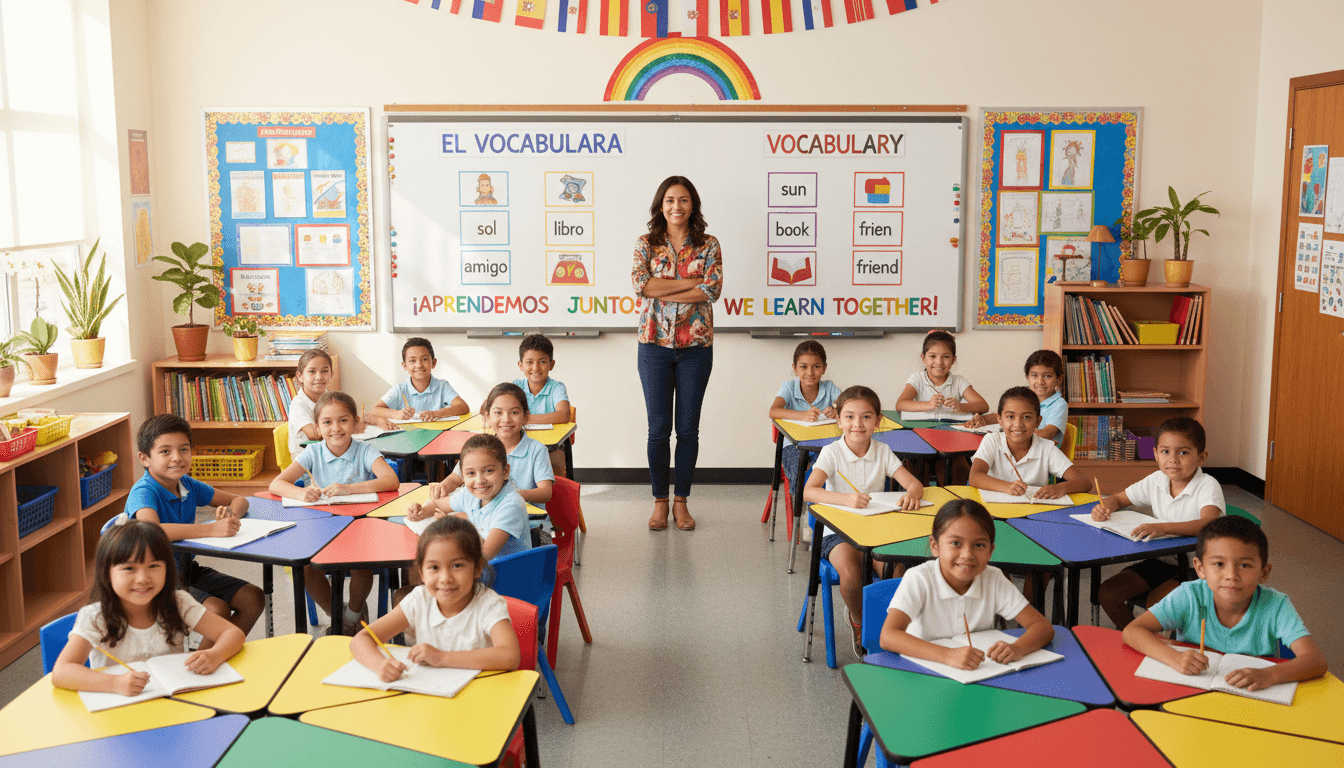
Bilingual Classroom Newsletter Tips: What Actually Works for Multilingual Families
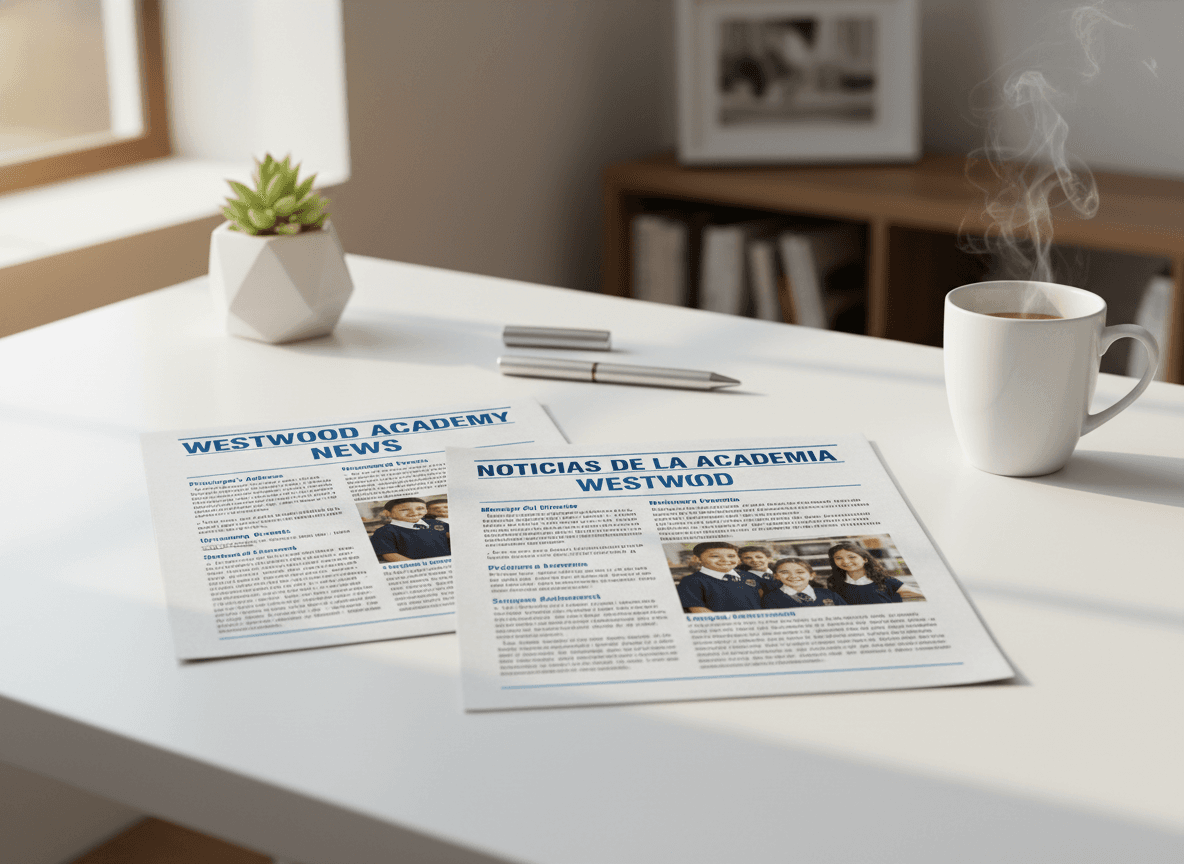
Bilingual and dual-language classrooms have families on both ends of the language spectrum, English-dominant families whose children are learning in two languages, Spanish-dominant families who enrolled specifically so their child would be academically supported in their home language, and families somewhere in between.
A newsletter that serves all of them requires a few deliberate choices. None of them are complicated. All of them matter.
Lead with Language Equity, Not Language Order
In a bilingual newsletter, which language comes first sends a signal. English first, Spanish second tells Spanish-speaking families which community is the primary audience. Some programs address this by alternating, Spanish first one week, English first the next. Others use a true parallel format with no implied hierarchy.
Whatever you choose, be intentional about it. Your Spanish-speaking families will notice, because they notice everything about how their community is treated by the school.
Keep the Two Versions Consistent, Not Identical
A bilingual newsletter is not a word-for-word translation. It is the same communication in two languages, adapted for each audience. This means:
- The same information, dates, and calls to action appear in both sections. A family who reads only one language should not miss something that appeared only in the other.
- The tone may shift slightly between languages to match cultural conventions. Spanish newsletters are typically slightly warmer and more formally courteous than their English counterparts. Both are correct.
- Idioms and culturally specific references should be adapted, not translated. A Halloween reference in the English section might be explained more briefly in the Spanish section for families less familiar with the holiday.
Name the Bilingual Program Explicitly and Often
Families who chose your bilingual program did so deliberately. They want to know that the program they enrolled in is actually being implemented. Name the specific activities that support the bilingual curriculum in your newsletter.
"This week we introduced the Spanish vocabulary for our weather unit. Students practiced using both nublado and cloudy in weather station rotations." This sentence tells families the program is real and their children are using both languages in meaningful ways.
Address the Home Language Directly
Many families in dual-language programs speak Spanish at home and are sending their children to a bilingual school specifically to maintain and develop their home language academically. The newsletter can reinforce that the home language is valued, not just tolerated.
Include occasional Spanish-language activities in the "try this at home" section that are meant for Spanish-dominant families: "Si hablan español en casa, esta semana pueden practicar contando objetos hasta 20 en español. Conecta con lo que hacemos en clase." (If you speak Spanish at home, this week you can practice counting objects to 20 in Spanish. It connects directly to what we're doing in class.)
This single sentence tells Spanish-speaking families that their home language is not a problem to be overcome, it is an asset that the teacher knows how to connect to academic work.
Build a Family Language Map
At the start of the year, ask every family two questions: what language they prefer for written communications, and what languages are spoken at home. This gives you the information to make good decisions about your newsletter format and language.
In a bilingual classroom, the answers are often more varied than you expect. You may have families who primarily speak Cantonese at home but prefer English written communications. You may have English-dominant families who enrolled specifically to build their child's Spanish and are actively working on Spanish at home. The map helps you communicate in ways that match how your families actually live.
Use Images That Reflect Both Language Communities
Photos and illustrations in newsletters should reflect the diversity of your classroom and your families. A newsletter that consistently features images from one cultural context tells the other community something about who the newsletter is really for.
If you include classroom photos, make sure they represent the actual composition of your class. If you use stock images or illustrations, choose ones that reflect cultural diversity. This is a small detail that registers with families even when they cannot articulate exactly why.
Make the Upcoming Events Section Language-Proof
Dates, times, and locations should be impossible to miss regardless of which language a family reads. Use a consistent format for the upcoming events section , date, time, location, what to do, and include it in both languages.
Consider using a formatted table for key dates: the visual structure communicates across language barriers. A parent who can only partially read either version can still extract the critical information, when, where, what to bring, from a well-formatted dates block.
Get one newsletter idea every week.
Free. For teachers. No spam.
Frequently asked questions
When should bilingual classroom teachers begin sending dual-language newsletters to families?
Start dual-language communication from day one of the school year to signal that language equity is built into your classroom culture, not added later as an accommodation. Families who receive bilingual communication from the first newsletter are more likely to engage consistently than those who receive it only after raising a concern.
What should a bilingual classroom newsletter include to serve multilingual families well?
Present both language versions with equal visual weight, not as main text and footnote. Include the bilingual program name explicitly in every issue, address home-language literacy practices directly, and use images that reflect both language communities in the classroom. Treating the translation as a secondary afterthought is visible to families and undercuts the message you are trying to send.
How should bilingual teachers handle content that does not translate directly between English and the partner language?
Keep the two language versions consistent in meaning rather than word-for-word identical, since some concepts, idioms, or cultural references require adaptation to land correctly in the partner language. A translated phrase that is grammatically correct but culturally unfamiliar can communicate less effectively than a looser translation that resonates with the community.
What are common challenges with bilingual classroom newsletter communication?
The most common challenge is positioning: when the English version comes first and the translated version appears beneath it, families who speak only the partner language quickly learn that the English content is the 'real' newsletter and their version is secondary. This undermines trust and reduces engagement from the families who most need consistent communication.
How can bilingual teachers build and manage family language preference data for newsletter delivery?
A tool like Daystage lets you collect language preference data during signup and route newsletters to the right subscriber segments automatically. That removes the manual step of maintaining separate lists, which is where most bilingual newsletter programs break down over time.

Adi Ackerman
Author
Adi Ackerman is a former classroom teacher and curriculum writer with 8 years in K-8 schools. She writes about school communication, parent engagement, and what actually works in real classrooms.
More for Bilingual
Multilingual School Orientation Newsletter: Preparing Diverse Families for a Successful School Year
Bilingual · 5 min read
School Newsletter for Turkish-Speaking Families: Connecting with Your Turkish-American Community
Bilingual · 5 min read
Bilingual IEP Communication Newsletter: Supporting Multilingual Families Through the IEP Process
Bilingual · 6 min read
Ready to send your first newsletter?
3 newsletters free. No credit card. First one ready in under 5 minutes.
Get started free