

Bilingual Back-to-School Newsletter: Welcoming Multilingual Families at the Start of the Year
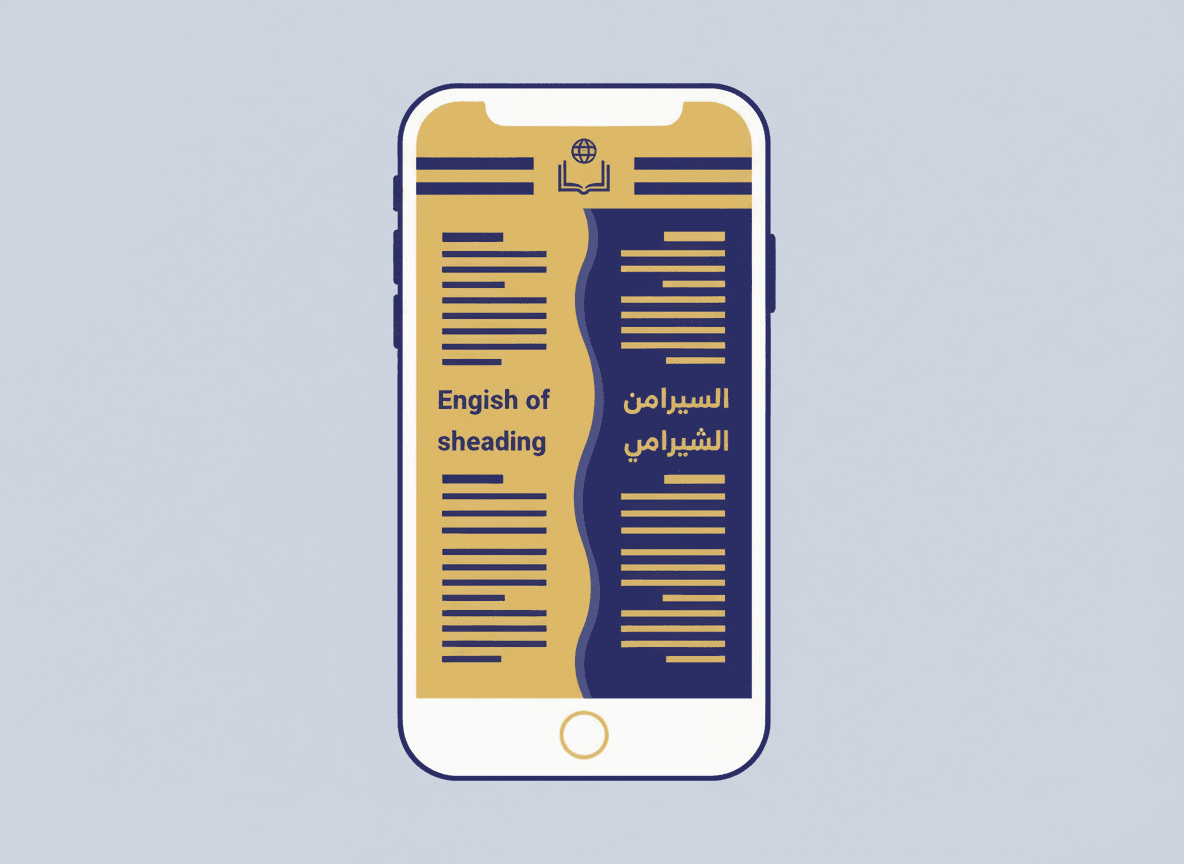
The back-to-school newsletter is the first formal communication multilingual families receive for the school year. For families who are new to the school, it sets every expectation about whether this school sees them and whether they will be able to navigate the year with confidence. For families who have been at the school before, it signals whether anything has changed. Getting this newsletter right, in both content and language, is one of the highest-leverage communication decisions a bilingual school makes each year.
The First Impression Problem
Many multilingual families receive back-to-school communications that are translated versions of the English newsletter, produced quickly at the last minute and sometimes containing errors or formulations that sound awkward in the target language. Families notice the difference. A newsletter that reads fluently in their language communicates something different from a newsletter that is obviously a hurried translation.
The back-to-school newsletter is worth the investment of a skilled translator or bilingual staff member reviewing the final text before distribution. The tone set in the first communication of the year persists for months.
What to Cover in the Back-to-School Bilingual Newsletter
Lead with the human connection. Name the teacher or teachers, share a brief welcoming message in the family's language, and signal immediately that the school has prepared for this family's language needs. Then move through the practical essentials: first day and year-start dates, drop-off and pick-up procedures, lunch and snack logistics, communication channels and how to reach the teacher.
Include explicit information about language access: how to request an interpreter for conferences, who to contact when documents need translation, and how the school handles communication throughout the year for non-English-speaking families. Multilingual families should not have to discover these services on their own.
Orientation Information Specific to Multilingual Families
If the school offers a specific back-to-school orientation for multilingual families, the newsletter should feature it prominently. Families who attend a multilingual orientation receive a dramatically better understanding of the school year ahead than those who only receive a newsletter. The newsletter is the invitation to that event.
Key Policies That Affect Daily Life
Attendance policies, late arrival procedures, communication response time expectations, and emergency contact requirements are all policies that become problems when families do not understand them. The back-to-school newsletter in the family's language, with plain-language explanations of these policies, prevents misunderstandings that otherwise manifest as absences, late pickups, or communication failures.
Tone: Welcome vs. Compliance
A bilingual back-to-school newsletter that reads primarily as a policy document sends a different message than one that opens with genuine warmth and builds the relationship before the rules. Open with the relationship. Multilingual families who feel welcomed become partners in their child's education. Daystage supports building this kind of high-quality bilingual newsletter and delivering it to families on the first day of school, in the language where it makes the intended impression.
Get one newsletter idea every week.
Free. For teachers. No spam.
Frequently asked questions
What should a bilingual back-to-school newsletter cover?
A bilingual back-to-school newsletter should cover school year dates and schedule, classroom or teacher assignment, how to communicate with the school in the family's home language, how to request an interpreter for conferences or meetings, key school policies that affect daily life (drop-off, pick-up, attendance, lunch), upcoming family orientation events, and a warm welcome that names the school's commitment to multilingual families specifically.
How do you make the first newsletter genuinely welcoming rather than just informational?
Genuine welcome in a newsletter sounds different from information delivery. It uses the family's language throughout, not just in a translated section. It acknowledges the experience of starting at a new school as a multilingual family. It names the school's multilingual community as an asset. And it tells families specifically what support is available to them, rather than leaving them to figure out on their own that translation services exist.
Should the back-to-school newsletter for multilingual families be different from the general back-to-school newsletter?
Some schools send separate language-specific newsletters; others send a bilingual newsletter to the full school community. Either approach can work. What matters is that multilingual families receive the same information as English-dominant families, in a language they can understand, at the same time. A translated version that arrives two weeks after the English version is not equivalent communication.
What is the most important information to lead with in a bilingual back-to-school newsletter?
Lead with the human connection: the teacher's name and a warm greeting in the family's language. Then move to the practical: first day date, drop-off and pick-up logistics, who to call with questions. Save the policy details for later in the newsletter. Families who feel welcomed are more likely to read the full newsletter than families who open it to a dense block of rules.
Does Daystage support sending back-to-school newsletters in multiple languages?
Yes. Daystage supports building and sending newsletters in any language, which makes it straightforward to distribute back-to-school communications to every multilingual family in the school in their home language, on the same schedule as English communications.

Adi Ackerman
Author
Adi Ackerman is a former classroom teacher and curriculum writer with 8 years in K-8 schools. She writes about school communication, parent engagement, and what actually works in real classrooms.
More for Bilingual
Bilingual PE Teacher Newsletter: Reaching Multilingual Families About Physical Education
Bilingual · 5 min read
Heritage Language Program Newsletter: Communicating With Heritage Language Families
Bilingual · 6 min read
Portuguese Bilingual Newsletter: Building School Communication for Portuguese-Speaking Families
Bilingual · 5 min read
Ready to send your first newsletter?
3 newsletters free. No credit card. First one ready in under 5 minutes.
Get started free