
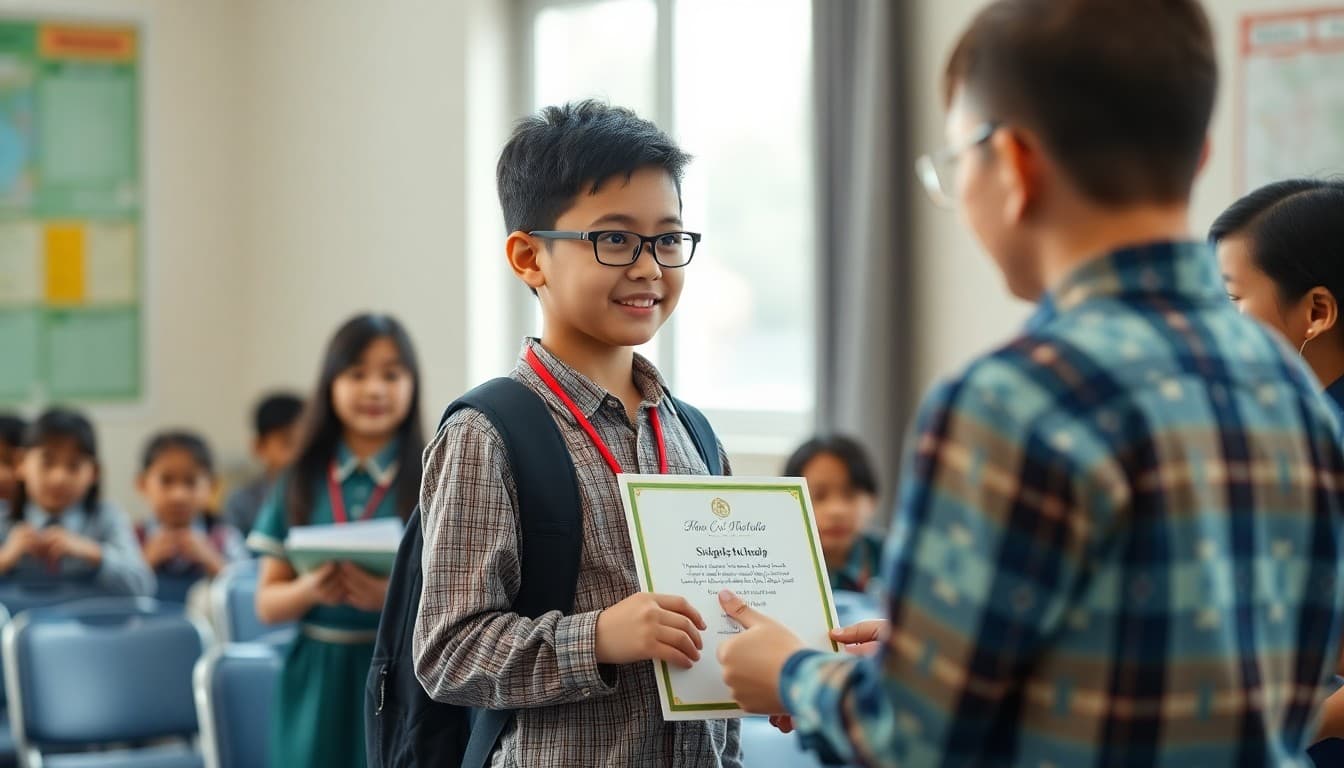
Bilingual Scholarship Newsletter: Financial Aid for Language Learners

Bilingual students often qualify for scholarships they never apply for because nobody told them the opportunity existed. A bilingual scholarship newsletter closes that gap. It puts specific, actionable financial aid information into the hands of families who may not have college-going experience in their networks, and it does so in the language where they are most likely to understand and act on what they read. This is not a feel-good communication. It is a practical tool that can change a student's post-secondary options.
Start With a Curated Scholarship List
Do not send families to a general scholarship database and tell them to search for bilingual opportunities. Curate a list of 8 to 12 scholarships that your students are realistically eligible for. Include the scholarship name, sponsoring organization, award amount, eligibility requirements, deadline date, and application link. Organize by deadline date rather than award amount so families see what is most urgent first. A targeted list of real opportunities is worth more than a comprehensive directory that overwhelms families into inaction.
Specific Scholarships Worth Featuring
The Hispanic Scholarship Fund offers need-based scholarships from $500 to $5,000 for Latino students planning to enroll full-time at accredited US institutions. The Cintas Foundation offers scholarships for Cuban-American students in the arts. The American Institute for Foreign Study awards study abroad scholarships for students with demonstrated language proficiency. The Gilman Scholarship Program through the State Department supports Pell Grant recipients studying abroad, which often includes language study. For heritage language speakers beyond Spanish, the Korean American Scholarship Foundation, the Japanese American Citizens League, and the Organization of Chinese Americans all offer targeted support. Name these organizations specifically. Generic advice to "look for heritage scholarships" does not produce the same results.
Seal of Biliteracy and Scholarship Connection
If your state offers the Seal of Biliteracy, connect it explicitly to scholarship eligibility. Several universities give admissions preference or merit scholarship credit to students who earn the Seal. California State University, the University of Washington, and dozens of other institutions have formal Seal recognition policies. Include a list of colleges in your state that recognize the Seal, with notes on what the recognition means in practice. Families who understand that their child's bilingual achievement has real college admissions value invest in maintaining language skills through high school.
Writing an Effective Scholarship Essay About Bilingualism
Many bilingual scholarships ask applicants to write about how their language background shaped them. This is a genuine opportunity for students who grew up translating for their parents, navigating two cultures, or maintaining a heritage language against peer pressure to abandon it. Include a section in your newsletter with three or four essay prompt ideas and guidance on how to write about bilingual experience authentically. Advise students to write about specific moments rather than general claims. "I translated for my mother at the DMV when I was ten and realized I was the bridge between two worlds" is a beginning. "Being bilingual has made me a better communicator" is not.
A Sample Scholarship Calendar Block
Here is a calendar block you can include directly in your newsletter:
Deadlines at a Glance / Fechas Importantes
November 15: Hispanic Scholarship Fund - hsfscholarship.org | Award: $500-$5,000
December 1: Gates Scholarship (renewable, full cost) - thegatesscholarship.org
January 10: Seal of Biliteracy institutional recognition - check your state DOE
February 1: Gilman Scholarship for study abroad - gilmanscholarship.org | Award: up to $5,000
Supporting First-Generation Families Through the Process
Scholarship applications are not intuitive for families without college-going experience in their immediate networks. Your newsletter should acknowledge this directly and offer concrete support. List the school counselor's email and office hours. Announce any application workshops you are hosting. Explain what FAFSA is and why completing it unlocks need-based aid. For undocumented students, clarify which scholarships are available regardless of immigration status, since many state and private scholarships explicitly include DACA recipients or do not require citizenship. This is sensitive information that belongs in your newsletter rather than leaving families to navigate it alone.
Celebrate Recipients Publicly
When a student wins a scholarship, put it in the next newsletter. Name the student, the scholarship, and the award amount. Ask for a brief quote about how they used their bilingual skills in the application. This does three things: it celebrates the individual student, it makes the scholarship real and achievable for other students who can see a peer succeeded, and it demonstrates to your community that the bilingual program produces measurable outcomes beyond test scores.
Get one newsletter idea every week.
Free. For teachers. No spam.
Frequently asked questions
What scholarships are available specifically for bilingual students?
Several national scholarships target bilingual and heritage language learners. The Hispanic Scholarship Fund awards over 10,000 scholarships annually to Latino students, many of whom are bilingual. The American Association of Teachers of Spanish and Portuguese offers scholarships for Spanish language achievement. The National Security Language Initiative provides critical language scholarships for college students. Additionally, many state departments of education offer scholarships tied to the Seal of Biliteracy. Include specific scholarship names, award amounts, and deadlines in your newsletter.
When should I send the bilingual scholarship newsletter?
Send in early fall, ideally September or October, so students have time to prepare strong applications. Many scholarship deadlines fall in November through February, and students who start in September write better essays and gather better recommendations than students who learn about opportunities in January. For recurring scholarships you feature every year, send the newsletter on the same week each fall so families know to expect it.
How do I include scholarship information in both languages?
The bilingual format matters here because scholarship information reaching first-generation families in their strongest language significantly increases the application rate. Translate the core eligibility requirements, deadline dates, and how-to-apply steps into the home language. Families who understand a scholarship exists but cannot read the application instructions will not apply. A 20-minute translation of the key details can change a family's access to thousands of dollars in aid.
Should teachers help students with bilingual scholarship applications?
Yes, particularly for first-generation college students who may not have family members who navigated this process. Offer application workshops where students can draft their essay with teacher feedback. Connect students with the school counselor early rather than in the final week before the deadline. For scholarships that require a teacher letter of recommendation, give teachers at least three weeks notice. A rushed letter of recommendation rarely serves a student as well as a thoughtful one.
Can Daystage help me communicate scholarship deadlines to bilingual families?
Yes. Daystage makes it easy to send a deadline reminder series so families receive the scholarship newsletter in September, a reminder in November, and a final alert two weeks before each major deadline. You schedule all three sends once and they go automatically. For programs serving families who might miss an email, you can also track open rates and follow up personally with families who have eligible students but have not opened the newsletter.
Adi Ackerman
Author
Adi Ackerman is a former classroom teacher and curriculum writer with 8 years in K-8 schools. She writes about school communication, parent engagement, and what actually works in real classrooms.
More for Bilingual
Seal of Biliteracy Newsletter: Celebrating Bilingual Achievement
Bilingual · 6 min read
Bilingual Classroom Newsletter Tips: What Actually Works for Multilingual Families
Bilingual · 5 min read
Bilingual Community Outreach Newsletter: Reaching Multilingual Families Beyond the School Building
Bilingual · 6 min read
Ready to send your first newsletter?
3 newsletters free. No credit card. First one ready in under 5 minutes.
Get started free