

Bilingual Classroom Newsletter: Communication in Two Languages
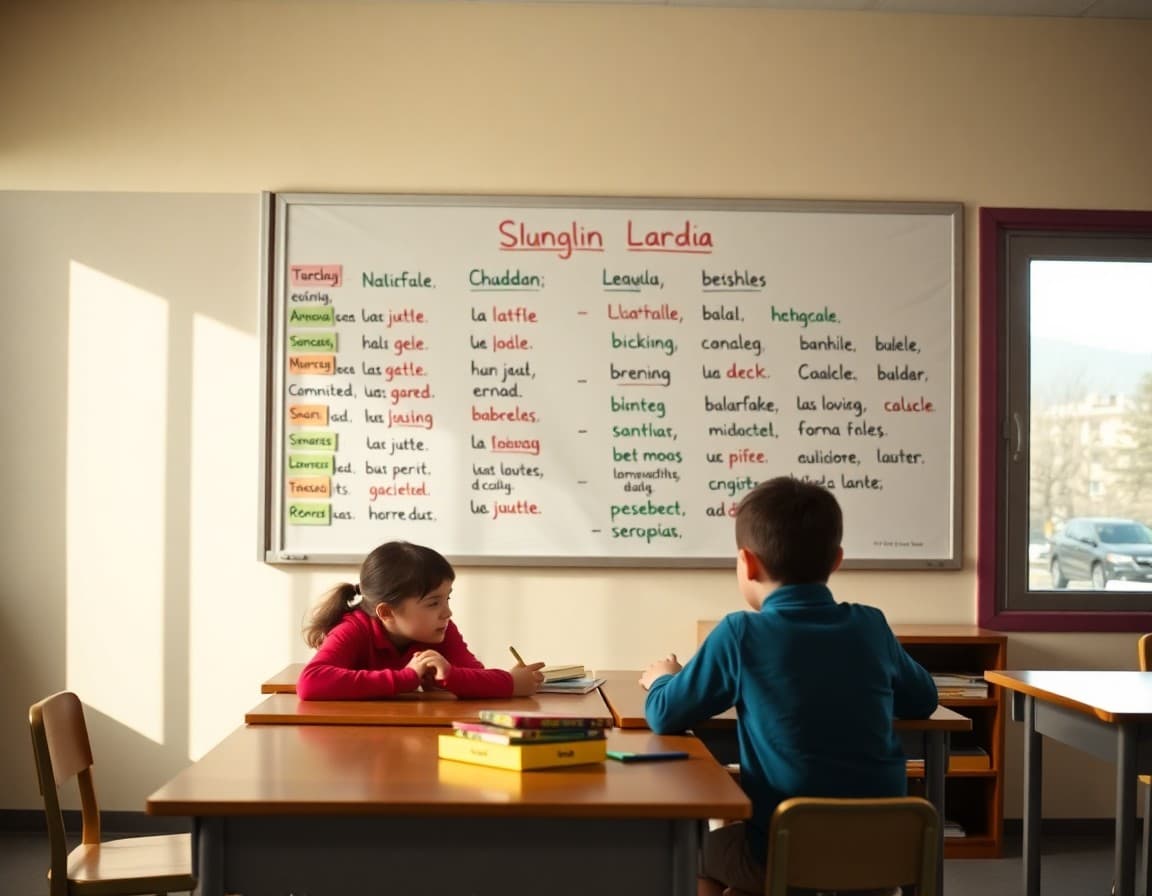
A bilingual classroom newsletter is one of the most practical tools a dual-language teacher has. It signals to every family that their language matters, keeps parents informed about what is happening in both languages of instruction, and gives students a tangible example of biliteracy in action. The challenge is making it manageable to produce every month without the translation work doubling your prep time.
Start With the Right Structure
The structure you choose in month one will define how long every newsletter takes to produce for the rest of the year. Pick a format and stick with it. A reliable four-section structure works for most bilingual classrooms: language learning update, upcoming events, home practice ideas, and one classroom story. Write each section in both languages, clearly separated. Once the template is saved, you fill it in rather than redesign it each time.
Which Language Goes First?
This seems like a small decision but it sends a message. In most dual-language programs, the language that is less dominant in the broader community goes first. If you run a Spanish-English program in an English-dominant area, Spanish goes first. If you run a Mandarin-English program, Mandarin leads. This signals to minority-language families that their language is genuinely prioritized, not added as an afterthought. English-dominant families will find their section immediately below without any effort.
The Language Learning Update Section
This section is why parents open the newsletter. Tell them exactly what language skills students are practicing this month. Be specific: "We are working on past-tense verb conjugation in Spanish" is more useful than "We are making progress in language arts." Include 5 vocabulary words with pronunciation guides and a sentence example. Give parents one concrete thing they can do at home, like asking their child to describe yesterday's lunch using the new vocabulary. Specificity converts a passive reader into an active participant.
A Template Block for Your Language Section
Here is a sample block you can adapt for any language pair:
Lo que estamos aprendiendo / What We Are Learning
This month we are practicing past-tense storytelling. Students are learning to describe things that happened yesterday, last week, and in the past using time markers. Key words: ayer (yesterday), la semana pasada (last week), antes (before), después (after), cuando (when).
At home: Ask your child to tell you about their school day using these words. Even a two-sentence story counts. The goal is using the words in real conversation, not memorizing a list.
Upcoming Events: The Section Parents Actually Search For
Put dates in both languages, clearly formatted. Parents who speak limited English should be able to find the date of the field trip without reading the full newsletter. Use a simple table or bulleted list with the date, event name in both languages, and any action required from families. Bold anything that requires a permission slip or payment so it does not get missed. This section alone justifies opening the newsletter for most busy parents.
Home Practice That Respects Different Language Levels
Not every family can practice both languages at home. Some families speak only the non-English language and struggle with the English literacy side. Others speak only English and are navigating the second language for the first time. Write your home practice section so it works at both ends of that spectrum. A suggestion like "watch one episode of a Spanish cartoon together and talk about what happened" is accessible whether the family speaks Spanish fluently or not at all.
One Classroom Story Per Issue
End each newsletter with a short paragraph describing one moment from the classroom. A student who used their second language spontaneously, a group project that combined both languages, a cultural cooking activity that sparked a conversation. Write it in both languages. This section takes 10 minutes to write and does more for program loyalty than anything else in the newsletter. Parents share these stories. They become the reason families tell friends about your program.
Keeping Production Time Under an Hour
Most bilingual teachers report their newsletter takes too long to write. The solution is a locked template with placeholder text you replace each month, not a blank document you fill from scratch. Save your template with the structure, headers, and recurring sections already in place. Budget 20 minutes for writing content, 20 minutes for translation review, and 10 minutes for proofreading. If you are consistently going over an hour, the newsletter is too long and needs to be trimmed.
Get one newsletter idea every week.
Free. For teachers. No spam.
Frequently asked questions
How do I write a bilingual newsletter when I am not fluent in both languages?
Use a professional translation service or a trusted bilingual colleague to review your second-language version before sending. Machine translation tools like DeepL can handle a first draft, but they need a human check before going to families. Sending a newsletter with translation errors undermines trust faster than sending a monolingual newsletter. Build in 24 hours for review and you will be fine.
What is the best layout for a bilingual newsletter?
Side-by-side columns work well for print, but for email a stacked layout is more readable on phones. Place the non-English version first, followed by the English translation below a clear divider. Use consistent color coding so families can scan to their language immediately. The same layout every month means parents stop having to figure out where to look.
How long should a bilingual classroom newsletter be?
Aim for a 4 to 6 minute read in each language. That means roughly 400 to 500 words per language version. If you are stacking both versions in one document, the total length will feel longer, but each individual section stays digestible. Cut any content that is not directly useful to parents and save longer explanations for a linked blog post or handout.
How often should I send a bilingual classroom newsletter?
Monthly is the baseline for most classrooms. If your school has a busy events calendar or you teach in a program with weekly vocabulary goals, a shorter biweekly update can work well alongside the monthly full edition. Consistency matters more than frequency. Families who can predict when the newsletter arrives will actually read it.
Can I use Daystage to manage my bilingual newsletter?
Yes. Daystage supports the bilingual formatting teachers need: clean two-language layouts, scheduled sending, and delivery tracking so you can see which families are opening your newsletters. You can write once and reach everyone in the format they can actually read. Several bilingual program coordinators use it specifically to manage their monthly communication schedule.

Adi Ackerman
Author
Adi Ackerman is a former classroom teacher and curriculum writer with 8 years in K-8 schools. She writes about school communication, parent engagement, and what actually works in real classrooms.
More for Bilingual
Bilingual Classroom Newsletter Tips: What Actually Works for Multilingual Families
Bilingual · 5 min read
Bilingual Back-to-School Newsletter: Welcoming Multilingual Families at the Start of the Year
Bilingual · 6 min read
Bilingual Community Outreach Newsletter: Reaching Multilingual Families Beyond the School Building
Bilingual · 6 min read
Ready to send your first newsletter?
3 newsletters free. No credit card. First one ready in under 5 minutes.
Get started free