
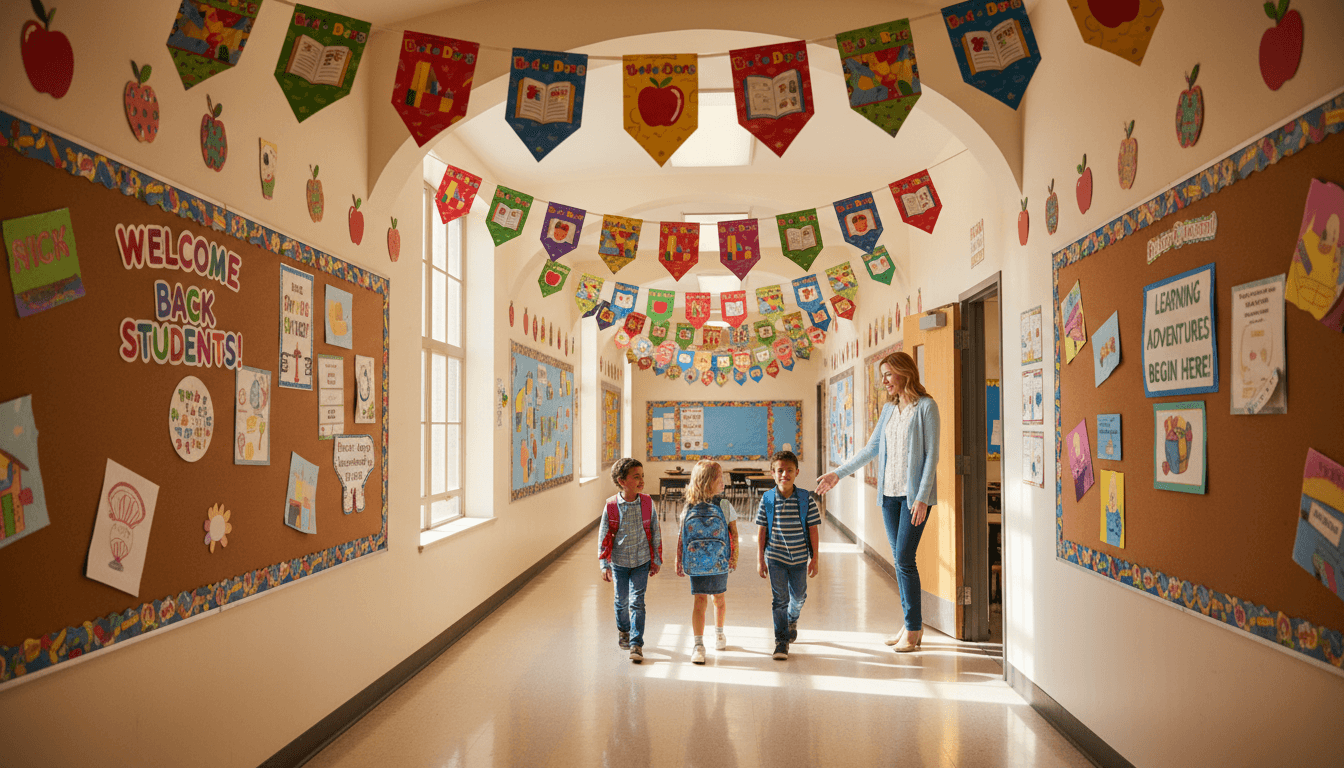
Back-to-School Arts Program Newsletter for Families
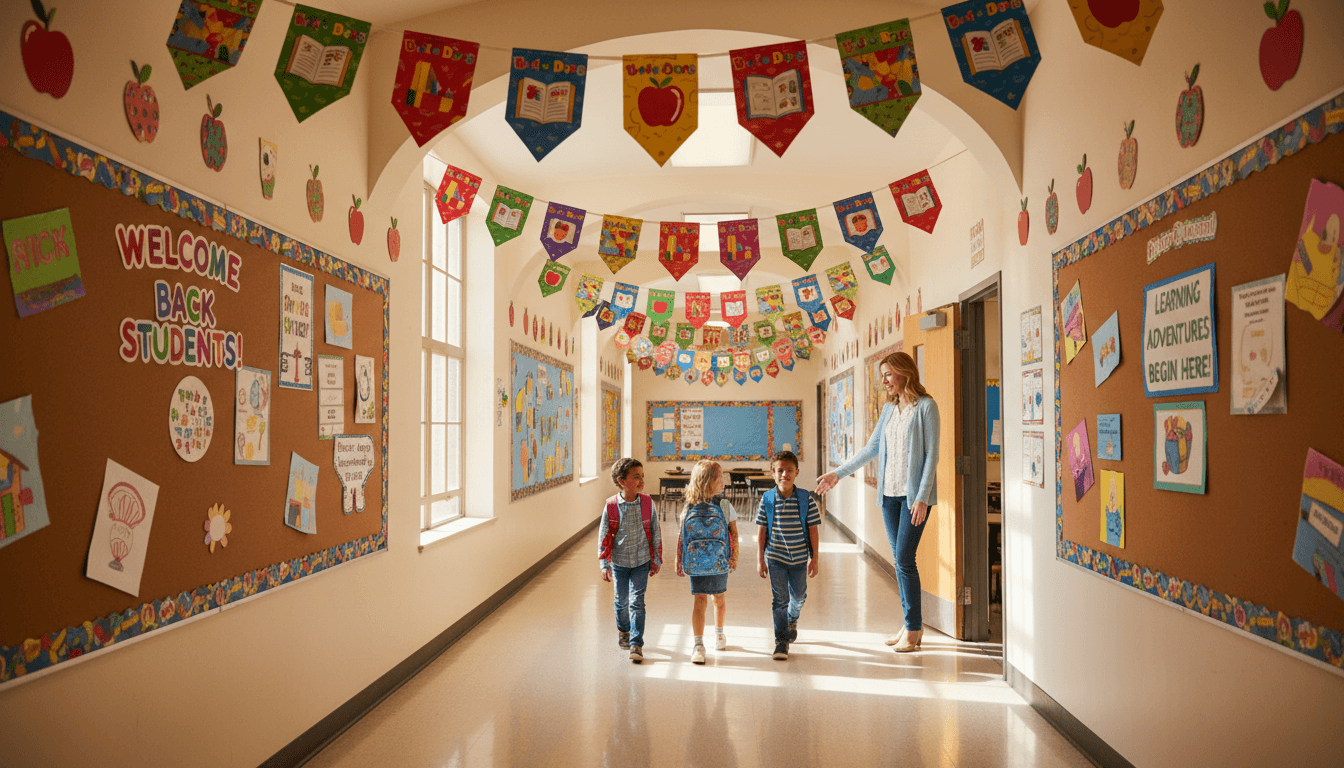
Arts education has a visibility problem at many schools. It is happening in classrooms every day but families often hear very little about it until a performance or exhibition appears on the calendar. A back-to-school arts newsletter changes that. It tells families what their child is making, why it matters, and what the year holds, before the first brush hits the canvas.
Open with the year's artistic theme or question
Arts programs that organize around a central theme or inquiry give families something to follow through the year. "This year we are exploring the question: What does it mean to tell your own story?" That sentence connects to art, writing, theater, and music and gives families a lens for the work their child brings home.
Describe what students will be creating
Name specific units, projects, and media. "Fourth graders will work with watercolor in the fall, move into printmaking in winter, and complete a self-portrait series in the spring." That level of specificity tells families what to expect and what to ask their child about. It also signals that the program has a real arc rather than a series of unconnected projects.
Preview performances and exhibitions
If there are scheduled shows, concerts, exhibitions, or demonstrations during the year, name them with approximate dates. Families who know a performance is coming in November start making plans in September. Those who hear about it with two weeks' notice often cannot attend. Getting events on the family calendar early is one of the most effective things an arts newsletter can do.
Address supply needs directly
If the art program needs supplies and the school budget does not fully cover them, a specific request in the newsletter is appropriate. Name what you need, what you can do with it, and how to contribute. Families who understand what their donation enables are more likely to give than those who receive a generic "we need supplies" message.
Make the case for arts in plain language
One short paragraph that connects arts learning to the skills families care about, focus, persistence, creative problem-solving, the ability to work through frustration, tells families that arts class is not a break from real learning. It is a different kind of real learning.
Get one newsletter idea every week.
Free. For teachers. No spam.
Frequently asked questions
What should an arts back-to-school newsletter cover?
The year's curriculum themes in visual art, music, theater, or dance, major performances or exhibitions planned, any supply needs or materials families should send, and how the school's arts program connects to broader learning goals.
How do arts teachers make the back-to-school newsletter feel different from a standard class letter?
Include something visual if possible: a photo from last year's show or exhibition, a student artwork example, or a design that reflects the studio environment. Arts newsletters that look like they came from an arts program stand out.
Should the newsletter address the relationship between arts and academic performance?
Briefly. A sentence or two that notes the research connection between arts participation and reading, focus, and social skills supports families who hear arts described as an extra, not a core program.
How should the newsletter communicate about arts supply requests?
Be specific and prioritize. If there are a few things that would make a significant difference for the program, list them clearly and name whether they are optional or essential. Vague requests for 'art supplies' generate less response than specific asks.
How does Daystage help arts teachers stay connected with families?
Daystage lets arts teachers send performance reminders, show previews, and project showcases directly to families throughout the year, keeping arts communication visible alongside academic subject updates.

Adi Ackerman
Author
Adi Ackerman is a former classroom teacher and curriculum writer with 8 years in K-8 schools. She writes about school communication, parent engagement, and what actually works in real classrooms.
More for Back to School
Ready to send your first newsletter?
3 newsletters free. No credit card. First one ready in under 5 minutes.
Get started free