
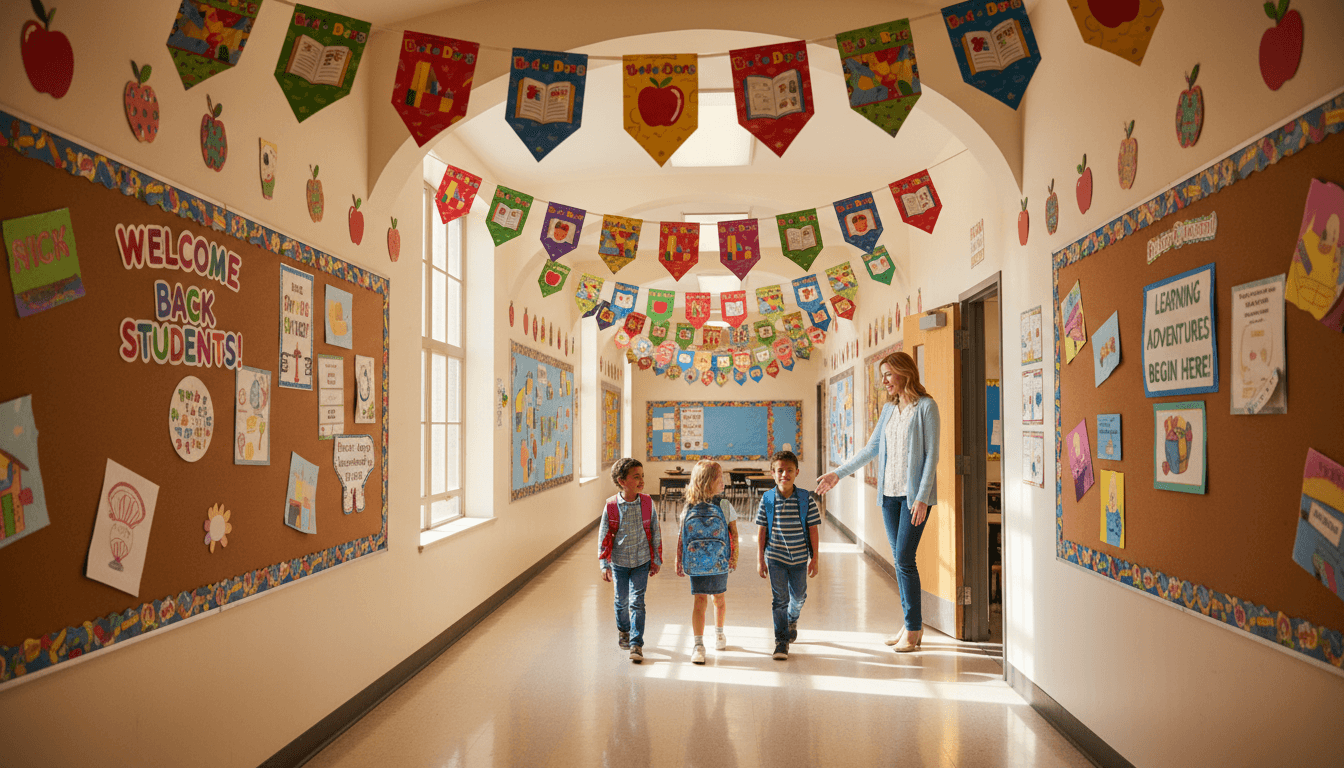
Back-to-School Attendance Policy Newsletter for Families
Attendance policies are one of the most important things schools communicate and one of the most frequently misunderstood. Families who do not know the difference between excused and unexcused absences, or who do not realize how quickly missed days add up to a formal review, are not making informed decisions about when to keep a child home. A clear back-to-school attendance newsletter fixes that.
Define excused and unexcused absences plainly
Do not use legal or administrative language from the district policy document. Translate it. "Excused absences include illness, medical appointments, religious observance, and emergencies. Unexcused absences include vacations taken outside of school breaks, oversleeping, and missing school without prior notification." That is the level of clarity families need.
If your state or district has specific rules about vacation absences or pre-arranged absences, mention the process: who families contact to request pre-approval and how far in advance.
Explain how to report an absence
Phone number, email address, the online form if you have one, and the time by which families should notify the school. This seems obvious but it is frequently left out of attendance communications. Families who do not know the right channel end up calling the classroom teacher directly, which is not the efficient path.
Name the thresholds that trigger review
Tell families at what number of absences the school will reach out. "At five absences we send a reminder. At ten we schedule a conversation. Missing more than 18 days, which is 10 percent of the school year, is considered chronic absenteeism and triggers a formal support plan." Families who know the thresholds in advance make different choices at the margins.
Acknowledge the real causes of chronic absenteeism
Chronic absenteeism is almost never about a family that does not care. It is tied to transportation problems, housing instability, health conditions, anxiety, and childcare failures. A paragraph that acknowledges this and names the supports available, including free breakfast, transportation assistance, counselor support, and health referrals, positions the school as a partner rather than an enforcement body.
Close with the attendance contact
Name the attendance officer or the person families speak to about attendance concerns. If the counselor is the primary contact for families dealing with chronic absenteeism, say so. Giving families a specific name and number makes it more likely they will reach out before a pattern becomes a problem.
Get one newsletter idea every week.
Free. For teachers. No spam.
Frequently asked questions
What should a back-to-school attendance newsletter include?
The school's definition of excused and unexcused absences, how to report an absence, the number of absences that trigger a formal review, and what supports are available for families managing chronic absence. State the policy clearly without making it sound punitive.
How do you write about attendance without alienating families who struggle with it?
Focus on the impact of attendance on learning rather than the consequences of absence. Acknowledge that attendance challenges are often tied to real circumstances and that the school wants to help families solve them, not penalize them.
Should the newsletter mention chronic absenteeism specifically?
Yes. Define it (missing 10 percent or more of school days), explain why it matters, and name the supports the school offers before families reach that threshold. Prevention communication is more effective than reactive enforcement.
What is the most important thing families should do when their child is absent?
Call or email the school before 9 AM on the day of the absence. Walk them through exactly how to report it: the number to call, the email address, and what information to include. This reduces unverified absences and makes attendance tracking accurate.
How does Daystage support attendance communication?
Daystage lets schools send attendance-related newsletters and policy updates directly to all families, and lets counselors follow up with targeted newsletters to families who receive attendance alerts.

Adi Ackerman
Author
Adi Ackerman is a former classroom teacher and curriculum writer with 8 years in K-8 schools. She writes about school communication, parent engagement, and what actually works in real classrooms.
More for Back to School
Ready to send your first newsletter?
3 newsletters free. No credit card. First one ready in under 5 minutes.
Get started free