

Pennsylvania Athletics Newsletter: Local Resources and Guide
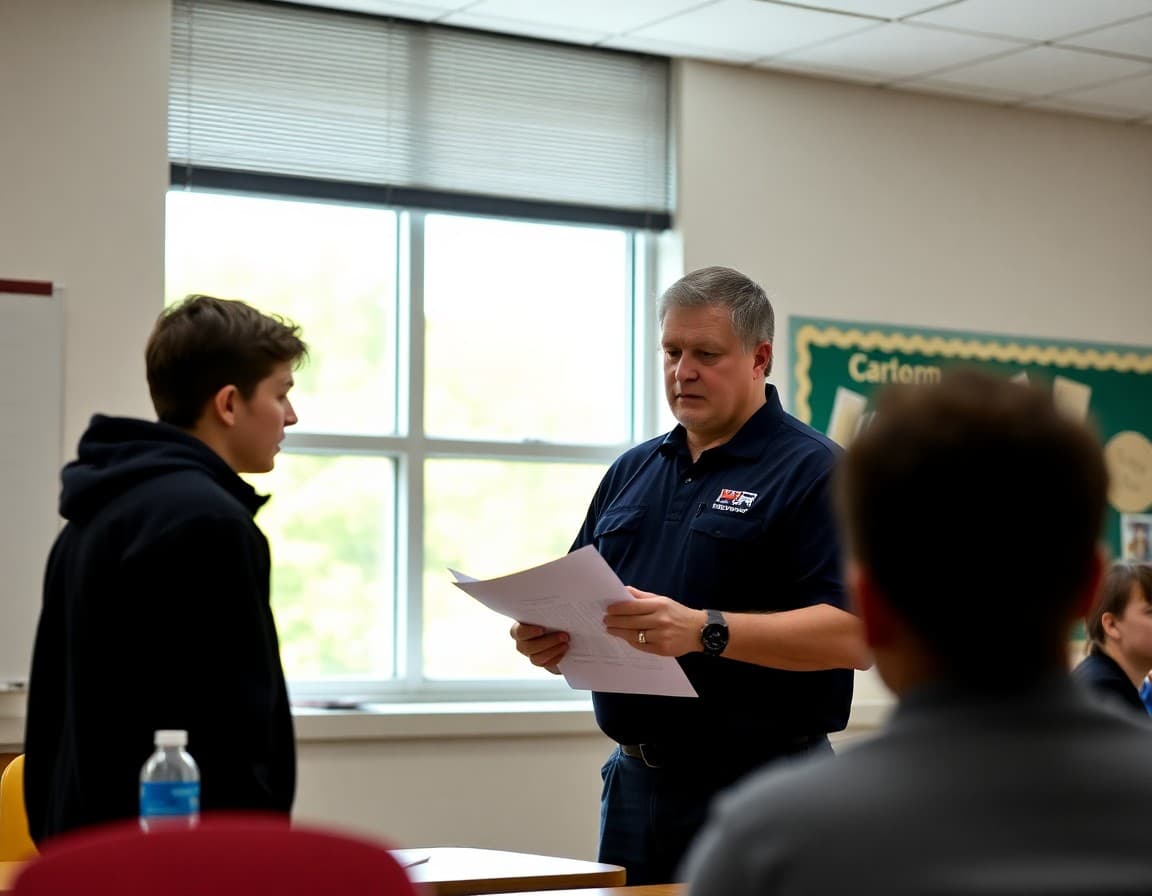
Pennsylvania high school athletics operates under the governance of the Pennsylvania Interscholastic Athletic Association. Athletic directors who understand PIAA requirements and communicate clearly with families build programs that are both compliant and well-supported by their communities.
PIAA Eligibility Requirements
PIAA eligibility rules cover academic standing, transfer periods, age limits, and physical examination requirements. Communicate the core requirements at the start of every sport season. For families navigating transfer situations, direct them to the athletic office immediately rather than letting assumptions develop. Transfer rules are specific and families who do not understand them make decisions that affect their athlete's eligibility.
Classification and Competition Structure
PIAA classifies Pennsylvania schools based on enrollment with separate championship brackets for each classification. Families who are new to Pennsylvania high school athletics benefit from a brief explanation of what class their school competes in and what that means for the regional and state championship path. Pennsylvania has one of the most competitive high school wrestling programs in the country, producing significant college and Olympic talent.
Sports Physical Requirements
PIAA requires a current physical examination on file before any student participates in school-sanctioned athletics. Communicate the physical deadline and required form at the start of every season. If your district partners with local health providers for reduced-cost physicals, include that information. The deadline and submission process should appear in every preseason newsletter.
Preseason Communication Priorities
Before each sport season begins, athletic directors should send families a newsletter covering practice start dates, eligibility requirements, equipment needs, mandatory parent meeting details, and the season schedule. A thorough preseason newsletter reduces individual family questions and sets the expectation that your program communicates proactively rather than reactively.
Weather and Safety Protocols
Communicate your program's weather protocols clearly at the start of each season. State what thresholds trigger practice modifications or cancellations, how families will be notified, and what the notification timeline looks like. Consistent, well-communicated protocols build family trust and reduce anxiety when conditions change unexpectedly.
Local Resources for Pennsylvania Athletic Programs
Beyond PIAA, Pennsylvania athletic directors can access support through county athletic associations, state coaching certification programs, and regional officiating organizations. Building relationships with local officiating assigners and regional facility contacts simplifies scheduling and postseason logistics for programs at every classification level.
Sample Newsletter Section for Pennsylvania Programs
Here is a template excerpt Pennsylvania athletic directors can adapt:
"All athletes must have a completed PIAA physical form on file before the first practice of any sport. Physical forms are available at the athletic office and on the PIAA website. Transfer students must contact the athletic office before changing schools. Season schedules are posted on the athletics page of our school website."
Communication Tools for Pennsylvania Athletic Directors
Managing communication across multiple sport programs requires efficient tools. Daystage is built for school athletic communicators. Create sport-specific newsletters, manage your subscriber lists, and send professional updates to families in minutes. Whether you are running a large program or a small athletics department, Daystage keeps your communication organized and your families informed all year.
Get one newsletter idea every week.
Free. For teachers. No spam.
Frequently asked questions
What is the PIAA and how does it govern Pennsylvania high school sports?
The Pennsylvania Interscholastic Athletic Association governs interscholastic athletics for Pennsylvania schools. PIAA sets eligibility requirements, classification structures, transfer rules, and championship formats. Athletic directors should communicate PIAA requirements clearly to families at the start of each sport season.
What sports are most popular in Pennsylvania high school athletics?
Football, basketball, and wrestling are the top sports in Pennsylvania. Baseball, track, and swimming also have strong participation.
How should Pennsylvania athletic directors communicate eligibility requirements to families?
Cover academic minimum standards, physical examination requirements, transfer rules, and age limits at the start of each season. Reference the current PIAA handbook for specific rules and direct families to the PIAA website for full policy details.
What local resources support Pennsylvania athletic programs?
The Pennsylvania Interscholastic Athletic Association offers professional development, officiating resources, and championship event information. The Pennsylvania Coaches Association and state athletic directors association provide peer support and professional development for athletics administrators.
How does Daystage help Pennsylvania athletic directors communicate with families across multiple sports?
Daystage lets Pennsylvania athletic directors create and send sport-specific newsletters from one platform. You reach football families, basketball families, and all other sport audiences separately without managing multiple email lists or separate communication tools.

Adi Ackerman
Author
Adi Ackerman is a former classroom teacher and curriculum writer with 8 years in K-8 schools. She writes about school communication, parent engagement, and what actually works in real classrooms.
More for Athletics
Ready to send your first newsletter?
3 newsletters free. No credit card. First one ready in under 5 minutes.
Get started free