
Baseball August Newsletter: Season Updates for Families
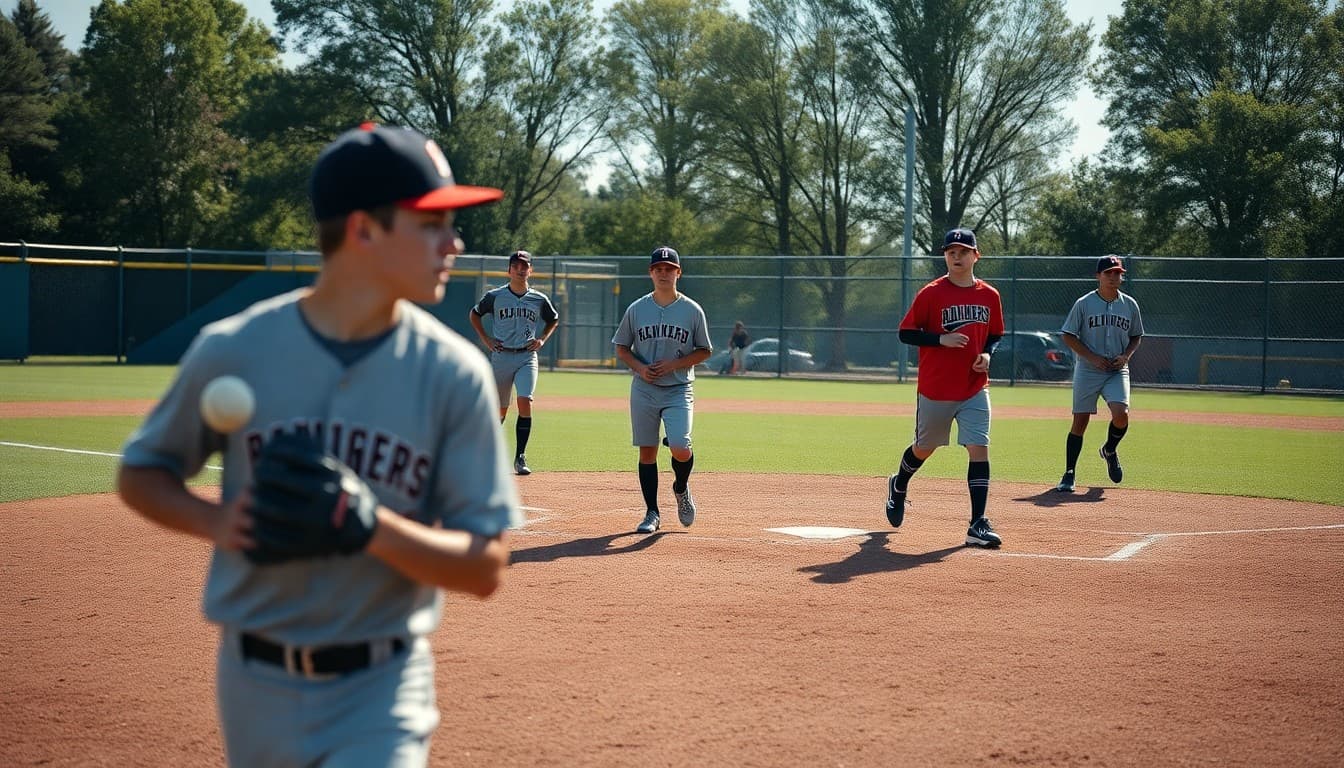
Baseball is a spring sport, but the fall is when the program foundation is built. Fall conditioning, development sessions, and early communication with families set the tone for everything that happens when tryouts open in February or March. An August newsletter kicks off that process the right way.
Fall Conditioning Schedule
Give families the full fall conditioning calendar. Include session dates, times, location on school grounds, and what each session focuses on. Note whether attendance is mandatory or voluntary for returning players and what the expectation is for incoming freshman or athletes new to the program. Heat and outdoor conditions are still a factor in August, so include basic safety protocols and hydration expectations for early sessions.
Fall Scrimmages and League Play
If your program participates in a fall scrimmage schedule or a fall league, include dates, opponents, locations, and whether family attendance is possible at these events. Fall games have a different feel than spring league play and are generally lower stakes, but families who attend see early player development and build investment in the program before the competitive season begins.
Eligibility and Physical Requirements
Remind families that sports physicals are required before participation in any school-sanctioned practice or conditioning session. If the spring season physical deadline is different from the fall conditioning participation standard, clarify both. Academic eligibility requirements apply to fall conditioning participation in many districts. Give families the standard and a contact for questions.
Equipment Overview
Describe what the program provides: helmets, catcher's gear, bats, and practice equipment. Note what athletes are responsible for providing on their own: cleats, batting gloves, and personal protective gear. If your program has specific bat certification requirements (BBCOR for high school), explain what families need to know before purchasing equipment this fall. A note here prevents expensive mistakes in the winter when families buy non-compliant bats.
Coaching Staff Introduction
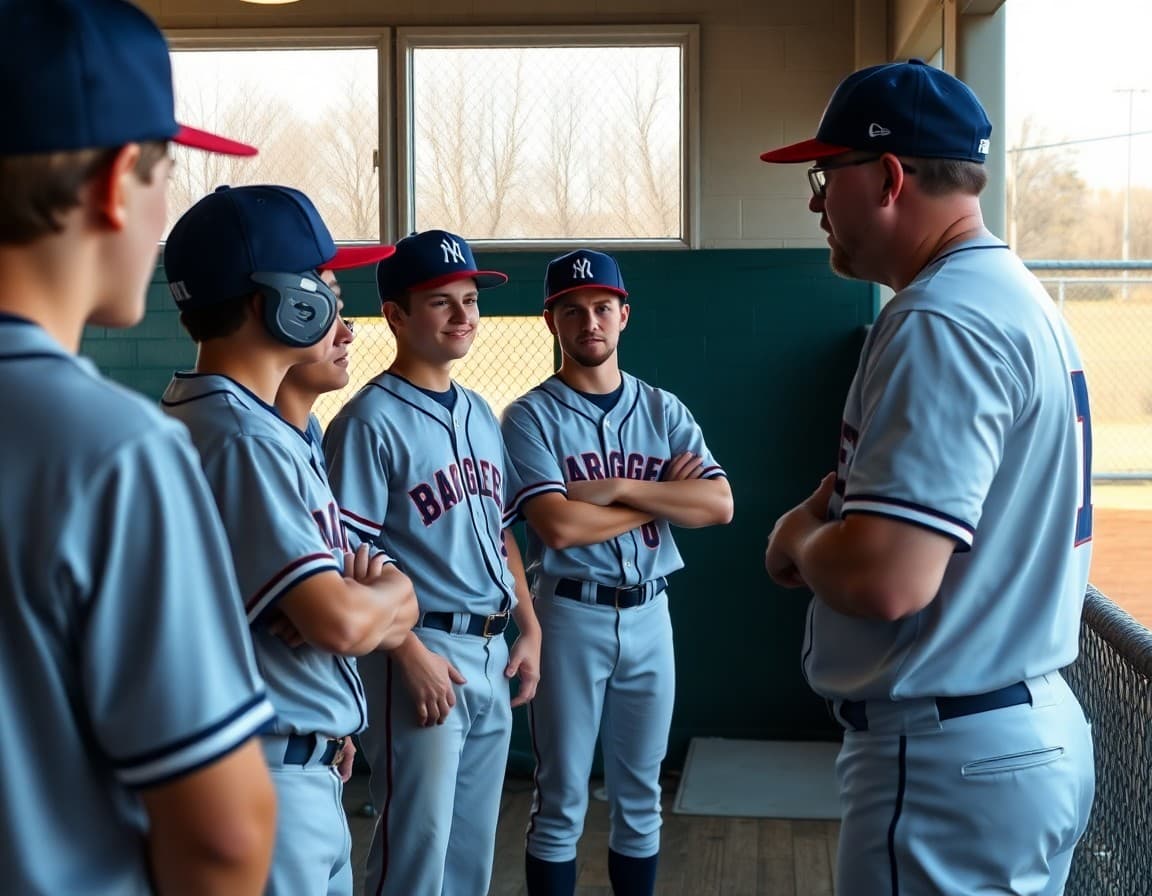
August is a good time to introduce or re-introduce the coaching staff, especially for families who are new to the program. A name, role, and brief background for each coach builds credibility before the competitive season starts. If any coaches are new this year, their introduction is especially important for families who may not recognize them at fall conditioning sessions.
Spring Season Preview
Even though spring is months away, a brief preview of the spring calendar helps families plan. Include a preliminary tryout window, the expected first game timeframe, and any major tournaments or away trips already being planned. A sentence or two is enough. You are not committing to a full schedule, just giving families a sense of the timeline.
Sample August Newsletter Section
Here is a template excerpt you can customize:
"Fall conditioning runs Monday, Wednesday, and Friday from 4:00 to 6:00 PM on the varsity diamond through October 10. All athletes need a current physical on file before joining. We have four fall scrimmages scheduled, starting September 12. Family spectators are welcome. Spring tryouts will open the last week of February."
Building the Year-Round Program
Baseball families who feel connected to the program year-round are more engaged when spring arrives. Consistent fall communication builds that connection. Daystage makes it easy to send a polished August newsletter even when the staff is managing multiple fall sport obligations. Build it once, update it each year, and your baseball family community stays connected from summer through state playoffs.
Get one newsletter idea every week.
Free. For teachers. No spam.
Frequently asked questions
What should a baseball August newsletter include?
Baseball seasons typically run in spring, so an August newsletter covers fall conditioning, any fall jamboree or scrimmage schedules, eligibility reminders, equipment updates, and coaching introductions for families who are new to the program.
Do high school baseball programs have fall activities worth communicating about?
Yes. Most programs run fall conditioning, open practices, and sometimes a fall league or inter-squad scrimmages. These activities help develop younger players and maintain conditioning for returning athletes. Communicating the fall schedule keeps families engaged year-round.
What equipment do baseball families need to know about in August?
Note what the school provides versus what athletes purchase individually. Bats, helmets, and catcher gear are typically school-provided. Cleats, batting gloves, and personal bats may be the athlete's responsibility. Clarify expectations and any bat certification requirements before the spring season.
Should August baseball newsletters address spring tryout timelines?
A brief mention is appropriate. Families with incoming freshmen or athletes new to the program want to know when spring tryouts happen even if they are seven months away. Give a preliminary window and note when the full schedule will be confirmed.
How does Daystage help baseball programs communicate year-round?
Daystage keeps your subscriber list active between seasons so you can send fall conditioning newsletters as easily as spring game recaps. One consistent platform for all baseball family communication means families always know where to look.

Adi Ackerman
Author
Adi Ackerman is a former classroom teacher and curriculum writer with 8 years in K-8 schools. She writes about school communication, parent engagement, and what actually works in real classrooms.
More for Athletics
Ready to send your first newsletter?
3 newsletters free. No credit card. First one ready in under 5 minutes.
Get started free