

School Baseball and Softball Program Newsletter: Communicating Through the Spring Season
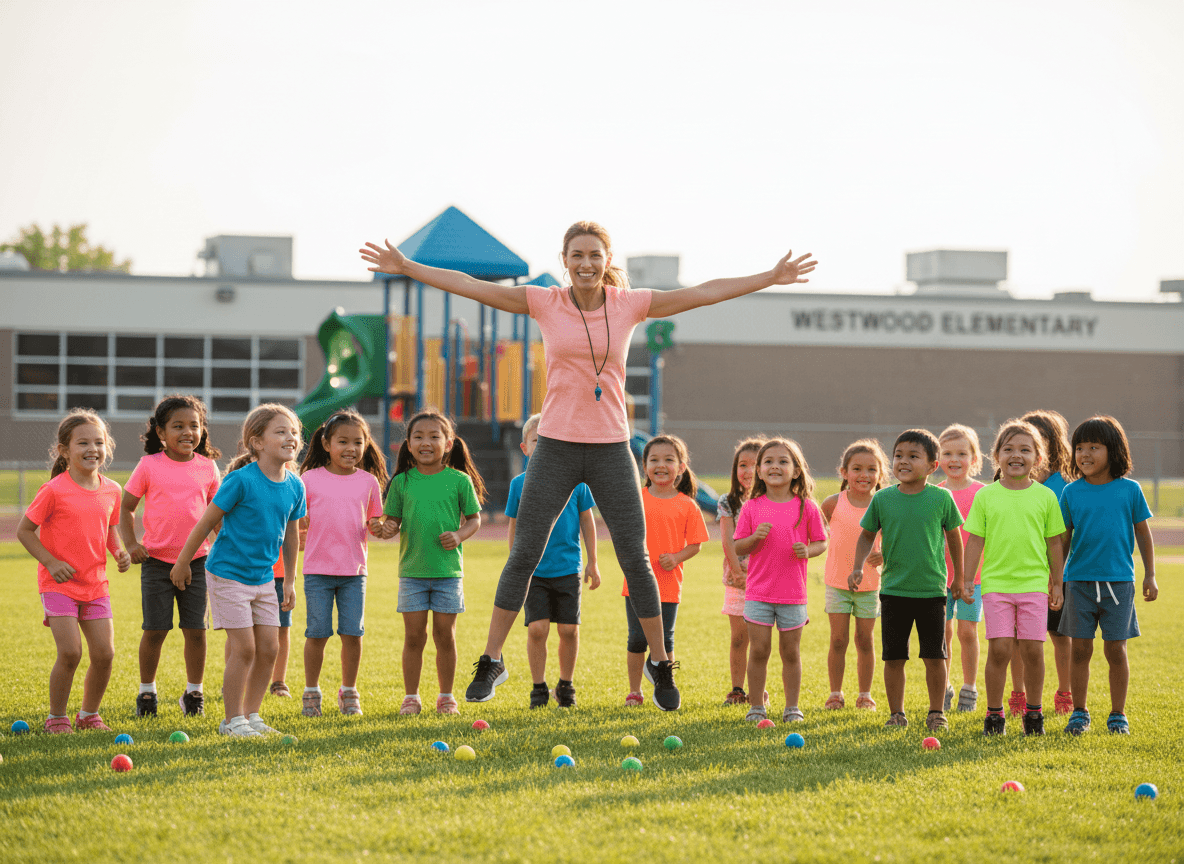
Spring sports communication presents a specific challenge: the schedule that was printed in February rarely matches what is actually played in May. Weather cancellations, field conflicts, and tournament rescheduling create constant adjustments that reach families through whatever communication system the program has in place. Programs with organized communication systems handle spring schedule chaos smoothly. Programs without them spend their springs managing confusion.
This guide covers how to structure baseball and softball program communication for the realities of a spring season.
Setting expectations before the season starts
The most important communication in a spring sports program is the one sent before the season. Families who understand the weather policy, the makeup game process, and the communication channel the program uses are prepared for the inevitable adjustments that spring weather creates.
Include the cancellation decision timeline (games canceled by 2pm will be communicated by 3pm), the makeup schedule approach (games will be rescheduled as doubleheaders when possible), and how families will be notified (newsletter, school athletics text line, or other channel). This communication is insurance against a spring's worth of family frustration.
Tryout and roster communication
Baseball and softball tryout communication deserves care. The roster decisions in these sports can be highly emotional, particularly in communities where travel ball has raised both skill levels and expectations among families. A clear communication about what coaches evaluate, how many spots are available, and what options exist for players who do not make the roster prevents much of the post-tryout conflict that programs deal with every spring.
Doubleheader and makeup communication
Doubleheaders are normal in spring sports and abnormal in most families' schedules. When a doubleheader is added, communicate it as soon as it is scheduled, with full details. Families who find out about a morning doubleheader the night before cannot arrange childcare, shift work schedules, or plan the logistics of attending. Two days notice is not much, but it is far better than the morning of.
Senior night and banquet: the season bookends
Senior night at the final home game is one of the most meaningful events in a spring sports program. Give senior families six weeks notice so they can arrange for extended family to attend and plan around graduation season conflicts. The end-of-season banquet, which recognizes individual and team achievements, deserves equally early communication for the same reasons.
Get one newsletter idea every week.
Free. For teachers. No spam.
Frequently asked questions
How should baseball and softball programs handle the uniquely weather-disrupted spring schedule in their communication?
By establishing a clear rainout communication protocol before the season and communicating it in the preseason newsletter. Baseball and softball schedules are the most weather-disrupted of any school sport, with doubleheaders, makeup dates, and late-season schedule compression common every spring. Families who understand upfront that the schedule will shift, that the program will notify them by a specific time through a specific channel, and that makeup logistics will be communicated as soon as they are determined experience weather disruptions as manageable rather than chaotic.
What should a spring baseball or softball preseason newsletter cover?
The opening day roster (after tryouts are complete), the full schedule with venue directions for away games that are on fields families may not know, the weather cancellation protocol, parent volunteer needs (scorekeeping, field maintenance, concessions), equipment requirements, and the academic eligibility reminders as spring semester grading affects spring sport participation. Families who receive this information before the first game are the most prepared spring sports families in the school.
How should programs communicate about doubleheaders and makeup game logistics?
As soon as the schedule is known, with full logistical detail. Doubleheaders are a full-day commitment for families who want to attend both games. A communication that explains the start time, the expected finish time, the concession and restroom situation, and whether families can leave and return between games treats families as capable planners rather than passive attendees. Last-minute doubleheader communication is one of the most common complaints in spring sports.
How should baseball and softball programs communicate about end-of-season recognition and banquets?
Four to six weeks before the event so that families can arrange schedules, especially for seniors whose families may be coming from out of town. Cover the date, time, location, cost if any, what families should expect (award structure, senior recognition, coaching remarks), and any specific requests (senior photos, parent speeches, senior bios). Senior night at the final home game is equally important and deserves its own advance communication.
How does Daystage help spring programs communicate through a schedule that changes constantly?
Daystage lets coaches send quick, focused updates as schedule changes occur without building a new communication from scratch each time. A standing template for weather cancellations and makeup announcements can be updated and sent in minutes. Families who know to look for this communication channel check it first when they are unsure whether today's game is on, which reduces the volume of individual calls and texts coaches receive on rainy spring afternoons.

Adi Ackerman
Author
Adi Ackerman is a former classroom teacher and curriculum writer with 8 years in K-8 schools. She writes about school communication, parent engagement, and what actually works in real classrooms.
More for Athletics
School Sports Awards Banquet Newsletter: Celebrating Athletes and the Year in Review
Athletics · 5 min read
School Team Captain Recognition Newsletter: Acknowledging Student Athletic Leaders
Athletics · 5 min read
PE Teacher Newsletter: What Physical Education Teachers Should Be Communicating With Families
Athletics · 5 min read
Ready to send your first newsletter?
3 newsletters free. No credit card. First one ready in under 5 minutes.
Get started free