
Baseball September Newsletter: Season Updates for Families
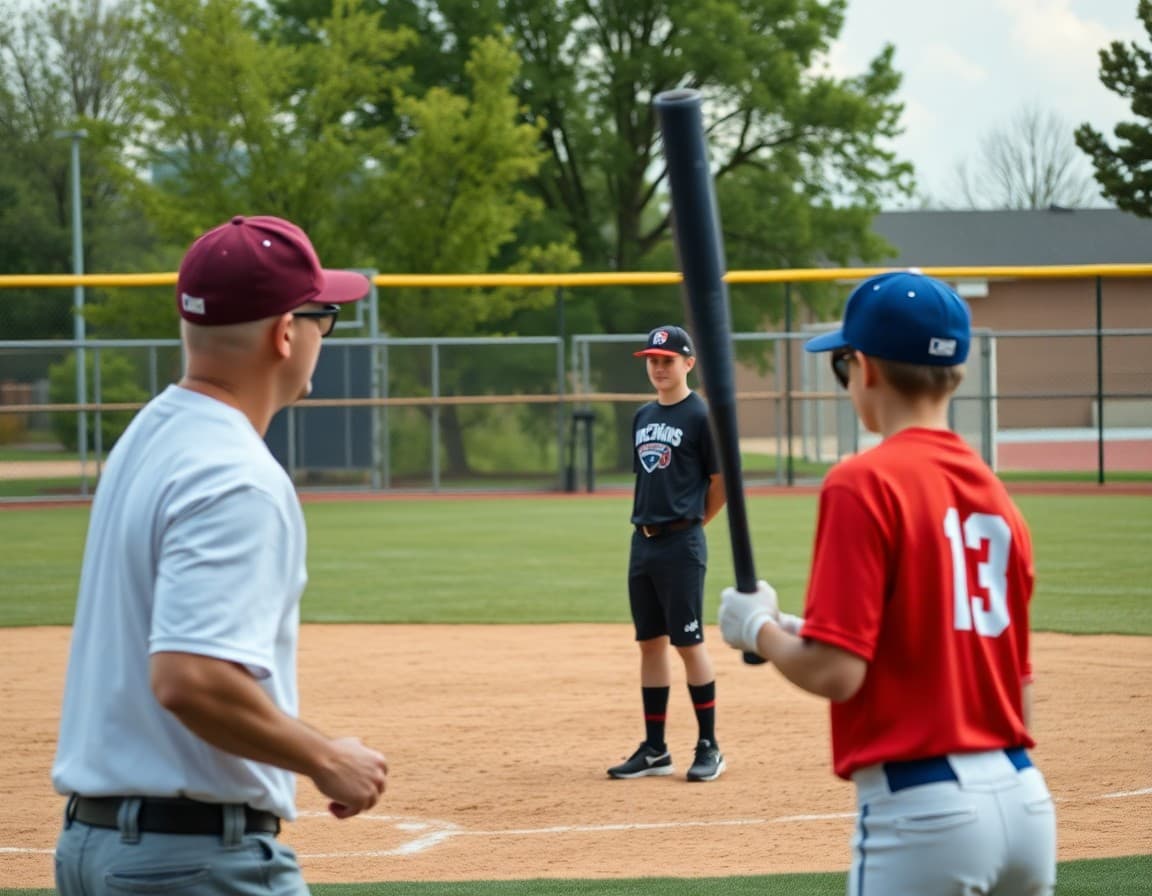
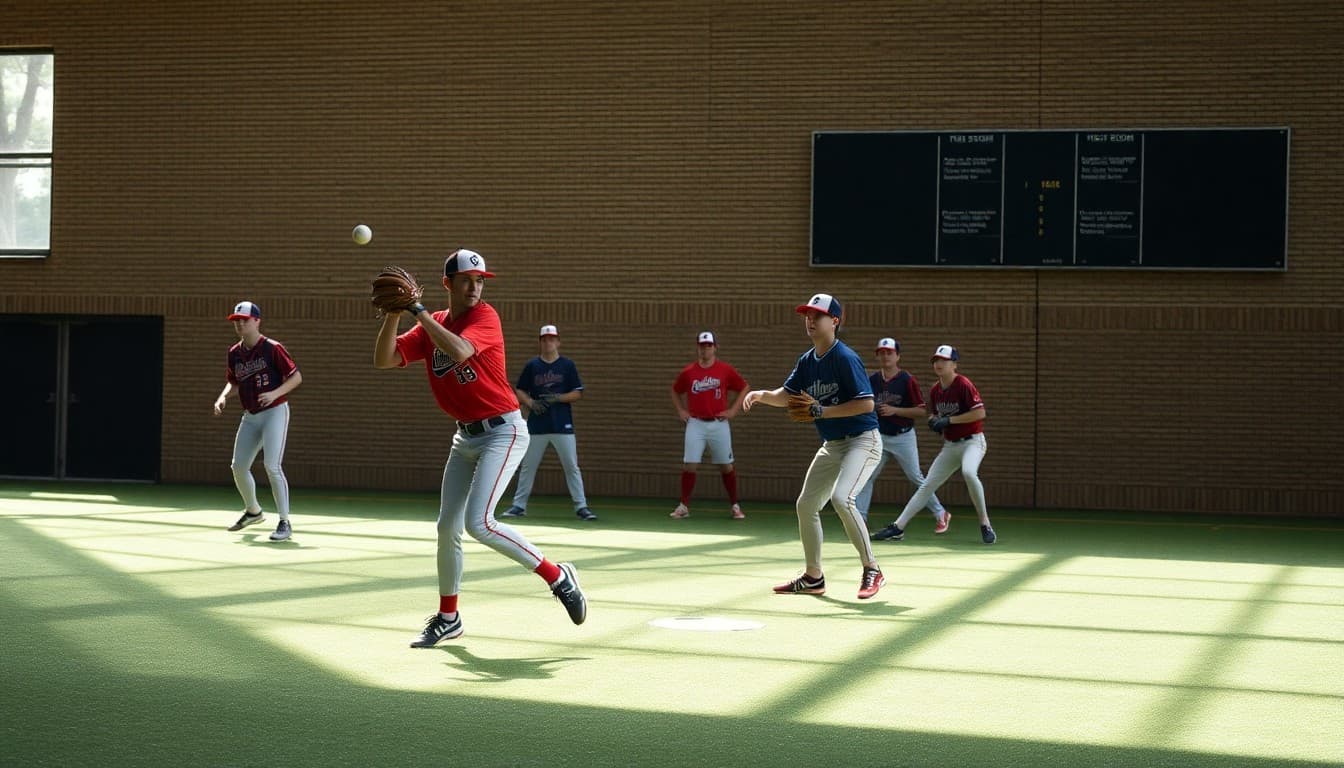
September baseball is about development and preparation. Fall conditioning is underway, scrimmages are happening, and the program is using this window to build skills before the competitive spring season. Families who are engaged during this phase are your most informed and supportive spring audiences.
Fall Conditioning and Scrimmage Update
Give families a brief update on how fall conditioning is going. Note any scrimmage results without treating them with the same weight as spring conference games. Fall results are development data, not season records. A note like "our pitching staff had a strong showing against Jefferson on Saturday" is informative without inflating expectations.
Player Development Focus Areas
Share what the coaching staff is emphasizing during fall sessions. Pitching mechanics, defensive positioning, situational hitting, and base running are all common fall development themes. Describing the focus shows families that fall is purposeful and that the coaching staff has a clear vision for where the team is headed. Keep it general and team-oriented rather than discussing individual athletes.
Fall Schedule Remaining
List any remaining fall scrimmages, jamborees, or conditioning milestones. Include dates, times, locations, and whether spectators are welcome. If the fall season ends on a specific date and conditioning transitions to winter lifting, note that transition so families know what comes next.
Booster Club Update
Fall is often when baseball booster clubs begin major fundraising for spring equipment, travel, and tournament fees. Include any active campaigns, upcoming events, and how families can get involved. If there is a board or committee that families can join, describe it briefly and give a contact email. New families who are energized by the fall are often the best booster club recruits.
Recruiting and College Interest Update
For programs with junior and senior athletes receiving college interest, a brief factual update is appropriate. Keep it to public commitments or offers the athlete has shared. For families navigating the recruiting process for the first time, a short note about how the process typically unfolds and who at the school can help is genuinely useful.
Winter Training and Gym Access
Most baseball programs transition from field work to indoor training as fall ends. Describe the winter training schedule if it is set. Include weight room access, indoor hitting sessions, and any team meetings planned during the winter break. Families who plan ahead around conditioning schedules have fewer conflicts when spring begins.
Sample September Newsletter Excerpt
Here is a template section you can customize:
"Fall conditioning continues Mondays and Wednesdays through October 15. We have two more scrimmages scheduled: October 2 and October 8, both at home. Spectators welcome from 4:00 PM. Winter weight room access begins November 4. Spring tryout dates will be confirmed by December. Booster club fall fundraiser is open now through October 31."
Fall Communication Sets Up Spring Success
The baseball families who are most prepared in February are the ones who received consistent communication since August. They know the coaching staff, understand the program's development philosophy, and have already marked key dates on their calendar. Daystage makes it simple to maintain that cadence with a short monthly newsletter that builds the community your program depends on come spring.
Get one newsletter idea every week.
Free. For teachers. No spam.
Frequently asked questions
What does a baseball September newsletter cover?
September is mid-fall for baseball programs. Cover fall league or scrimmage results, player development highlights, conditioning updates, booster club news, and any preliminary spring season planning. Keep it brief since the main season is still months away.
How do baseball coaches communicate player development without creating pressure?
Focus on team growth and skills development rather than individual evaluations. Phrases like 'our pitching group is sharpening its mechanics' or 'fielders are working on double play footwork' are informative without singling out specific athletes.
Should baseball programs mention recruiting in a September newsletter?
If any seniors have received college interest or offers, a factual note is appropriate. Keep it to public information the athlete has shared. For junior families who are new to the recruiting timeline, a brief general note about when recruiting communication typically ramps up is useful.
What booster club activities should appear in a September baseball newsletter?
Fundraising campaigns, equipment purchase goals, volunteer opportunities for upcoming fall events, and any community partnerships the booster club manages are all worth mentioning. A short note with a contact link is enough.
Can Daystage handle a baseball newsletter list that includes alumni and booster club members?
Yes. Daystage supports multiple subscriber groups. You can send to current baseball families, booster club members, and alumni separately or as a combined audience depending on the content of each send.

Adi Ackerman
Author
Adi Ackerman is a former classroom teacher and curriculum writer with 8 years in K-8 schools. She writes about school communication, parent engagement, and what actually works in real classrooms.
More for Athletics
Ready to send your first newsletter?
3 newsletters free. No credit card. First one ready in under 5 minutes.
Get started free