
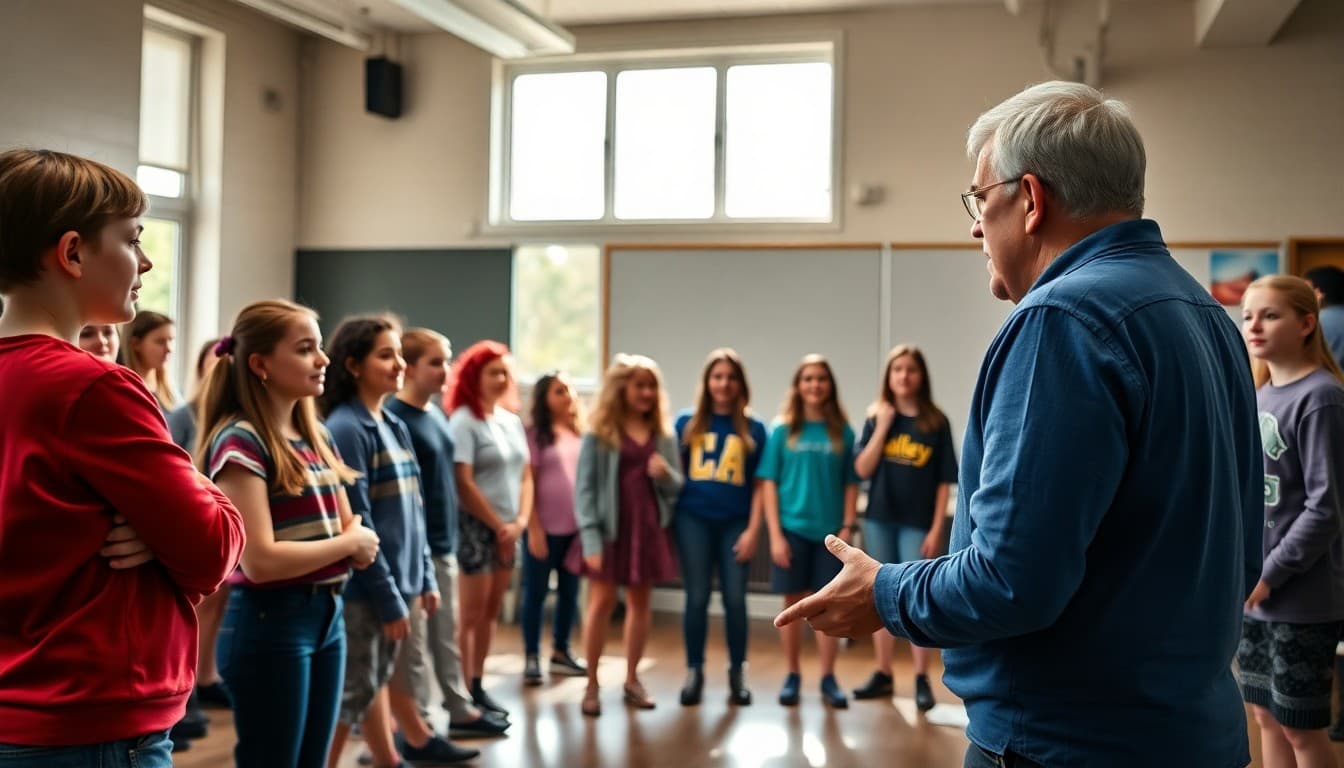
School Musical Newsletter: Auditions Production and Performance
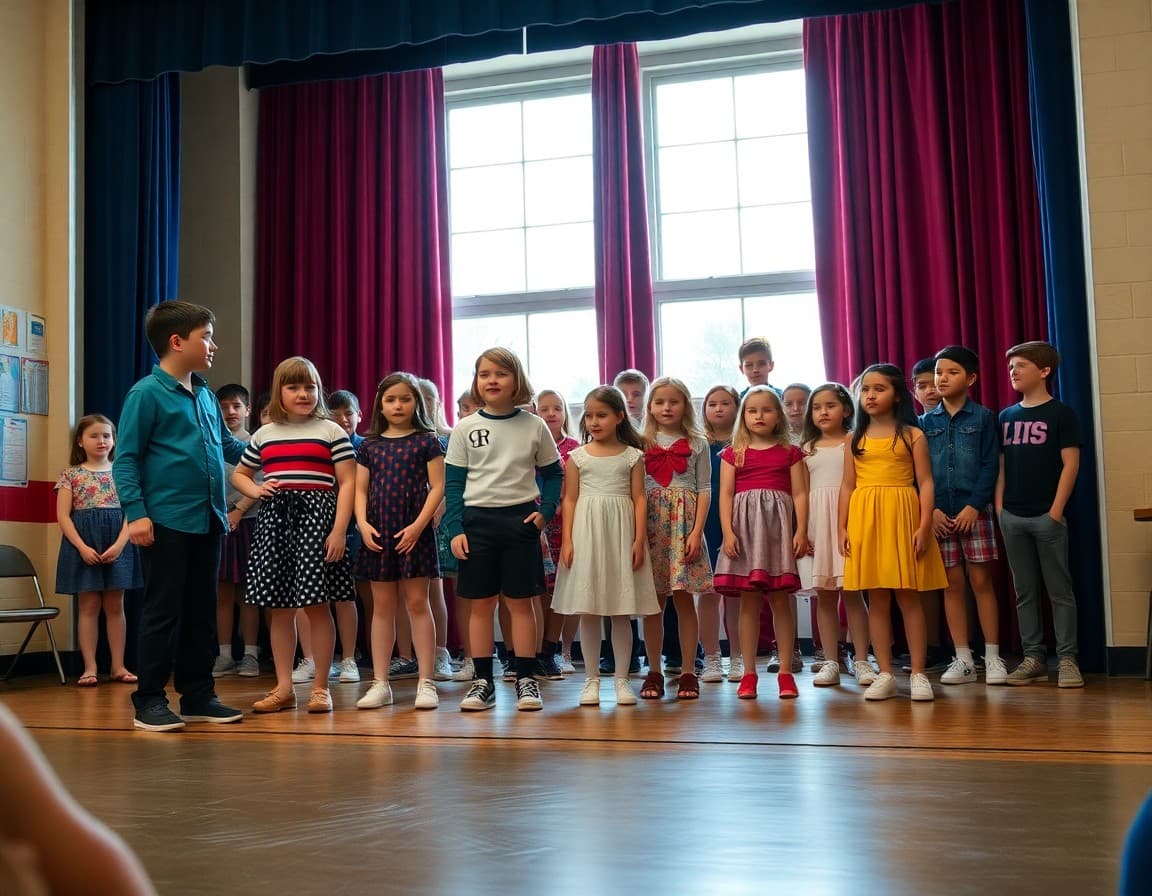
A school musical newsletter is managing the most complex communication calendar in any school arts program. Auditions, casting, months of rehearsal, costume fittings, ticket sales, tech week, and three or four performances. Your newsletter needs to keep families informed and enthusiastic across all of that.
Announce the show title with genuine excitement and context
When you announce the show, tell families what the show is about, what makes this particular production exciting, and why you chose it for this year's company. A newsletter that treats the announcement as a significant reveal generates more anticipation than a simple administrative notice.
"This spring's production is Into the Woods. It is a Sondheim musical based on Brothers Grimm fairy tales, and it is one of the most challenging shows a school can take on. The vocal demands are exceptional. The themes, about what happens after the fairy tale ends, are sophisticated enough to engage audiences of any age. We chose it because our students can handle it, and because our audience deserves something that respects their intelligence."
Describe the audition process in complete detail
Students who know exactly what to prepare and what to expect perform better at auditions. Families who understand the process are more supportive and less anxious. Give complete audition details: what to prepare, what to bring, how long auditions last, what callbacks are, and when the cast list is posted.
"Auditions are September 23rd and 24th after school, 3:30 to 6 PM. Prepare 16 to 32 bars of a song in the style of the show. Bring sheet music for the accompanist; no recorded backing tracks. Callbacks are September 26th and will be called by character name. Cast list posts online by September 30th at 8 PM. Every student who auditions will receive a role or a crew position."
Set the full production timeline in the first newsletter
Families who see the full timeline in the first newsletter can plan family life around the production rather than reacting to conflicts as they emerge. A one-page calendar from auditions through closing night is one of the most useful things a musical newsletter can include.
Include the approximate hours for each phase of rehearsal, not just the dates. "Music rehearsals: Tuesdays and Thursdays, 3:30 to 5 PM. Full company rehearsals starting November 12th: Monday through Thursday, 3:30 to 6 PM. Tech week: all week, 3:30 to 9:30 PM or until the director is satisfied."
Build toward tech week with honest preparation
Tech week is the most intense and most memorable part of the production cycle. Families who are not prepared for it often create conflicts around the very rehearsals that are most critical. Address tech week expectations at least three weeks before it starts.
"Tech week begins February 17th. It is the week before opening night. Every company member must be at every rehearsal. The schedule is Monday through Thursday from 3:30 to 9:30 PM and a full dress rehearsal on Friday. Please plan dinners accordingly. Students should bring a water bottle, a snack, and a phone charger. They will be there until late. They will come home tired and exhilarated. That is the deal."
Sample newsletter template excerpt
Ticket sales for Into the Woods open October 1st at the link below. We have three performances: Friday February 28th at 7 PM, Saturday March 1st at 2 PM, and Saturday March 1st at 7 PM.
Each cast member is guaranteed two comp tickets per performance. Additional family tickets are $12 each and available through the ticketing link. Friday and Saturday evening performances typically sell out within the first week of sales. If you want specific seats, buy early.
Volunteer opportunities for production weekend: setup crew Friday morning, usher crews for all three performances, concessions crew, and strike crew after the final performance. Sign up at [link].
Acknowledge the work that goes unseen backstage
A musical requires a crew of students doing technical work that families rarely see: building the set, hanging the lights, running the sound board, managing props, calling cues. A newsletter that specifically describes what the technical crew is working on gives those students the recognition they rarely receive and gives their families a reason to attend the production with pride.
Celebrate opening night with genuine recognition
The post-opening newsletter should feel like a celebration. Share what worked, what surprised everyone, and what the audience response was. Name specific moments from the performance that stood out. Families who were there relive it; families who were not feel compelled to come to the remaining performances.
Get one newsletter idea every week.
Free. For teachers. No spam.
Frequently asked questions
How should a school musical newsletter handle audition communication?
An audition newsletter should describe the audition format clearly: what students need to prepare (16 bars of a song from any musical, a 30-second monologue, a movement combination taught at callbacks), how auditions are scheduled, when callbacks are, and when cast lists are posted. It should also describe all available roles including ensemble and crew so families understand the full range of participation options. Preparing families for the emotional reality of auditions, that strong performers often do not get the roles they want, and framing ensemble and technical roles as genuinely valuable is important before cast lists are posted, not after.
What is the typical timeline for a school musical production?
A school musical typically runs on this timeline: auditions in September or October, casting announced within a week, music rehearsals begin immediately for singers, full company rehearsals starting in November, blocking and staging through December and January, stumble-through and protagonist runs in late January, protagonist and full runs in February, technical rehearsals in the two weeks before opening, dress rehearsals the week of the show, and opening night in late February or March. Production meetings for the technical crew run parallel from October through opening. The newsletter should map this entire timeline for families in the first communication of the season.
How do you communicate tech week expectations to families?
Tech week, the final week of intensive rehearsals before opening, requires daily commitment that is often more intense than any previous rehearsal. A newsletter that prepares families for tech week at least three weeks in advance, describing the daily schedule, explaining why late nights are sometimes necessary, and giving families guidance on supporting a student who is simultaneously exhausted and exhilarated, prevents the tension that often builds in tech week families who were not adequately warned. Students in tech week need sleep, food, and parents who express genuine excitement rather than frustration.
How do school musicals handle ticket sales and seating?
Most school musicals sell tickets in advance through an online ticketing platform or through the main office. Cast members often have a ticket guarantee for a specified number of family members per performance. Popular productions sell out, especially on opening night, and families who do not buy early may not get the seats or performance they want. A newsletter that opens ticket sales with a specific link and closing deadline, and that makes the sellout risk clear, drives early purchases. Families who need accessible seating should be directed to contact the school directly.
How does Daystage help musical directors communicate with families throughout production season?
Daystage lets musical directors send weekly production updates with rehearsal schedule changes, costume fitting reminders, ticket sale deadlines, and backstage photos in a format families can reference and share. When families receive consistent Daystage newsletters from October through opening night, they feel included in the production process rather than left out until they arrive at the theater. That inclusion produces more engaged audiences and more supportive families during the stressful tech week stretch.

Adi Ackerman
Author
Adi Ackerman is a former classroom teacher and curriculum writer with 8 years in K-8 schools. She writes about school communication, parent engagement, and what actually works in real classrooms.
More for Arts & Music
Ready to send your first newsletter?
3 newsletters free. No credit card. First one ready in under 5 minutes.
Get started free