

November PE Class Newsletter: What We Are Learning
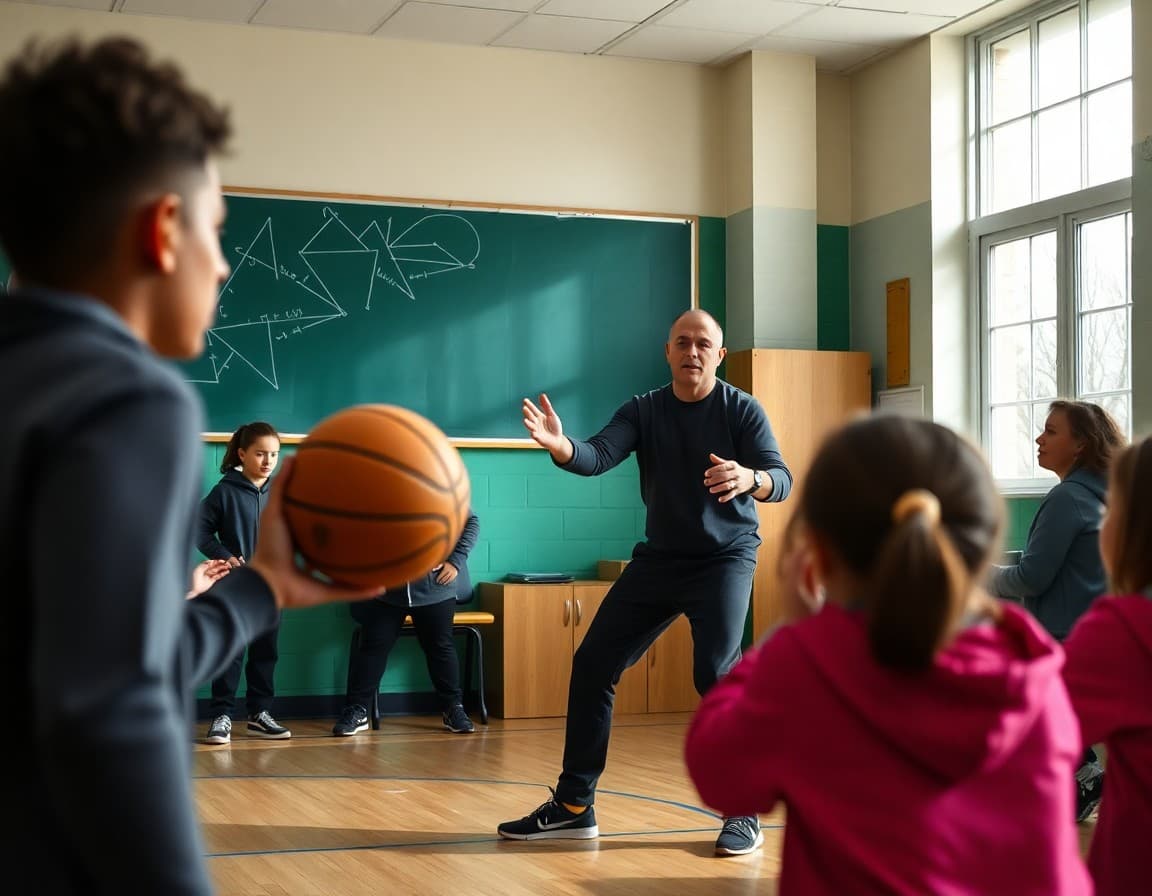
November is when the year starts to get complicated for physical activity. Weather shifts indoors, the holiday calendar brings schedule disruption, and family routines that supported fitness in September and October start to slip. A November PE newsletter that acknowledges these realities and gives families practical tools for staying active is one of the most useful communications of the year.
Update families on the current unit
Tell families what students are working on this month. Name the skills the unit develops and what you have observed about how students are engaging with the material. A specific observation, "students are showing significantly better defensive positioning this week compared to two weeks ago," is more useful than a general update.
Address the indoor transition if relevant
If weather or schedule has moved your class from outdoor to indoor activities, explain what indoor PE involves. Many families associate outdoor PE with rigor and indoor PE with free play. A newsletter that describes your indoor curriculum in specific terms, including the skills it develops and why it is equally valuable, prevents misunderstanding.
Encourage active habits through the holiday season
Name the challenge: holiday routines disrupt physical activity for many families. Then give specific, practical suggestions. Active holiday options that require no special equipment or planning. A morning walk before school events. Family games that involve movement. Limited screen time in favor of outdoor play during school breaks. Low-friction suggestions are the ones families actually implement.
"Over Thanksgiving break, the simplest thing you can do is take a 15-minute walk after a big meal. That single habit, if families make it part of the tradition, is one of the most valuable health contributions PE education can inspire."
Preview the winter curriculum
Tell families what units are coming in January and February. If you are transitioning to a fitness and wellness unit, a dance unit, or a different sport, give families a preview. Students who arrive at a new unit with some awareness of what is coming are more engaged from the first day.
Sample newsletter template excerpt
Dear PE Families,
November update: we are finishing the basketball unit this week and moving into a short floor hockey unit before winter break. Students have shown strong improvement in defensive positioning and ball-handling skills since October.
After winter break we will start our fitness and wellness unit, which includes cardiovascular training, strength basics, and a personal goal-setting component. More details in January.
Share mid-year fitness progress if available
If you have class-wide fitness data from a mid-year benchmark or informal assessment, share the trends in general terms. Families appreciate knowing that their child is part of a class that is making measurable physical progress, and that information makes PE feel like a class with real stakes rather than just scheduled movement.
Close with something specific from this week
A moment from the actual gym floor closes the newsletter with warmth and specificity. A student who found their stride in a drill that gave them trouble all October. A class that finally got the defensive rotation right. A game that ended with genuine sportsmanship from both sides. These details are what make a monthly PE newsletter feel like it comes from a real teacher who is paying attention.
Get one newsletter idea every week.
Free. For teachers. No spam.
Frequently asked questions
What should a November PE class newsletter cover?
November is when activity levels tend to drop as weather gets colder and the holiday season begins. A November PE newsletter should report on the current unit progress, encourage families to maintain active habits at home through November and December, and preview what the winter curriculum looks like. If students are approaching an indoor unit due to weather, explain what that looks like and how indoor PE maintains the fitness and skill development of outdoor units.
How do you encourage physical activity during the holiday season in a newsletter?
Acknowledge the challenge directly: the holidays bring travel, schedule disruption, and a lot of sitting still. A newsletter that names this and offers specific, low-friction activity suggestions gives families something to act on. 'A ten-minute family walk after Thanksgiving dinner. A trip to a local park over winter break. Active play with cousins when family visits.' Small suggestions that fit into holiday routines are more likely to happen than ambitious plans.
How do you transition between outdoor and indoor PE units in the newsletter?
When weather forces an indoor transition, families sometimes assume PE becomes less rigorous or less structured. A newsletter that explains what indoor PE looks like and why it is equally challenging prevents that assumption. Name the specific skills indoor units develop and how they compare to the outdoor units families are more familiar with.
What should the November newsletter say about fitness assessment progress?
If you have mid-year fitness data, share class-wide trends in the November newsletter. Students who can see their own improvement are more motivated to maintain their activity level through the holiday disruption. 'As a class, average cardiovascular endurance scores have improved since September. Individual benchmark data went home with students last week.'
How does Daystage help PE teachers send monthly newsletters efficiently?
Daystage makes it easy to maintain a consistent monthly newsletter schedule without spending excessive preparation time on each issue. A well-organized Daystage PE newsletter takes less time to build than a carefully formatted email and produces a more professional result that families are more likely to read and save.

Adi Ackerman
Author
Adi Ackerman is a former classroom teacher and curriculum writer with 8 years in K-8 schools. She writes about school communication, parent engagement, and what actually works in real classrooms.
More for Arts & Music
Ready to send your first newsletter?
3 newsletters free. No credit card. First one ready in under 5 minutes.
Get started free