
October PE Class Newsletter: What We Are Learning
The October PE newsletter arrives when families are settled into the school year routine and ready for a substantive update on what their child is learning in physical education. This is the moment to move beyond introduction and share specific skills, real progress, and practical suggestions that families can act on.
Name the current unit and what it is developing
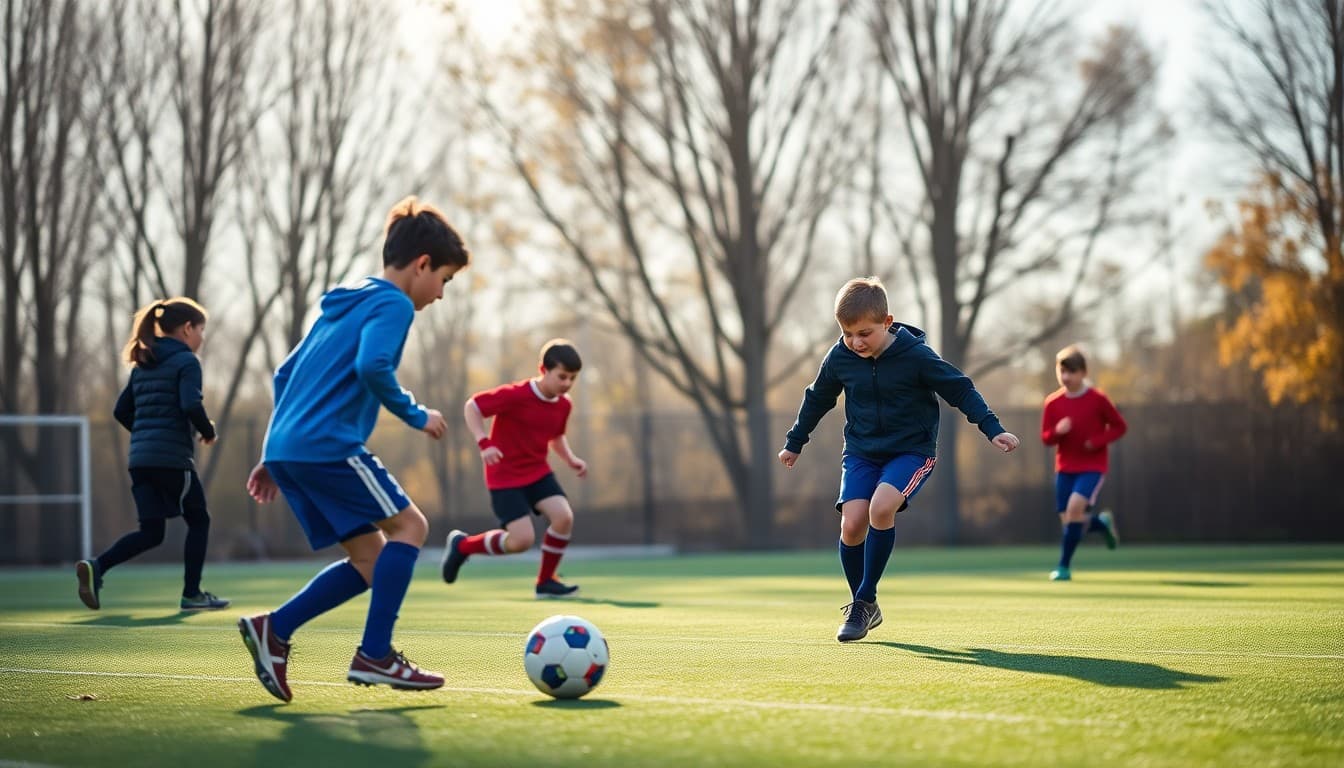
Tell families which unit students are in and what specific physical skills it develops. Not just "we are playing soccer" but "we are using soccer to develop spatial awareness, cardiovascular endurance, and cooperative strategy. Students are learning to read the field and make decisions under pressure, which transfers to any sport."
Describe the fitness baseline results class-wide
If you conducted a baseline fitness assessment in September, share the class-wide results in general terms. Not individual scores, but an honest description of where the class is starting. "This year's class started with strong flexibility and good cardiovascular base. The area we will focus on developing is muscular endurance."
Share what is working well in class
Name something specific that students are doing well. A skill that has developed faster than expected, a demonstration of sportsmanship that impressed you, or a unit component that students have taken particular interest in. Families who hear specific good news about PE class are more likely to ask their child about it at home.
Address any challenge the class is working through
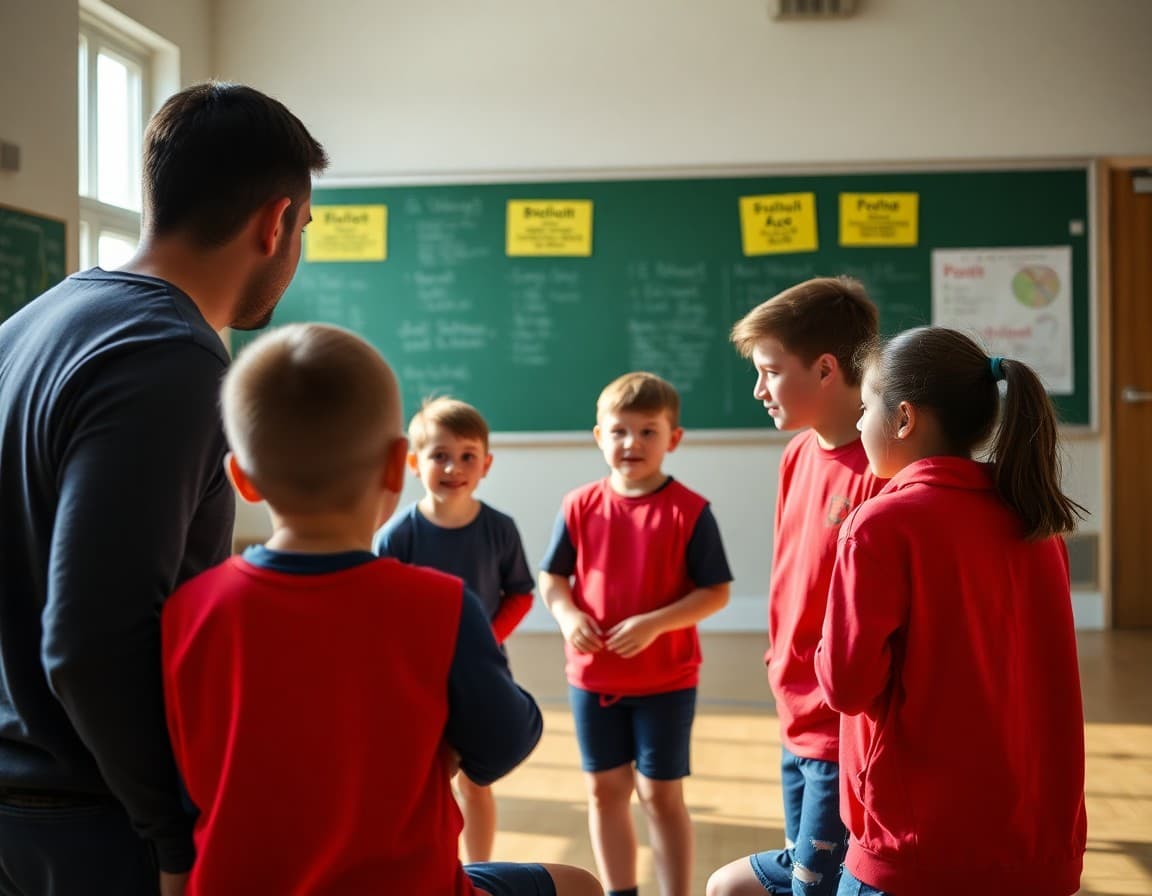
Name the difficulty honestly. If the class is struggling with a skill, name it and describe what you are doing about it in class. This kind of transparency builds trust and gives families useful context for conversations with their child. "We are working on ball control passing accuracy this week. It is harder than students expected and that frustration is normal and productive."
Sample newsletter template excerpt
Dear PE Families,
October update: we are in the second half of the soccer unit. Students are applying the passing and positioning concepts from September in full game play. The improvement in spatial awareness since week one is noticeable in every game.
In November we are starting the basketball unit. If your child has access to a ball and hoop at home, dribbling practice over the next two weeks is a great head start.
Suggest fall outdoor activities for home
October is one of the best months for outdoor family activity. Name two or three specific things families can do together: a neighborhood walk to observe fall changes, a trip to a local park, a backyard throwing and catching practice. Simple and specific beats ambitious and vague.
Preview November and the transition between units
Close the October newsletter with a preview of what is coming in November. Name the new unit, describe briefly what skills it develops, and give families any preparation suggestions. A student who arrives at the basketball unit already comfortable handling a ball has a better early experience and contributes to better class progress from the first day.
Get one newsletter idea every week.
Free. For teachers. No spam.
Frequently asked questions
What does the October PE class newsletter report on?
October is typically mid-way through the fall unit, which means students have been developing skills for about six weeks. The October newsletter should describe what skills the current unit is building, name any fitness improvements visible from the baseline assessment, and preview what is coming in November. It is also a good moment to address any common challenges you are seeing across the class and give families ways to help.
How do you communicate physical fitness improvements in a PE newsletter?
Describe progress in observational terms: students are demonstrating better endurance during cardiovascular activities, teamwork during game play has improved significantly, or students are applying strategy concepts they were introduced to in September. Avoid comparing students to each other or sharing individual scores publicly. Class-wide observations give families a sense of collective progress without identifying any individual student's fitness level.
How do you handle families asking why their child is not getting graded on physical ability?
A brief explanation of PE grading philosophy in the October newsletter prevents individual parent conversations about why athletic performance is not graded competitively. Explain that students are assessed on effort, improvement, sportsmanship, and skill development rather than outcomes. 'A student who shows full effort and significant improvement from their September benchmark is succeeding in PE, regardless of whether they score more goals than their classmates.'
What activities should the October PE newsletter suggest for home?
October is a good month for outdoor activity suggestions since the weather is still reasonable in most of the country. Suggest age-appropriate activities students can do with family: a weekend hike, a family bike ride, backyard games, or simply walking to school rather than driving. Activities that involve the whole family are more likely to happen than activities that require a child to self-organize without adult support.
How does Daystage help PE teachers stay consistent with monthly communication?
Daystage makes monthly PE newsletters easy to build and send consistently. When families receive a reliable monthly PE update through Daystage, they begin to expect and look forward to the communication rather than being surprised by it. Consistency in communication builds the same trust that consistency in curriculum does.

Adi Ackerman
Author
Adi Ackerman is a former classroom teacher and curriculum writer with 8 years in K-8 schools. She writes about school communication, parent engagement, and what actually works in real classrooms.
More for Arts & Music
Ready to send your first newsletter?
3 newsletters free. No credit card. First one ready in under 5 minutes.
Get started free