
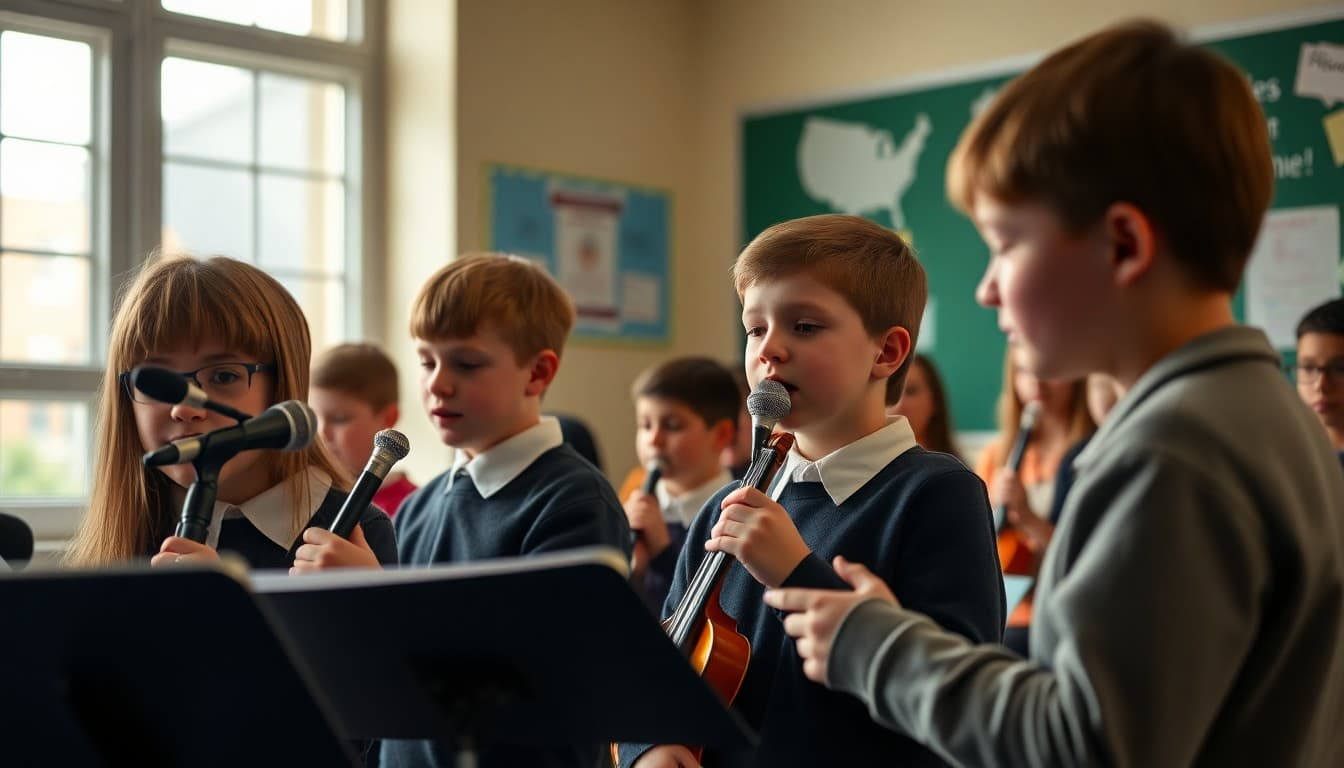
March Music Class Newsletter: What We Are Learning
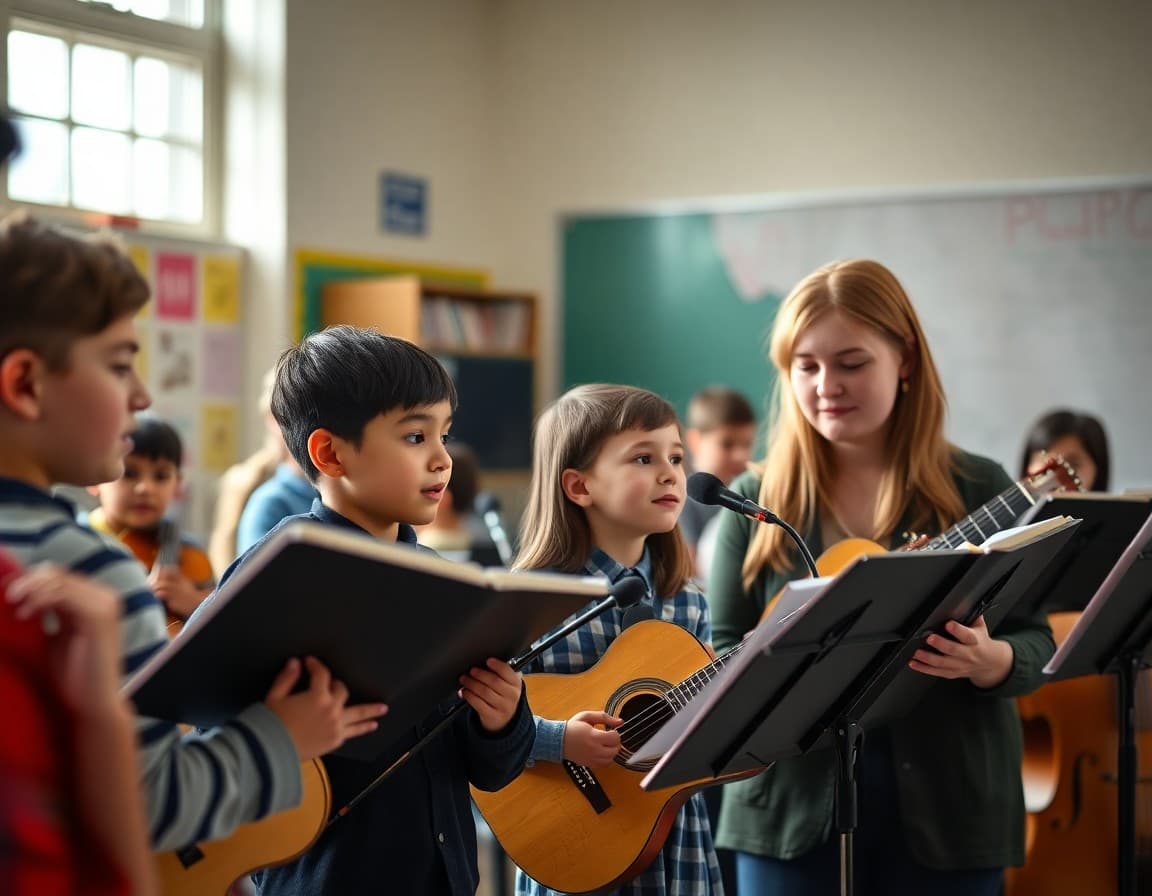
March is the best month in the music calendar for communication. Music in Our Schools Month gives every music teacher a cultural occasion to tell the program's story, and the approaching spring concerts give families a concrete reason to pay close attention. A March newsletter that uses both of these levers together is one of the most impactful of the year.
Connect to Music in Our Schools Month meaningfully
Do not just mention the month in passing. Use it as an occasion to share a specific number, a specific accomplishment, or a specific student story that demonstrates what music education produces. National recognition is most powerful when it is grounded in local specifics. "March is Music in Our Schools Month. Here is what that looks like in our program this year."
Name the spring concert program
Tell families exactly what students will perform in the spring concert. Name each piece, describe its style and difficulty, and say something about why it was chosen for this group at this moment in the year. Families who understand the repertoire listen to it differently at the concert.
Describe the rehearsal focus right now
March rehearsals are usually about polishing rather than learning. Describe what polishing looks like: which passages are being cleaned, what technical skills are being refined, what the ensemble sounds like now compared to January. Families who know what 'cleaning a passage' means can have a more specific conversation with their child about practice.
Give families a specific practice assignment
Name a specific section or skill for home practice this week. "The opening of 'Springtime Overture' at measures 1-16 should be solid by Monday. Ask your child to play it for you at full tempo. If it is not solid yet, this is the week to focus there." This kind of specific assignment turns the newsletter into a practice resource.
Sample newsletter template excerpt
Dear Music Families,
March is Music in Our Schools Month. To mark it, I want to share something specific: this ensemble can play things in March that would have been impossible in September. That is real. It is the result of consistent practice and consistent rehearsal and it is worth celebrating.
Spring Concert is Thursday, May 8th at 7:00 PM. Student call time 6:15 PM. Concert dress all-black. Three weeks of concentrated practice between now and May will determine how that evening sounds.
Share any upcoming festival results or events
If students participated in solo and ensemble festival in February or March, share results in the newsletter. Name any superior ratings, outstanding soloists, or groups who received recognition. Recognition shared in the newsletter reaches families who did not attend the festival and tells the whole community that the program is producing excellent work.
Close with what you are looking forward to in April and May
End the March newsletter by naming what is coming. The remaining rehearsals, the dress rehearsal, the concert itself. Build toward the end of the year with the energy of someone who knows the work is nearly done and is proud of what it has produced.
Get one newsletter idea every week.
Free. For teachers. No spam.
Frequently asked questions
What makes March special for school music programs?
March is Music in Our Schools Month, the national recognition of music education established by the National Association for Music Education. The month provides a cultural occasion to celebrate what the music program does and to share the program's work with a broader audience. A March newsletter that connects to Music in Our Schools Month gives the program a public-facing moment to demonstrate its value, which is useful both for family engagement and for advocacy with administrators.
How should a March music newsletter celebrate the program without being self-congratulatory?
The most effective celebration focuses on students, not the program or the teacher. Describe specific things students have accomplished this year, name the growth visible between September and March, and let families understand what that growth represents in terms of real musical skill. A newsletter that says 'our students can now do X, which they could not do in September,' is celebration that has substance behind it.
How do you connect spring concert preparation to the March newsletter?
March is typically the final stretch before spring concerts, which means rehearsals are intensifying. A newsletter that names where the ensemble stands, what is being polished, and what families can do to support the final push makes families active partners rather than passive observers. Include a specific practice focus and an updated concert reminder with all logistics.
Should the March newsletter include anything about Music in Our Schools Month events?
If your school is doing anything special for Music in Our Schools Month, the March newsletter should include those events. If there is a school-wide assembly, an open rehearsal for parents, a student spotlight series, or any community performance, announce it with dates and details. If there are no special events, you can still acknowledge the month and use it as a reason to share what the program has accomplished.
How does Daystage help music teachers celebrate Music in Our Schools Month?
Daystage gives music teachers the tools to build a March newsletter that looks as strong as the program it represents. Photos from rehearsals, student quotes, a full spring calendar, and a note about Music in Our Schools Month all in one polished Daystage newsletter creates a communication that families will share and that administrators will notice.

Adi Ackerman
Author
Adi Ackerman is a former classroom teacher and curriculum writer with 8 years in K-8 schools. She writes about school communication, parent engagement, and what actually works in real classrooms.
More for Arts & Music
Ready to send your first newsletter?
3 newsletters free. No credit card. First one ready in under 5 minutes.
Get started free