
Film Class Newsletter: Production and Screening Updates
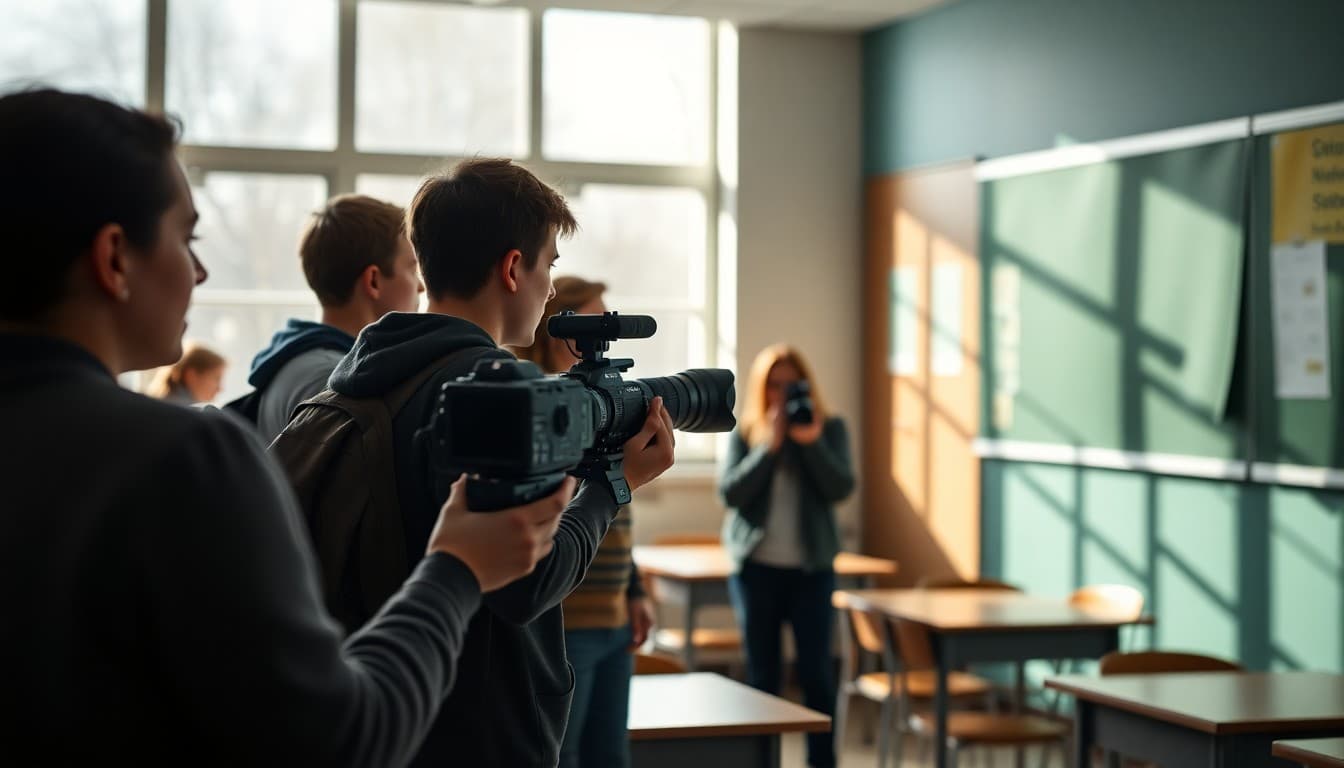
Film class newsletters can share actual clips of student work, which makes them uniquely compelling among all school communications. Use that advantage, but make sure families also understand the invisible work: the weeks of planning, failed takes, and editing decisions that produce those few minutes of finished film.
Explain the full film production process at the start of the year
Many families picture film class as pointing a camera at something. The reality is a multi-stage production process that looks more like project management than creative play. Describe all three stages once, early, so families have a framework for the rest of the year.
"Film production has three phases. Pre-production is everything that happens before filming begins: writing the script or treatment, drawing the storyboard, scouting locations, casting, scheduling, and planning every shot. Production is the filming itself. Post-production is everything that happens after filming: editing, color grading, sound design, music, visual effects, and titles. Most professional films spend more time in pre-production and post-production than in production. Students are learning to respect that ratio."
Describe the current project and its specific production challenge
Every film project has a central technical or creative challenge. Name it so families understand what their child is working through when they mention class at dinner.
"This month's project is a three-minute documentary about a person in our school community. The challenge is interviewing: how to ask questions that produce specific, telling answers rather than generic ones. Students are learning that the best documentary footage comes from listening carefully and following up on the unexpected detail, not from following a rigid question list."
Cover the editing process with enough detail to make it tangible
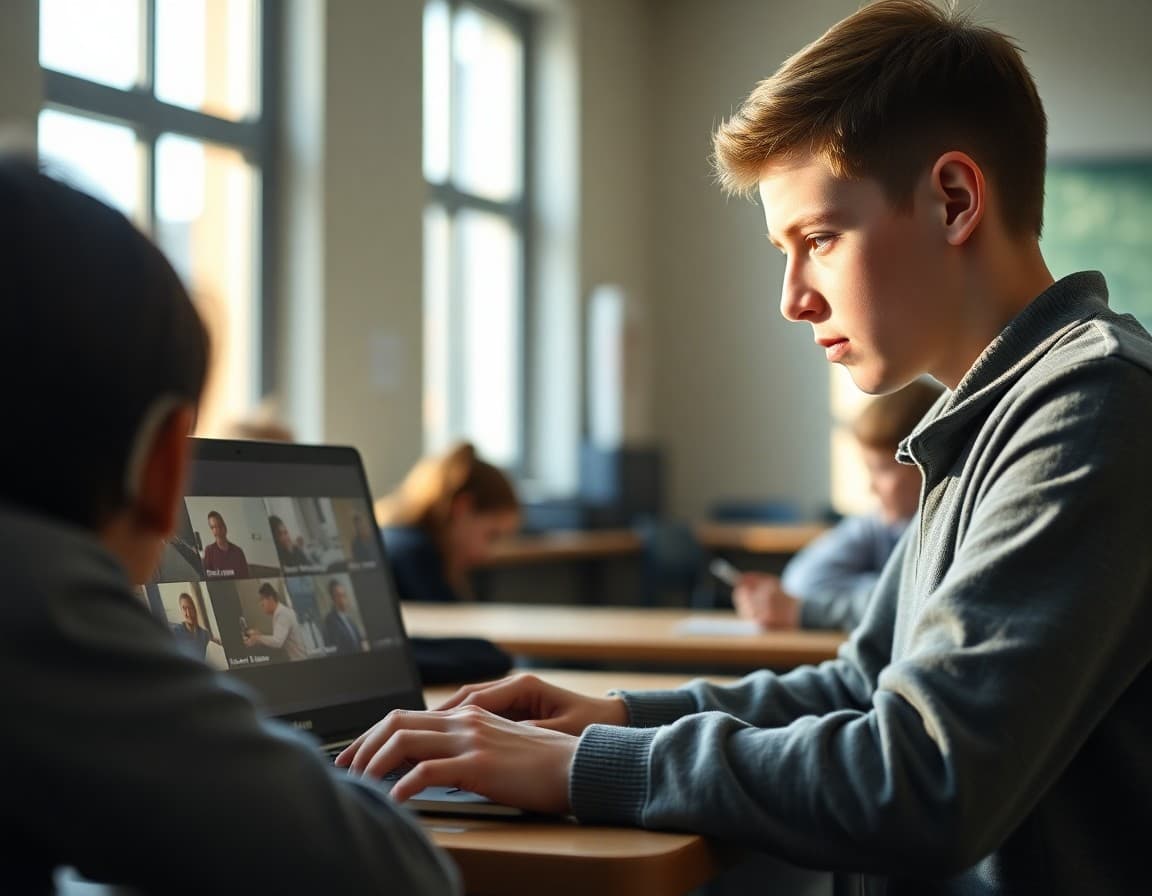
Editing is the most time-intensive and least visible part of film production. Families who see their child sitting at a computer for three weeks without anything new to show may wonder what is happening. Describe what editing work looks like from the inside.
"Students are in the editing phase of the documentary project. A three-minute film typically involves reviewing two to four hours of raw footage to find the best material, making hundreds of edit decisions about where each cut falls, matching audio to the right visual, and adjusting the pacing until the story flows correctly. The edit decisions are invisible to the viewer but they determine whether the film works or does not. Students are spending approximately six hours on post-production for every one minute of finished film."
Build anticipation for the screening event
A film screening is a unique school event because families actually see the finished product their child created. Build anticipation with a proper screening invitation: the date, the running time, the venue, and a brief description of what types of films will be screened.
"The semester screening is December 12th at 6 PM in the auditorium. Twelve student films will be shown, ranging from three to eight minutes each. Total running time is approximately 55 minutes. Genres include short documentary, comedy sketch, music video, and experimental short. Students should arrive by 5:45 PM to test audio and confirm their file is loading correctly."
Sample newsletter template excerpt
Film class update: we are two weeks into production on the documentary unit. Here is what students are navigating this week:
Most interview footage is in the can. Three teams are still scheduling follow-up interviews because their first session did not get the specific material they needed. That is not a failure; it is a normal part of documentary production. The students who scheduled follow-ups identified exactly what was missing and went back for it. That is professional thinking.
Editing begins next Monday. Rough cuts are due November 22nd. Final cuts are due December 5th. Screening is December 12th.
Describe cinematic concepts students are analyzing
Film analysis is the other side of film production. Students who understand why a particular camera angle creates a specific emotional effect make better creative choices in their own work. When students are analyzing specific films in class, describe what they are looking at and why.
"This week students analyzed the opening sequence of Parasite for its use of overhead camera angles and confined space to establish the economic circumstances of the main family before a single word of dialogue is spoken. Understanding how filmmakers communicate information visually makes students more intentional about their own camera choices."
Connect filmmaking to media literacy and professional careers
Students who understand how films are made look at media differently: they notice editing choices, sound design, and visual framing in everything they watch. That media literacy is practically valuable regardless of whether students pursue film professionally. For those who do, careers in film, television, advertising, journalism, social media content, and corporate communications all draw on production skills.
Get one newsletter idea every week.
Free. For teachers. No spam.
Frequently asked questions
What do students learn in a school film production class?
Film production students learn pre-production skills including screenwriting, storyboarding, shot planning, and production scheduling. During production, they learn camera operation, lighting design, sound recording, and directing actors or documentary subjects. Post-production covers video editing using software like Adobe Premiere or DaVinci Resolve, sound design, color grading, and adding titles and credits. Students also analyze existing films to understand cinematic language: how camera angles, editing pace, music, and color choices communicate meaning to an audience.
How long does a student film take to complete in a school class?
A typical three to five minute student film takes three to six weeks in a class setting: one week of pre-production and planning, one to two weeks of production, and one to two weeks of editing and post-production. Longer or more complex projects take proportionally more time. The editing phase is often the most time-consuming and least visible to families, which is worth explaining in the newsletter because students who appear to be sitting at a computer for weeks are doing intensive creative work.
What is a film screening and how should a newsletter describe it?
A student film screening is the equivalent of an art exhibition or a music concert: it is the public presentation of finished work that students have spent weeks creating. Screenings typically take place in a classroom, auditorium, or theater and include all completed student films shown in sequence. Families are invited as audience members. An after-screening discussion where students answer questions about their production choices adds significant educational value. A newsletter should describe the screening format, the total running time, whether there will be discussion, and what families should expect to see.
What equipment do school film production programs typically use?
Most school film programs use DSLR or mirrorless cameras for shooting, audio recorders or lavalier microphones for sound, LED panels or continuous lights for controlled lighting, gimbals or tripods for stabilization, and laptop computers with professional editing software for post-production. Some programs use smartphones for certain assignments, which is a legitimate choice given the quality of modern phone cameras. Equipment descriptions in the newsletter help families understand the professional-grade tools their child is learning to operate.
How does Daystage help film teachers communicate with families?
Daystage lets film teachers share clips from student productions, screenshots from the editing process, and screening invitations directly in the newsletter. When families receive a Daystage newsletter with a short clip from their child's film in progress alongside a description of the production challenge being worked through that week, the class becomes tangible and the screening invitation arrives with anticipation already built.

Adi Ackerman
Author
Adi Ackerman is a former classroom teacher and curriculum writer with 8 years in K-8 schools. She writes about school communication, parent engagement, and what actually works in real classrooms.
More for Arts & Music
Ready to send your first newsletter?
3 newsletters free. No credit card. First one ready in under 5 minutes.
Get started free