

Fall Concert Newsletter: Kicking Off the Music Season
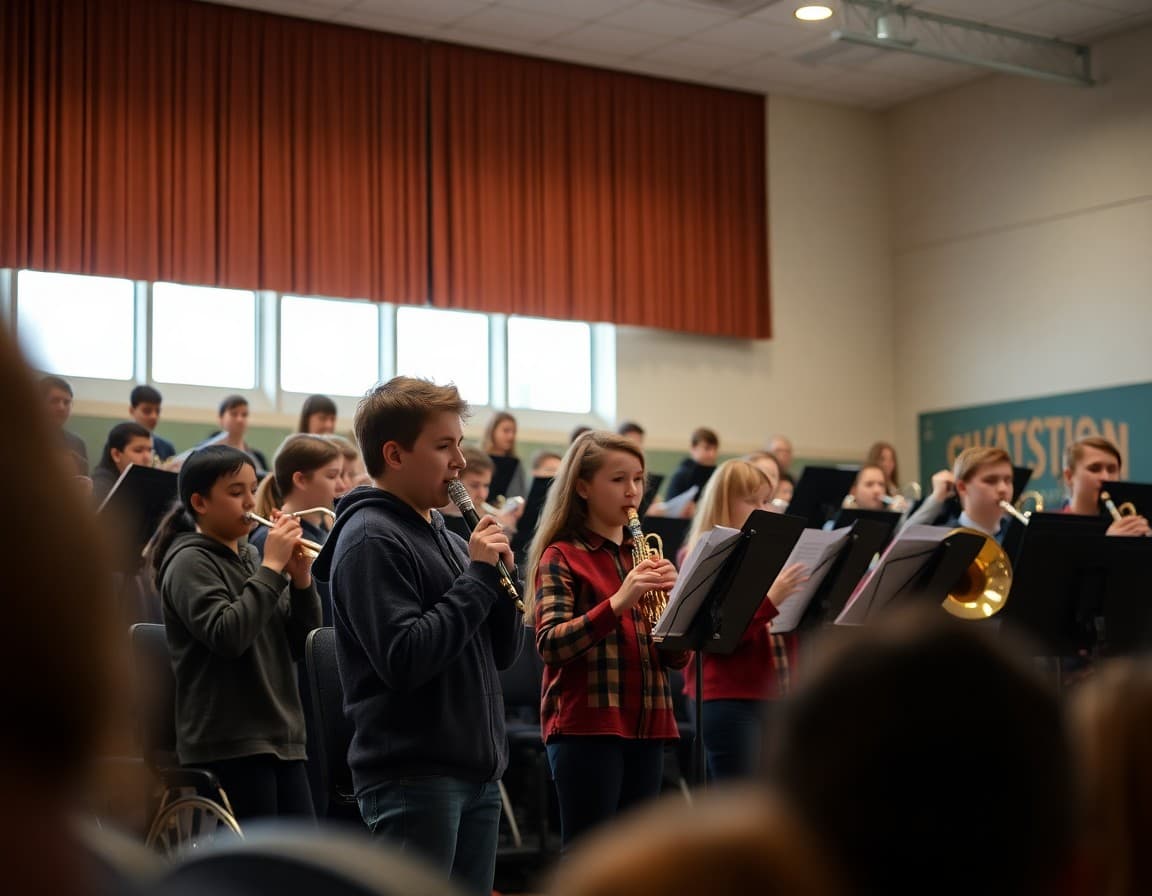
The fall concert newsletter is introducing the program to new families and welcoming back returning ones at the same time. It needs to orient newcomers without boring veterans, build excitement for the concert, and set the tone for the year. Do all three clearly and you have a newsletter worth keeping.
Welcome new students and families explicitly
The fall concert often includes the largest number of first-time performers of any concert in the year. A newsletter that acknowledges new students specifically, without singling out individuals who might prefer not to be spotlighted, creates a welcoming tone that new families remember.
"This fall's concert includes 34 new members across our three ensembles. Many of them are performing for the first time in front of an audience. If you are the family of a first-time performer, we want you to know that what you are about to see represents six weeks of work that would not have been possible in September. Your student is genuinely playing things they could not play before. Notice that."
Introduce the year's program direction and vision
The fall concert is a good moment to introduce what the music program is working toward this year. What musical goals has the director set for each ensemble? What is the overarching vision for the year's programming?
"This year, the concert band is focusing on expressive playing, using dynamic contrast and phrasing to make the music communicate beyond technical accuracy. You will hear that work in tonight's program. The choir is focusing on vowel unification and blend. The jazz ensemble is developing improvisation skills. Those goals will be audible by the spring concert."
Describe the fall program with specific piece descriptions
Explain what is on the program and why these pieces were chosen for this specific group at this specific moment in the year. Families who understand that the repertoire was chosen intentionally listen differently.
"Concert band is opening with Holst's First Suite in E-flat, a piece that gives every section of the band an exposed moment. We chose it because six weeks into the year is exactly when players need to hear themselves clearly rather than hide in the group. It is also beautiful, and the auditorium sounds extraordinary on the opening theme."
Set expectations about the performance level appropriately
A fall concert represents the work of six to eight weeks. Families who arrive expecting the polished sound of a spring performance are sometimes surprised. A newsletter that honestly sets expectations helps families hear and appreciate what they are actually witnessing.
"Six weeks is not long to prepare a concert program. You will hear confident playing and you will hear some roughness at the edges. Both are normal for October. The roughness at the edges is where the growth happens between now and May. By the spring concert, you will hear the same ensemble on completely different pieces, and the difference will be obvious."
Sample newsletter template excerpt
Fall Concert: Thursday, October 17th, 7 PM, Main Auditorium.
Student call time: 6:15 PM. Doors open: 6:30 PM. Concert begins: 7:00 PM. Running time: approximately 60 minutes.
Concert dress: all-black formal attire. Students who need to borrow any concert dress items should see their director by tomorrow.
After the concert, the music booster club is hosting a brief reception in the band room lobby. All families are welcome. Boosters will have information about how to get involved with the program this year.
Invite booster club involvement at peak enthusiasm
The fall concert is the best recruitment moment for parent volunteers and booster club members. Families who attend the fall concert and feel the energy of seeing their child perform for the first time are at the peak of their enthusiasm and receptivity for getting involved.
Include a simple, specific call to action: a link to sign up for the booster club, a volunteer list for the concert itself, or an invitation to the post-concert reception where booster leadership will be available to answer questions.
Build anticipation for the winter and spring performances
The fall concert newsletter is the first in a series. Mentioning that there are two more concerts this year, each building on what families hear tonight, creates anticipation and ensures that families put the later concerts on their calendar early rather than discovering a schedule conflict in December or May.
Get one newsletter idea every week.
Free. For teachers. No spam.
Frequently asked questions
What is the purpose of a fall concert in the context of the full school year?
The fall concert serves as the first public milestone of the year for music ensembles. It gives students an early performance goal to work toward, which accelerates the learning pace compared to programs with only spring performances. For new students joining an ensemble for the first time, the fall concert provides their first experience of performing for a real audience, which is one of the most powerful formative experiences music education offers. For families, the fall concert establishes the tone and level of the program for the year.
How do you introduce new students and new families to the music program at the fall concert?
The fall concert is often the first time new families enter the performance space and see the ensemble perform. A newsletter that explains the program's structure, introduces the director, and describes what new students have been working on since September creates an onboarding experience for new families who have not yet seen the program in action. Including a note about the new students joining each ensemble, without embarrassing individual students, gives their families a specific reason to feel welcomed.
How do fall concert programs differ from spring programs in terms of repertoire?
Fall concert programs are typically more conservative than spring programs because ensembles have had less time to prepare. Directors often choose repertoire that is slightly below the ensemble's ultimate capability to ensure confident, polished performances rather than ambitious but uncertain ones. The fall concert is a strong debut, not a ceiling. A newsletter that sets this expectation, 'what you hear tonight represents six weeks of work; by May it will sound completely different,' helps families calibrate their expectations and builds anticipation for the full year.
How do you build parent support for the music program at the first concert of the year?
The fall concert is the best recruitment moment for music program support because family enthusiasm is highest at the first performance of the year. A newsletter that includes a brief section about the music booster club, upcoming fundraising needs, and volunteer opportunities reaches families at their most receptive moment. Families who join the booster club in October maintain that involvement throughout the year. Families who are not invited in October often do not get involved at all.
How does Daystage help music teachers communicate about the fall concert?
Daystage lets music teachers send the fall concert newsletter with the program, logistics, and an introduction to the year in one clean format that families can save and reference. When a new family receives a Daystage newsletter welcoming them to the music program and describing exactly what to expect at the fall concert, they arrive as informed audience members rather than uncertain newcomers. That first experience shapes their relationship with the program for the rest of the year.

Adi Ackerman
Author
Adi Ackerman is a former classroom teacher and curriculum writer with 8 years in K-8 schools. She writes about school communication, parent engagement, and what actually works in real classrooms.
More for Arts & Music
Ready to send your first newsletter?
3 newsletters free. No credit card. First one ready in under 5 minutes.
Get started free