
April Art Class Newsletter: What We Are Learning
April is the month when art teachers get the cultural calendar on their side. National Arts Month provides an external occasion to celebrate the work students have been doing all year and to invite families into a conversation about why arts education matters. Use it. A newsletter sent in April with genuine specificity about student work and program impact is one of the most effective communications of the year.
Acknowledge National Arts Month and make it mean something specific
Do not just name-drop the occasion. Tell families one thing about your program that you want them to know this April. What has the class accomplished this year that represents the value of arts education? A specific program accomplishment, named in the context of National Arts Month, is more persuasive than a general statement about the importance of the arts.
Feature student work prominently
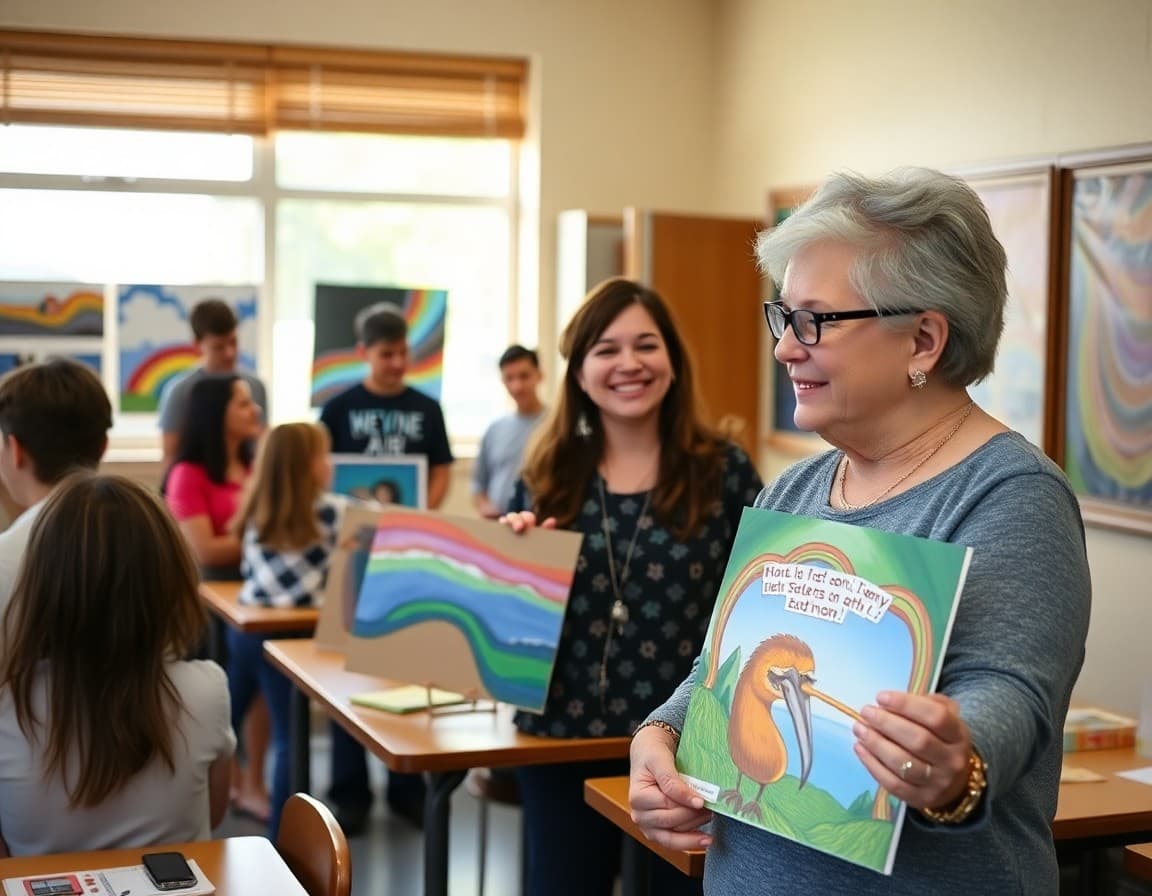
April is the right time to share photos or descriptions of the best work students have made this year. If you can include a gallery of student pieces in a Daystage newsletter, do it. Families who see their child's work featured in the newsletter feel recognized. Families who see other students' work get a sense of what the program produces. Both outcomes strengthen family investment in the arts program.
Confirm spring show details
If you announced a spring show in March, confirm the details now. Date, time, location. What families will see. Whether their child will be presenting or just displaying work. What they should wear if the event has any dress expectations. Whether there is food or refreshments. The more complete this information is in April, the fewer questions you will receive in May.
Name what makes this class outstanding
Every class has something that distinguishes it. Name it in your April newsletter. Not empty praise but specific observation: "This group has been unusually willing to start over when something is not working. That habit of revision is one of the most important things a young artist can develop." Families read that and feel proud. Students hear about it at home and feel seen.
Sample newsletter template excerpt
Dear Art Families,
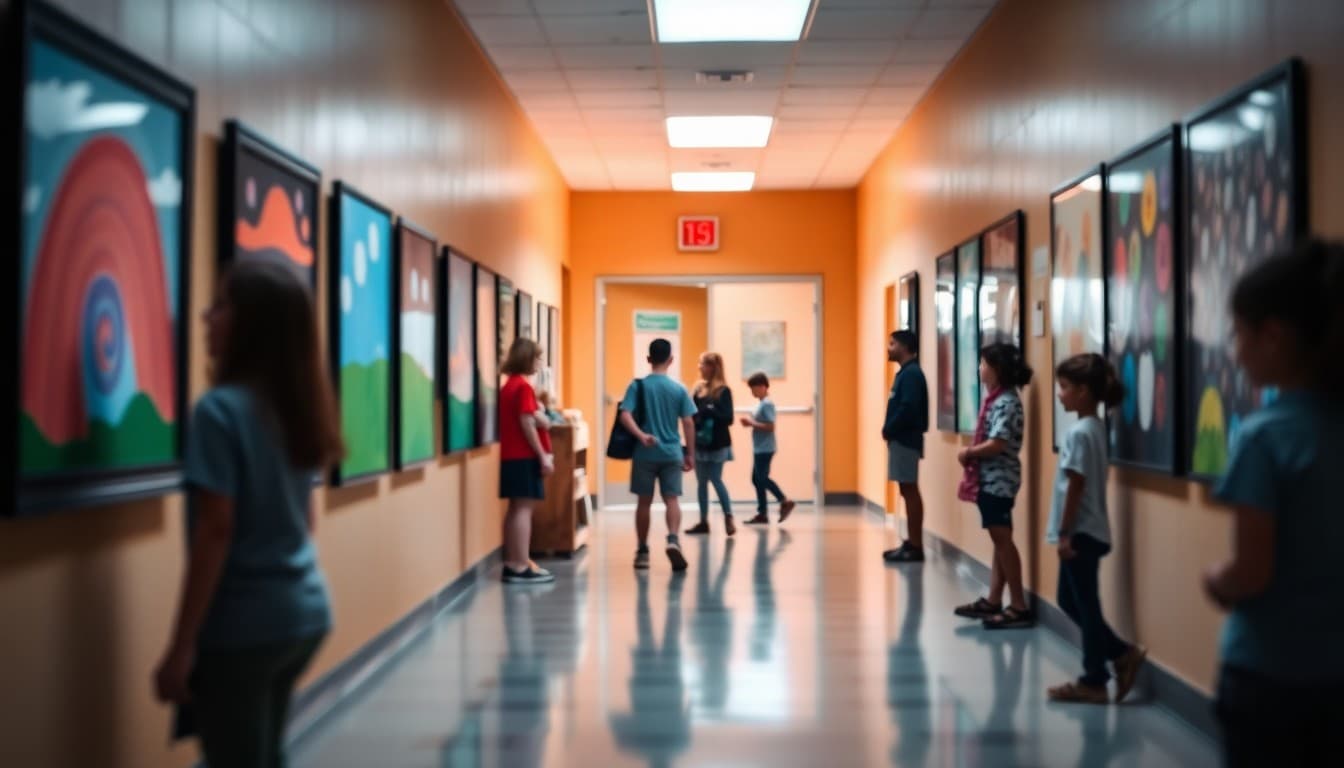
April is National Arts Month and I want to use this newsletter to share something we have been working toward all year. Attached are photos from our current exhibition in the school library. Every piece is from a student in this class. Every piece represents a skill they did not have in September.
The Spring Art Show is confirmed for Friday, May 16th at 6:00 PM in the main hallway and gymnasium. No RSVP required. Students should arrive by 5:45 PM.
Share any special April activities
If you have a visiting artist, a special project, or a community event happening in April, include it here. April is a good month for collaboration and community connection because the energy of National Arts Month makes these activities feel natural rather than out of the ordinary.
Build anticipation for the end of the year
Close the April newsletter by naming what the final weeks of the year will look like. The last project, the spring show, the portfolio review, the last day in the art room. Families who have a clear picture of how the year ends feel the arc of the program rather than just the individual newsletters along the way.
Get one newsletter idea every week.
Free. For teachers. No spam.
Frequently asked questions
How should art teachers use National Arts Month in April communications?
April is National Arts Month and a natural hook for an art class newsletter. The month gives art teachers an external reason to celebrate the program and invite families to pay attention to what students are making. Use the occasion to share student work, describe what the art program contributes to the school, and name any special activities planned. National Arts Month is a cultural moment when families are more receptive than usual to news about arts education.
What spring events should an April newsletter promote?
April newsletters should confirm all spring events with firm dates, times, and locations. Any art shows, gallery walks, portfolio presentations, or culminating exhibitions that are within the next six weeks should be featured prominently with the information families need to attend. If an event requires RSVPs, include the link and deadline. If students need to be there by a specific time, include that detail.
How do you handle end-of-year portfolio work in an April newsletter?
If students are doing portfolio reviews or presenting work at year-end, April is when those expectations should be clearly communicated. Tell families what the portfolio review involves: how students select work, what they present, how they are assessed, and when families will receive the portfolio at home. Families who understand the process value it more than families who receive a stack of artwork at the end of June without context.
Should the April newsletter feel different from other monthly newsletters?
April newsletters benefit from a celebratory tone that fits the season and the occasion of National Arts Month. This does not mean less substance, but it does mean more student work, more specific recognition of what students have accomplished, and more genuine enthusiasm about the final weeks ahead. The April newsletter is one of the best moments to make families feel proud of the art program their child is part of.
How does Daystage help art teachers celebrate National Arts Month?
Daystage lets art teachers build a visually rich April newsletter with student artwork photos, event announcements, and celebration content in a format that looks like it was professionally designed. A Daystage National Arts Month newsletter that families share with each other extends the program's visibility beyond the families who receive it directly.

Adi Ackerman
Author
Adi Ackerman is a former classroom teacher and curriculum writer with 8 years in K-8 schools. She writes about school communication, parent engagement, and what actually works in real classrooms.
More for Arts & Music
Ready to send your first newsletter?
3 newsletters free. No credit card. First one ready in under 5 minutes.
Get started free