

Adaptive Learning Technology Newsletter for Families
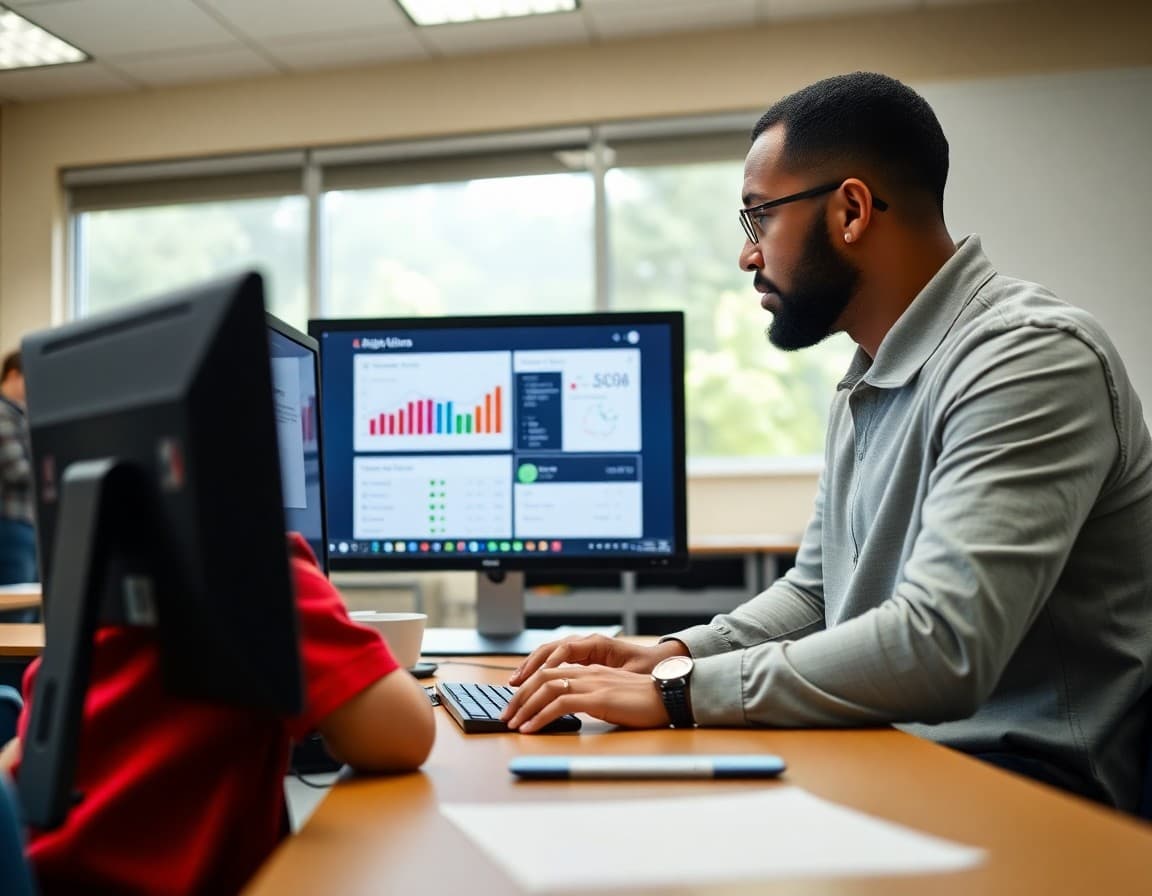
Adaptive learning platforms are some of the most powerful educational technology tools in K-12 schools today. They give every student a personalized path through content rather than a one-size-fits-all progression. But most families have no idea what adaptive learning is or why their child might be working on content that looks different from what they expected. A dedicated newsletter explains how these tools work, what the data means, and how families can be informed partners in a technology-driven learning process.
How Adaptive Platforms Work
The core mechanism of adaptive learning is item response theory applied in real time. When a student answers a question correctly, the system increases the difficulty of the next question. When they struggle, the system identifies the underlying skill gap and provides targeted practice on that gap before moving forward. This creates a learning path that is different for every student, even within the same classroom. A student who has mastered multiplication will see division and fraction problems. A student still working on multiplication will see more multiplication practice with different problem types. Both are using the same platform, but experiencing entirely different content.
Common Adaptive Platforms Your School May Use
The most widely used adaptive learning platforms in K-12 schools each have different subject strengths. IXL covers math and language arts from kindergarten through twelfth grade, presenting unlimited adaptive practice within specific skill categories. Lexia Core5 and Lexia PowerUp are adaptive reading programs designed for elementary and secondary students respectively. DreamBox is a math-focused adaptive platform particularly strong in elementary grades. Khan Academy offers free adaptive pathways in math and science. Carnegie Learning is widely used for high school mathematics. Your newsletter should name the specific platforms your school uses rather than describing adaptive learning generically.
What the Data Means for Families
Parents who log into an adaptive platform and see their child working at what looks like a lower level than expected often feel alarmed. The newsletter should help families interpret this correctly. An adaptive platform starts every student at a calibration point and adjusts rapidly based on performance. A student who appears to be working below grade level in the first week may be at or above grade level by week four as the system learns their actual skill profile. More importantly, grade-level comparisons are less meaningful than growth comparisons. A student who improves their IXL score from 78 to 92 in reading over three months is showing significant growth regardless of where that score sits relative to a grade-level benchmark.
How Teachers Use Adaptive Data
Teachers access detailed classroom-level and individual student reports from adaptive platforms that inform their instruction planning. If an entire class is struggling with a specific math concept in IXL, the teacher adjusts the lesson plan to address that gap directly rather than moving on. If a few students are racing ahead of grade-level content, the teacher can provide enrichment activities. Adaptive data does not replace teacher judgment. It gives teachers faster and more specific information about what students know than a weekly quiz can provide. Your newsletter can help families understand that the data their child generates in these platforms is used by teachers, not just algorithms.
Sample Template Excerpt
Here is a section you can adapt for your own newsletter:
Understanding Adaptive Learning: How IXL and Lexia Work for Your Child
Two of the platforms your child uses adapt to their individual level in real time. Here is what that means.
IXL Math and Language Arts: IXL presents problems and adjusts difficulty based on how your child responds. If they get several answers right in a row, IXL moves to harder content. If they struggle, it presents similar problems from a different angle. The SmartScore your child earns in each skill reflects their consistent mastery, not just whether they got today's problems right.
Lexia Core5: Lexia places your child at their current reading level and builds skills systematically. Students who work in Lexia at home for 20 minutes per week make measurably more progress than those who only use it at school. To access Lexia at home, your child logs in with their school Google account at lexialearning.com.
Accessing Family-Facing Progress Reports
Several adaptive platforms provide family-accessible reports that show skill progress, time spent, and suggested areas for focus. Walk families through how to access these reports for each platform your school uses. IXL shows a Family Report that lists skills your child has practiced and their current SmartScores. Lexia sends a monthly progress email to parents who have been added to the system by the teacher. DreamBox has a family dashboard accessible through a direct login. Include the specific steps to access each report so families can engage with the data rather than just receiving general descriptions of its existence.
Using Adaptive Progress Data Without Creating Anxiety
Some families become overly focused on adaptive scores and push students to spend excessive time on platforms outside of school. This can be counterproductive. Adaptive platforms work best when students are engaged, not exhausted. Fifteen to twenty minutes of focused practice outside school hours is typically more effective than an hour of tired, unfocused clicking. Encourage families to use progress reports as a conversation starter rather than a performance target. "I see you worked on fractions this week. Can you show me what you were working on?" builds engagement more effectively than "Your IXL score went down. You need to practice more."
Get one newsletter idea every week.
Free. For teachers. No spam.
Frequently asked questions
What is adaptive learning technology?
Adaptive learning technology is software that adjusts the difficulty, pace, and type of content presented to a student based on their individual responses. When a student answers a question correctly, the system presents a harder question. When they struggle, it steps back to a foundational concept before moving forward. This approach means two students using the same platform will have entirely different experiences based on their respective skill levels. Common examples include IXL, Lexia, DreamBox, Khan Academy, and Carnegie Learning.
How accurate is adaptive learning at assessing a student's level?
Adaptive platforms use item response theory and machine learning to build increasingly accurate models of a student's skill level over time. Early sessions may feel either too easy or too hard as the system calibrates. After a few hours of use, most platforms produce skill estimates that correlate well with traditional assessment results. Teachers use adaptive data as one input alongside classroom observation and formal assessments, not as a standalone determination of student level.
Can parents see their child's progress in adaptive learning platforms?
Most major adaptive platforms have parent-facing reports or family dashboards. IXL shows skills mastered and time spent per subject. Lexia provides reading level benchmarks and lesson completion data. DreamBox shows math concept progress and suggested areas for focus. The specific reports available depend on the platform and whether your district has enabled parent access. Your newsletter should explain how to access the family view for each platform your school uses.
Is it a concern if a student's adaptive level is significantly below grade level?
An adaptive platform showing a student working below grade level reflects the student's current starting point, not a fixed limitation. Most platforms focus on growth over time rather than comparing a student's level to a grade expectation. If a family has concerns about their child's progress, the right conversation is with the classroom teacher, who can explain the data in context alongside other classroom observations. A single adaptive platform score, taken alone, is not a sufficient basis for concern or celebration.
How does Daystage help schools communicate about adaptive learning tools?
Daystage makes it easy to send a family-friendly newsletter explaining which adaptive platforms your school uses, how to access family-facing progress reports, and how to use adaptive data to have better homework conversations. When a school introduces a new adaptive tool mid-year or updates the platform, Daystage lets you send a targeted update to all affected families immediately, keeping communication timely rather than waiting for the next quarterly newsletter.

Adi Ackerman
Author
Adi Ackerman is a former classroom teacher and curriculum writer with 8 years in K-8 schools. She writes about school communication, parent engagement, and what actually works in real classrooms.
More for Technology
Ready to send your first newsletter?
3 newsletters free. No credit card. First one ready in under 5 minutes.
Get started free