

Superintendent Newsletter: Hosting a Community Listening Session
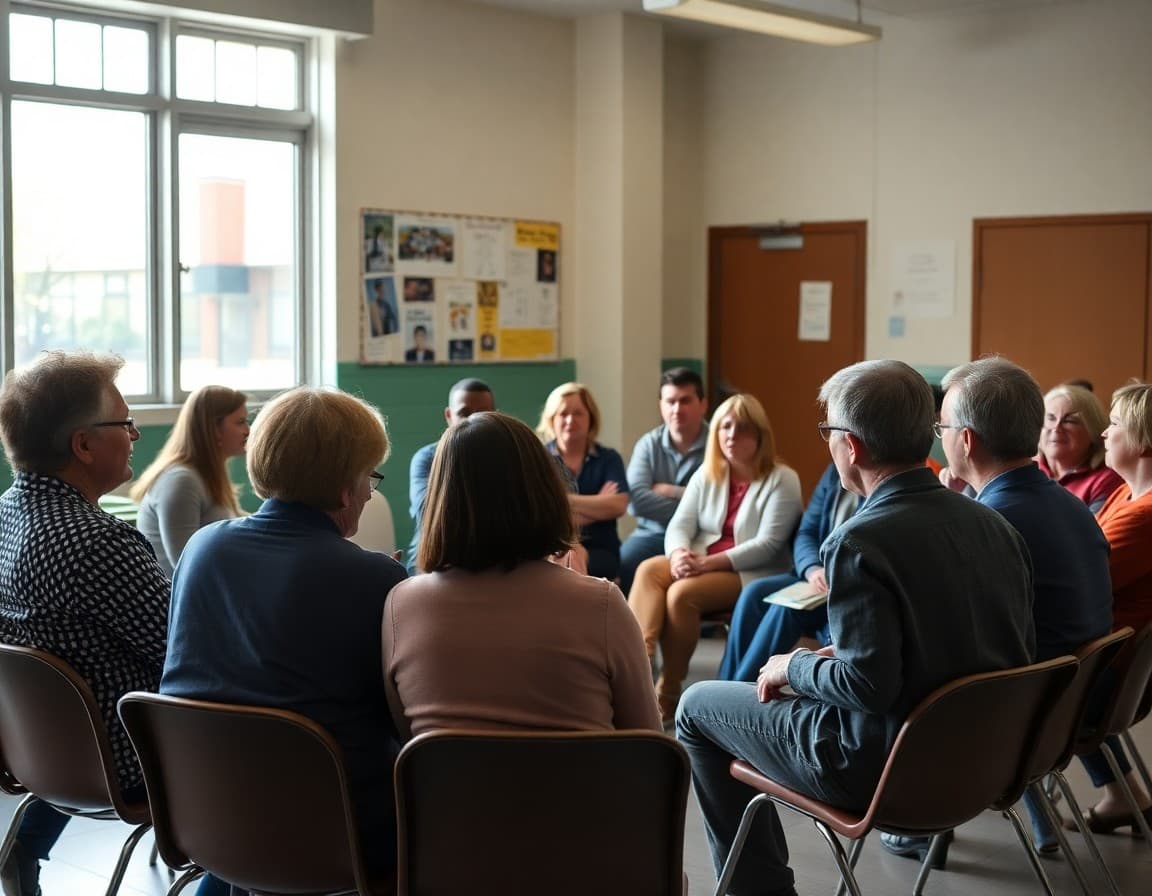
A community listening session is only as valuable as the community's belief that it matters. If families arrive expecting to be heard and feel that the format is performative, they leave more cynical than when they arrived. The superintendent's invitation newsletter sets the tone for whether this session is a genuine engagement or a checkbox. Getting the invitation right is the first step in making the session itself worth holding.
Be Explicit About Why You Are Listening
Open the invitation by telling families specifically what prompted the listening session and what decision or direction it is intended to inform. "We are planning our next three-year strategic plan and we want your input before we finalize priorities" is a clear reason families can engage with. "We value community voices and want to hear from you" is too vague to motivate attendance. Families respond to specificity. Tell them exactly what their input will be used for.
Name the Specific Questions You Want Answered
Give families a preview of the questions that will guide the sessions. Not as a list of survey items, but as a genuine framing of what you are trying to understand. "We want to hear what you believe are the most important priorities for our students over the next three years. We want to know what is working well that we should protect, and where you see the biggest gaps." This framing invites substantive engagement, not just attendance.
Tell Families How You Will Use What You Hear
The most trust-building sentence in a listening session invitation is a specific commitment to share back. "After all sessions are complete, we will publish a summary of what we heard and explain how it shaped our planning decisions by November." That sentence is the difference between a listening session and a feedback-collection performance. Families who see that the district reports back on what it heard develop a completely different relationship with community engagement events.
Remove Every Barrier You Can
Describe what you have done to make attendance possible for families who would otherwise not come: evening and weekend time options, childcare availability, interpretation in the languages spoken in your community, virtual participation for families who cannot attend in person. Each accommodation tells a family who might have dismissed the invitation that the district actually wants them there. Families who have historically been excluded from district decision-making notice when you make the effort.
A Sample Listening Session Invitation Paragraph
Here is invitation language that sets the right tone:
We are hosting five community listening sessions this fall as part of developing our next district strategic plan. We want to hear from families, staff, and community members before we set priorities for the next three years. Sessions will be held at different campuses across the district on October 7, 9, 14, 16, and 21 at 6:00 PM. Childcare will be available at all sessions. Spanish and Somali interpretation will be provided at all sessions. If you cannot attend in person, a virtual session will be held October 22. We will publish a summary of everything we heard in November and explain how it shaped our planning process. Your perspective matters and we are committed to reflecting it honestly.
Acknowledge Past Sessions and What Changed Because of Them
If the district has held community listening sessions before, reference them and name something that changed because of community input. "At last spring's listening sessions, we heard consistent feedback about the need for extended day programs at the elementary level. We launched that pilot at three schools this fall." Families who see evidence that previous input produced change are significantly more motivated to participate again. Without that evidence, even a well-designed session invitation reads as another exercise in the appearance of engagement.
Describe the Format Briefly
Families who have sat through long board meeting-style public comment periods may picture an uncomfortable, formal experience. Tell them what the session will actually feel like: small table discussions, facilitated conversation, no podium, no formal presentations. A session that sounds approachable will draw more diverse participants than one that sounds bureaucratic. The format description in the invitation letter shapes who shows up.
Follow Up the Invitation With a Reminder
The invitation newsletter plants the seed. A brief reminder newsletter three to four days before each session reinforces the invitation and increases attendance significantly. Families who intended to attend but forgot need the reminder. Families who were on the fence may decide to come when they see the follow-up. Plan both communications before you send the first one and tell families in the invitation to expect a reminder closer to the date.
Get one newsletter idea every week.
Free. For teachers. No spam.
Frequently asked questions
What is the purpose of a superintendent community listening session?
A listening session is structured community engagement designed to give the superintendent direct, unfiltered input from families, staff, and community members. Unlike a town hall with a presentation format, a listening session centers community voices rather than district messages. Superintendents use them to inform strategic planning, gather input on a specific decision, or rebuild trust after a difficult period.
What should a listening session invitation newsletter include?
The newsletter should explain why you are hosting the session, what specific questions or topics you want input on, who should attend, when and where sessions are scheduled, how the input will be used and reported back to the community, and any accommodations available such as childcare, language interpretation, or virtual participation options.
How do you ensure a listening session actually influences decisions?
Commit in the invitation newsletter to a specific follow-up: a date by which you will share what you heard, a description of how input will be incorporated into your decision or planning process, and an honest acknowledgment that community input is one of several factors in the decision. Families who see that previous input shaped an outcome attend future sessions. Families who feel their input disappeared into a void stop showing up.
How do you reach families who do not typically attend district meetings?
The invitation newsletter is essential but not sufficient. Host sessions at times and locations that work for working families, typically evenings and on school campuses in the neighborhoods where the least-engaged families live. Provide childcare and translation. Follow up the newsletter with phone calls or texts through school communication systems. The families who are hardest to reach often have the most valuable perspectives.
What tool helps send listening session invitations across all schools simultaneously?
Daystage allows you to send a professionally formatted community forum invitation to every family in the district at once, with session dates, locations, and sign-up links included. You can also send reminders as the dates approach to maximize attendance.

Adi Ackerman
Author
Adi Ackerman is a former classroom teacher and curriculum writer with 8 years in K-8 schools. She writes about school communication, parent engagement, and what actually works in real classrooms.
More for Superintendent
Ready to send your first newsletter?
3 newsletters free. No credit card. First one ready in under 5 minutes.
Get started free