

The State of the District: Superintendent Annual Newsletter Guide
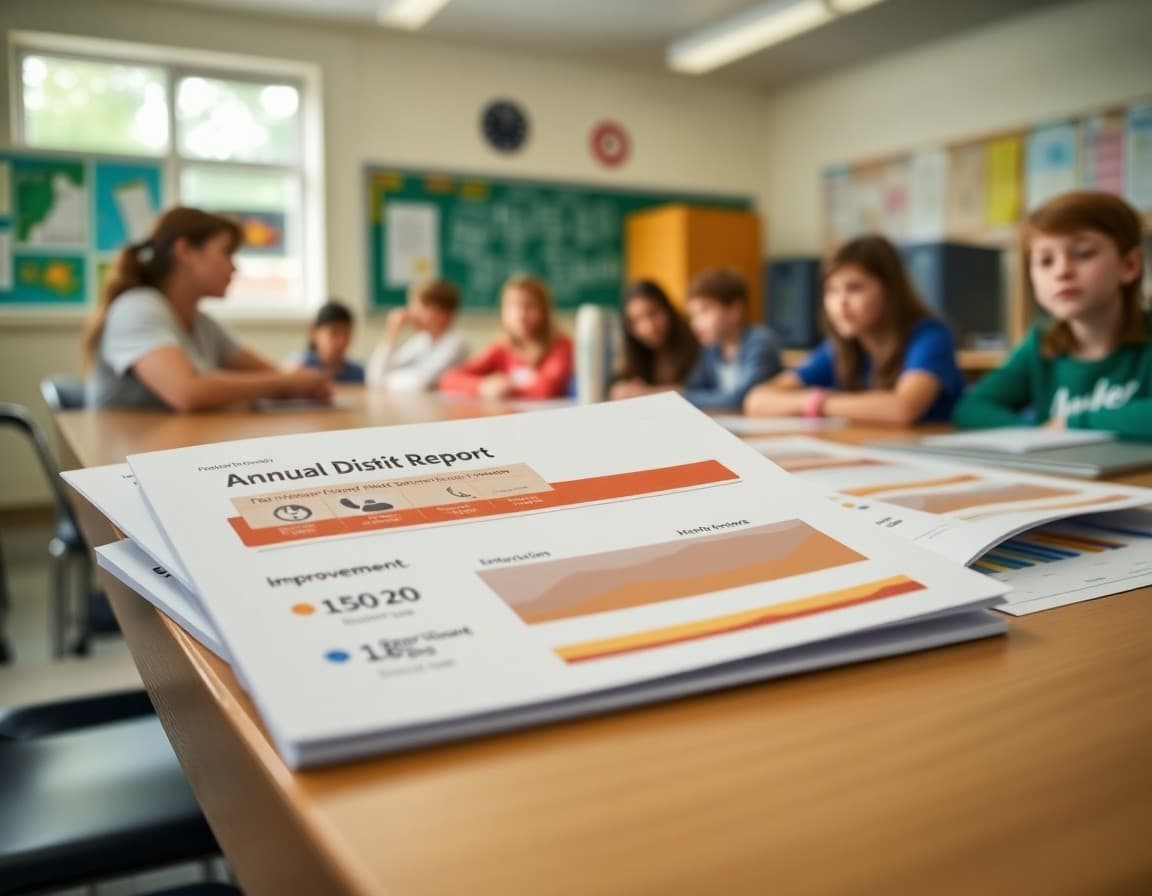
The state of the district newsletter is the most important communication a superintendent sends all year. It tells the community how the district is doing across every dimension that matters: student achievement, financial health, staff wellbeing, and strategic progress. When it is written well, it builds the kind of deep community trust that carries the district through difficult decisions. When it reads like a promotional piece, it erodes exactly the trust it was designed to build.
Open With the Honest Summary
The first paragraph of a state of the district letter should tell families, in plain language, how the district is doing. Not a list of accomplishments, not a vision statement, but an honest one-paragraph picture of the year. "This was a year of meaningful academic progress and real challenges. Graduation rates climbed to their highest point in a decade. Chronic absenteeism remained stubbornly above where it was before 2020. Our budget is stable and our staff retention rate improved. We have work to do on equity gaps that narrowed but did not close." That kind of opening establishes trust before anything else in the letter is read.
Report the Core Academic Data
Include the three or four numbers that define academic health in your community: graduation rate, reading and math proficiency rates at key grade levels, chronic absenteeism rate, and a comparison to prior years. These numbers should be presented in plain terms, not buried in footnotes or softened by context before the data is shared. Give families the numbers first, then provide the context that helps them understand what the district is doing about them.
Celebrate Specific Achievements With Names and Schools
A state of the district that celebrates "our amazing teachers and staff" without naming anyone is not actually celebrating anyone. Name schools that improved significantly. Name programs that delivered results. Recognize staff by name where appropriate and where privacy allows. Specific recognition is more powerful than generic appreciation because it creates accountability for what quality looks like and makes the people doing good work feel genuinely seen.
Be Honest About Where the District Fell Short
Every year has goals that were not met. Name them. Explain what happened. If the district planned to open a new early childhood program and it was delayed by facilities issues, say so. If the math proficiency rate did not move despite a significant curriculum investment, acknowledge that and explain what the data shows about why. Families who see a superintendent acknowledge failure honestly trust every other part of the state of the district letter more because of that honesty.
A Sample State of District Summary Paragraph
Here is language for the data section that holds achievement and honesty together:
Our four-year graduation rate reached 91.4 percent this year, the highest in district history and 2.1 points above the state average. Reading proficiency in third grade increased from 68 to 72 percent. Math proficiency held steady at 61 percent, despite our third year of implementing the new curriculum. We had hoped to see stronger math gains by now. Our data team is conducting a deeper analysis of implementation quality across campuses, and we will share findings by October. Chronic absenteeism declined from 19 to 16 percent, progress but still above our pre-2020 rate of 11 percent. Closing that gap remains our highest priority for next year.
Address Financial Health Directly
Include a brief section on the district's financial standing. Families want to know whether the district is operating sustainably, whether there are anticipated shortfalls on the horizon, and whether reserves are adequate. Financial information that is absent from the state of the district newsletter gets noticed by the community members who are paying the most attention, and its absence signals concealment rather than confidence.
Set Three to Four Priorities for the Coming Year
End the letter by naming the priorities that will focus the district's work in the year ahead. Not a comprehensive list of everything the district plans to do, but the three or four goals that will receive the most attention and resources. These priorities become the framework for the next year's communications and give families a basis for evaluating the district's work as the year unfolds.
Make It Personal and Readable
The state of the district letter carries more weight when it sounds like a specific person wrote it, not a committee-approved document. Include at least one personal observation from your year, a student story, a moment that shifted your thinking, or a reflection on what the district's work means to you personally. Families read these letters looking for evidence that the superintendent actually cares about the students in their community. Give them that evidence in your own voice, and consider tools like Daystage to ensure the final letter reaches every family in a format they will actually read.
Get one newsletter idea every week.
Free. For teachers. No spam.
Frequently asked questions
What is a state of the district newsletter and who should send it?
A state of the district newsletter is an annual communication from the superintendent summarizing the district's performance across key areas, celebrating notable achievements, acknowledging where the district fell short, and setting priorities for the coming year. It is the most comprehensive community-facing document a superintendent produces annually and should come directly from the superintendent, not from the communications team writing in a generic district voice.
What should a state of the district newsletter cover?
Student achievement data including test scores and graduation rates, attendance, financial health, major initiatives launched or completed, staff highlights, community partnerships, and the priorities for next year. The strongest state of the district newsletters balance celebration with honest accountability on areas where the district did not meet its goals.
How long should a state of the district newsletter be?
Longer than a typical newsletter update but still readable: 800 to 1,200 words with a clear structure and key highlights that can be scanned. Some superintendents also produce a longer printed report for families who want more detail. The newsletter version should give every family the essential picture in about 10 minutes of reading.
How do you keep a state of the district newsletter from feeling like a one-sided celebration?
Dedicate at least one section to honest reflection on where the district did not meet its goals and what the plan is to address those gaps. Families and community members who never see the district acknowledge a shortcoming stop trusting state of the district communications as an honest source of information.
What tool makes a state of the district newsletter look professional and reach every family?
Daystage lets you publish a richly formatted annual newsletter with data highlights, photo features, and a structured layout that works on every device. You can send it to every family across all schools at once, ensuring your most important annual communication reaches the full community.

Adi Ackerman
Author
Adi Ackerman is a former classroom teacher and curriculum writer with 8 years in K-8 schools. She writes about school communication, parent engagement, and what actually works in real classrooms.
More for Superintendent
Ready to send your first newsletter?
3 newsletters free. No credit card. First one ready in under 5 minutes.
Get started free