

Superintendent Newsletter: Our Community Volunteers Make a Difference
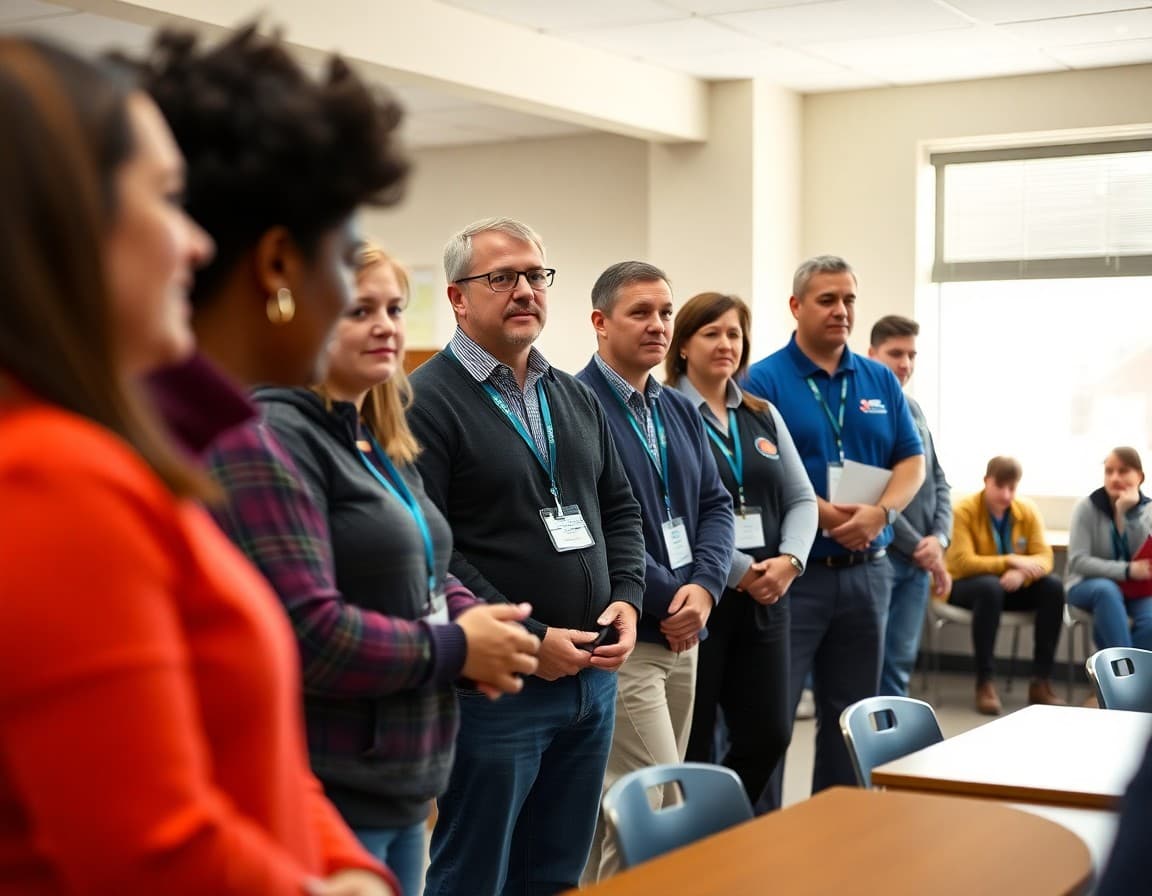
Schools are community institutions. They are built by the community, funded by the community, and responsible to the community. When community members step forward to invest their time directly in students, they reinforce that relationship in the most personal way possible.
A superintendent who recognizes volunteers publicly and invites more to join builds the community habit that sustains school quality between budget cycles and elections.
Name specific volunteers and their contributions
Who volunteered in district schools this year? Reading mentors from local businesses. Retired educators who tutored after school. Community professionals who participated in career days. Family members who organized classroom supplies drives. Name them specifically, with permission, and describe what they did. Specific recognition is more motivating than generic appreciation.
Report the scale of volunteer impact
How many volunteer hours were contributed to district schools this year? How many students benefited directly from volunteer programming? What did volunteers help accomplish that the district could not have done as well without them? Numbers tell the community that volunteerism is not symbolic; it is materially significant.
Describe the specific roles that need more volunteers
Where are volunteers most needed right now? Reading mentors for second and third graders who are behind grade level. Career exploration presenters for middle school students. Bilingual family liaisons who can help new families navigate enrollment and school communications. The more specific the need, the easier it is for a prospective volunteer to say yes.
Make the sign-up process simple
What does a person need to do to volunteer in district schools? Background check process, training requirements, sign-up links. Provide a single, clear pathway. The harder it is to figure out how to volunteer, the fewer people will try. A link directly to the volunteer sign-up portal in the newsletter is worth more than a paragraph describing the process.
Thank the organizations and employers that have supported volunteerism
Many volunteers are able to give time to schools because their employers support community volunteerism during work hours. Acknowledging those employers publicly is accurate recognition and encourages other employers to develop similar programs.
Sample excerpt
"This year, 847 community volunteers contributed 12,400 hours to our schools. Our reading mentor program alone paired 312 students with weekly reading partners, and our benchmark data shows those students gained an average of 1.4 reading grade levels over the course of the year. We thank our corporate partners at First National Bank, Riverside Medical, and Acme Manufacturing, whose employees make up 22% of our volunteer corps. We need 150 more reading mentors for next year. If you can give 45 minutes on a Tuesday or Thursday morning, visit ourdistrict.org/volunteer to sign up."
Daystage delivers this volunteer recognition newsletter to every family inbox in the district, making the community's investment visible and inviting the next wave of people to step forward.
Get one newsletter idea every week.
Free. For teachers. No spam.
Frequently asked questions
Why should a superintendent write a newsletter specifically about community volunteers?
Recognition is one of the most effective ways to sustain volunteer engagement. A superintendent newsletter that names volunteers and describes their specific contributions signals to current volunteers that their work is valued and noticed, and signals to prospective volunteers that the district welcomes and appreciates community involvement.
What impact do community volunteers actually have in a school district?
Research consistently shows that adult volunteers in schools improve academic outcomes, particularly in reading, where one-on-one reading partnerships with community volunteers show measurable reading gains. Beyond academics, volunteers model community investment in education and help students build relationships with caring adults beyond their immediate family.
How do you recruit more community volunteers through a newsletter?
Name specific volunteer roles that are needed, describe what each role involves, and make the sign-up process simple and visible. Families who know that reading mentors are needed on Tuesday mornings, and who can sign up at a link in the newsletter, are far more likely to volunteer than families who read a generic invitation to get involved.
How do you recognize volunteers without creating a sense that only certain kinds of participation count?
Feature a range of volunteer contributions: the family member who reads with students weekly, the retired teacher who tutors after school, the local business that sent employees to help with a career day. The variety of recognition signals that there are many ways to contribute, not just one.
How can Daystage support community volunteer communication to all district families?
Daystage delivers the volunteer recognition newsletter to every family inbox in the district, making the community's investment in its schools visible to everyone who is part of that community. For an invitation-and-recognition communication, reaching every family is how the next wave of volunteers learns that their participation is wanted.

Adi Ackerman
Author
Adi Ackerman is a former classroom teacher and curriculum writer with 8 years in K-8 schools. She writes about school communication, parent engagement, and what actually works in real classrooms.
More for Superintendent
Ready to send your first newsletter?
3 newsletters free. No credit card. First one ready in under 5 minutes.
Get started free