

Superintendent Newsletter: Our Community Outreach Effort
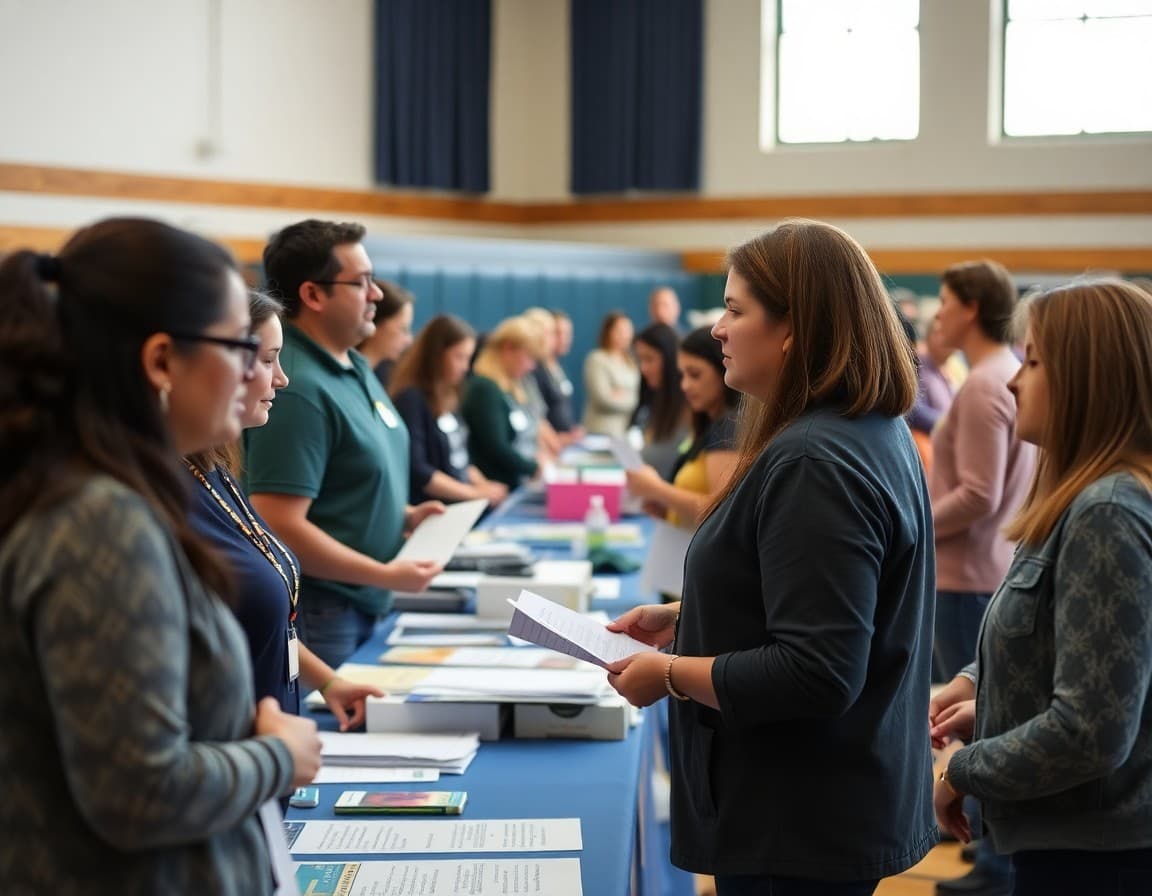
A school district is not just the buildings. It is the relationships it maintains with every family and every corner of the community it serves. Districts that actively reach beyond their own walls to meet families where they are build a kind of community trust that no policy or program can substitute for.
A superintendent who communicates about outreach demonstrates that the district sees connection as a strategy, not a publicity effort.
Describe where the district is going and why
Name the specific neighborhoods, community spaces, or family groups the district's outreach is focused on. Library branches, faith communities, community centers, laundromats, barbershops, apartment complex common areas. Explain why these particular places: they are where families who are not yet connected to the district tend to be found. Specific places signal serious intent in a way that general language about "community engagement" does not.
Name the community partners involved
Which community organizations is the district partnering with to reach families? Name them specifically. Partnerships with trusted community organizations multiply the district's reach and credibility in ways the district cannot achieve on its own. Families who see their trusted community organizations named as partners are more likely to respond to the district's outreach.
Describe what the district is bringing to the community
What resources, information, or services does the district bring to community outreach events? Enrollment assistance, health screenings, school supply distribution, information about academic programs, translation services. The content of outreach matters as much as the location. Families who have something useful to gain from attending are more likely to show up.
Report on what the district has heard
Outreach that listens should change the district. What concerns, questions, or ideas has the district heard from community members who are not yet connected? What is the district doing in response? Showing that outreach produces real institutional response is what makes future outreach credible.
Invite already-connected families to help
Families who are already engaged with the district know neighbors, relatives, and coworkers who are not. Name a specific way these families can help: share the enrollment information with a neighbor, bring a friend to the community resource fair, post the district's social media content in their neighborhood group. Small asks, specific asks, produce real results.
Sample excerpt
"This fall, our outreach team is visiting 14 community sites across the district, including the Westside Community Center, three library branches, and six apartment complexes with large family populations. We are partnering with United Way and La Familia del Pueblo to staff these events with trusted community navigators. At each site, families can get enrollment help, school supply information, and referrals to district support programs. At our first five events, we connected with 312 families who were not yet in our system. We are listening to what they need and adjusting our programs based on what we hear."
Daystage delivers community outreach updates to every family inbox in the district, making the district's effort to reach more of its community visible to the whole community.
Get one newsletter idea every week.
Free. For teachers. No spam.
Frequently asked questions
What should a community outreach newsletter communicate to district families?
What the district is doing to reach families who are not yet engaged, why that outreach matters, what community organizations the district is partnering with, what resources are available through community connections, and how families currently connected to the district can help extend its reach.
Why is it important for a superintendent to communicate about outreach to already-engaged families?
Already-engaged families are often the most effective connectors to families who are not yet engaged. When they understand that the district is actively trying to reach more families, and they see specific ways to help, they become informal ambassadors. Outreach newsletters that only reach engaged families can still meaningfully expand community connection.
How do you communicate about outreach to communities that have historically had negative experiences with the district?
Name the history without defensiveness. Acknowledge that some communities in the district have had reasons to distrust the institution and that the district's outreach is an attempt to earn a different relationship through consistent presence and follow-through. Trust-building language requires honesty about what made trust necessary to rebuild.
What makes community outreach effective versus performative?
Effective outreach starts with listening rather than announcing. It happens in places where families already gather rather than in spaces the district controls. It involves consistent presence over time rather than one-time events. A superintendent who communicates about outreach should describe what the district is doing that fits these criteria.
How can Daystage support community outreach communication to all district families?
Daystage delivers outreach updates to every family inbox, including families in the neighborhoods the outreach is specifically designed to reach. For a district trying to expand community connection, having a reliable channel that reaches every family simultaneously is one of its most important communication assets.

Adi Ackerman
Author
Adi Ackerman is a former classroom teacher and curriculum writer with 8 years in K-8 schools. She writes about school communication, parent engagement, and what actually works in real classrooms.
More for Superintendent
Ready to send your first newsletter?
3 newsletters free. No credit card. First one ready in under 5 minutes.
Get started free