
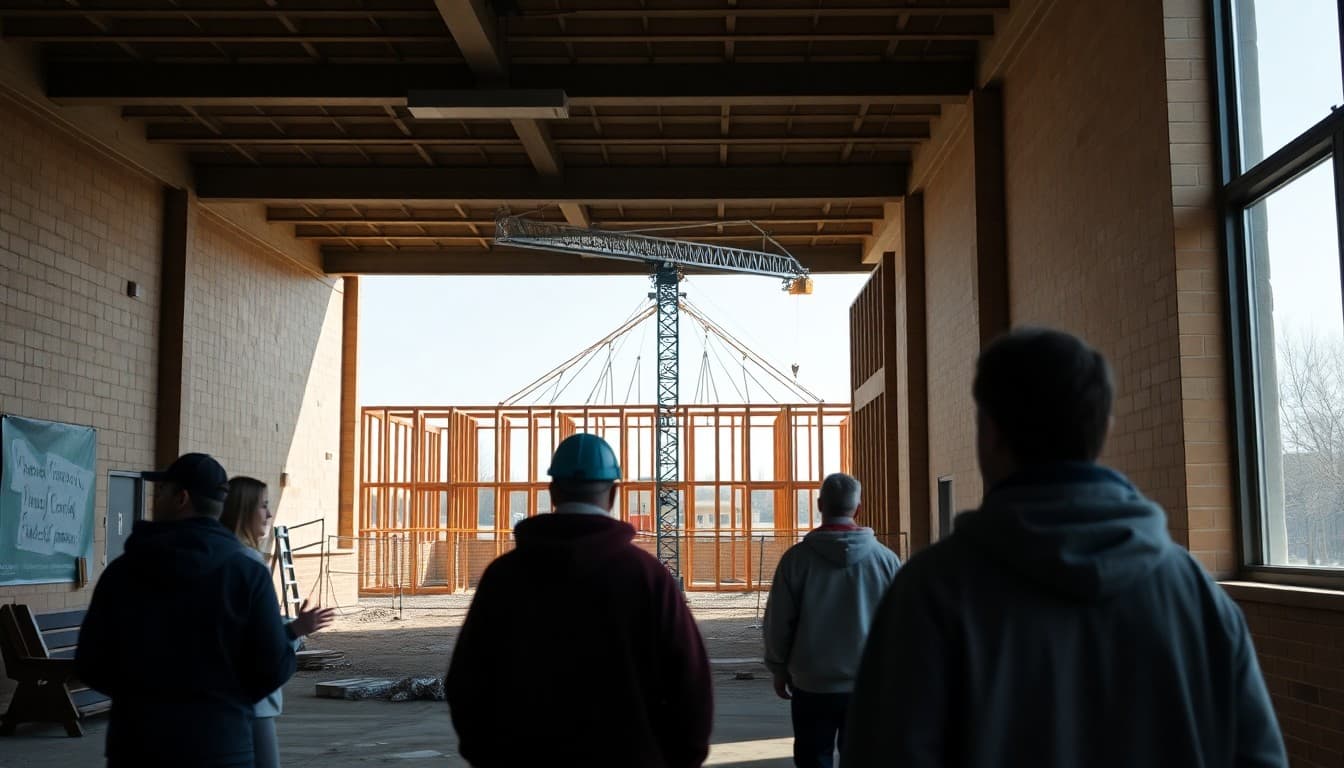
Superintendent Newsletter: Understanding the School Bond Measure

A school bond measure puts the district before voters in a way that most other decisions do not. Every property owner in the district has a financial stake in the outcome. The superintendent's newsletter explaining the measure is not just a communication task. It is an exercise in public trust that will shape how voters approach the ballot and how the community views the district's leadership for years.
Explain the Bond in Plain Financial Terms
Start with what a bond is: a long-term loan that the district repays through an additional property tax, used exclusively for capital projects that operating budgets cannot fund. Give the total amount, the tax rate per $100,000 of assessed property value, and the duration. Most voters are not opposed to improving schools. They are skeptical when they do not understand what they are being asked to approve or who will oversee how the money is used.
List What the Bond Will Fund Specifically
Avoid broad language like "improving facilities" or "upgrading technology." Name the projects. "Replace the 40-year-old roofs at Madison and Roosevelt Elementary. Renovate the science labs at both high schools. Build a new gymnasium at Lincoln Middle School. Install updated electrical systems in seven aging buildings." Specific projects create accountability before the measure even passes. Voters who know exactly what they are funding have a baseline against which to measure delivery.
Be Transparent About the Tax Impact
State the annual tax cost for a home at the median assessed value in the district. Then give the range for lower and higher valued properties. Some superintendents soften this section. That is a mistake. Voters who calculate the number themselves and find it higher than what the district communication implied feel deceived, and that feeling turns into votes against the measure. Lead with the honest number and let it stand.
Describe the Oversight Structure
Every bond measure is legally required to have independent oversight. Explain what that looks like in your district. Name the citizens bond oversight committee, describe its composition and authority, and explain how reports will be published. If independent auditors will review spending annually, say so. If unused bond funds are legally restricted from being redirected to other purposes, say that too. Accountability structures are more persuasive than any statement of good intentions.
A Sample Bond Explanation Paragraph
Here is language that balances factual clarity with accessible framing:
Measure B is a $124 million school facilities bond. If approved by voters in November, it will fund roof replacements at nine schools, modernized science labs at our two high schools, a new library at Eastside Elementary, and upgraded electrical and HVAC systems throughout the district. The bond would add approximately $29 per year per $100,000 of assessed home value. An independent citizens committee will review all expenditures, and annual audits will be published on the district website. By law, none of these funds can be used for administrator salaries or operating expenses.
Address the Most Common Objections Directly
Families and voters who are skeptical of the bond deserve their objections taken seriously in the newsletter. The most common ones are: "Is this really necessary?" "Will the money be used as promised?" "Why now?" and "Can't the district use existing funds?" Answer each directly and briefly. Ignoring objections in a bond communication newsletter creates the impression that the district has not thought through the questions voters are actually asking.
Separate District Communication From Campaign Activity
School resources, including the district newsletter, cannot be used for campaign advocacy. Make sure the newsletter is informational and factual. Direct families to the official bond measure page for voting information and to the independent advocacy campaign if one exists. This distinction matters legally, and it also matters for trust. A newsletter that reads like a campaign flyer makes voters suspicious about whether the district is being straight with them.
Give Families a Way to Ask Questions
Close the newsletter with a way for community members to ask questions about the bond before the election. An email address, a town hall, or a FAQ on the district website signals that the district welcomes scrutiny rather than avoiding it. Bond measures pass more often when voters feel they have had real access to information. That access starts with the superintendent's newsletter.
Get one newsletter idea every week.
Free. For teachers. No spam.
Frequently asked questions
What is a school bond measure and how should a superintendent explain it?
A school bond is a loan the district takes out, backed by property taxes, to fund capital projects like building repairs, new construction, or technology upgrades. The superintendent should explain it in those terms: what it funds, what property owners will pay, how long the tax lasts, and what independent oversight will ensure funds are used as promised.
What is the difference between a bond measure and a school levy?
A bond funds capital projects and is repaid over time through property taxes. A levy typically funds operating expenses like teacher salaries and programs. Both appear on the ballot, but they serve different purposes. Many families confuse the two, so explaining the distinction early in your newsletter prevents misunderstanding about what the money will be used for.
Can a superintendent advocate for a bond measure in a school newsletter?
Superintendents can and should provide factual information about what the bond funds, the need it addresses, and the tax impact. They must not use public resources to campaign for a yes vote. The newsletter should be informational and balanced, directing families to official bond materials while being transparent about what the district believes the community needs.
How do you address community skepticism about whether bond funds will be spent as promised?
Address it directly by describing the independent citizens oversight committee, the required audits, the public spending reports, and any legal restrictions on how bond funds can be used. Specific accountability structures do more to build confidence than general assurances that the district will be responsible with funds.
How can a superintendent reach all voters, not just families with children in schools?
Daystage is a strong tool for reaching current school families, but a bond measure requires reaching all property owners in the district. Pair Daystage newsletters to school families with community newsletters, local media outreach, and direct mail to ensure the broader voter base has accurate information before the election.

Adi Ackerman
Author
Adi Ackerman is a former classroom teacher and curriculum writer with 8 years in K-8 schools. She writes about school communication, parent engagement, and what actually works in real classrooms.
More for Superintendent
Superintendent Bond Measure Communication: Explaining Capital Projects to Voters
Superintendent · 8 min read
Superintendent Newsletter: Bond Measure Progress Update for Families
Superintendent · 6 min read
Superintendent Newsletter: Communicating the District Budget to Families
Superintendent · 6 min read
Ready to send your first newsletter?
3 newsletters free. No credit card. First one ready in under 5 minutes.
Get started free