
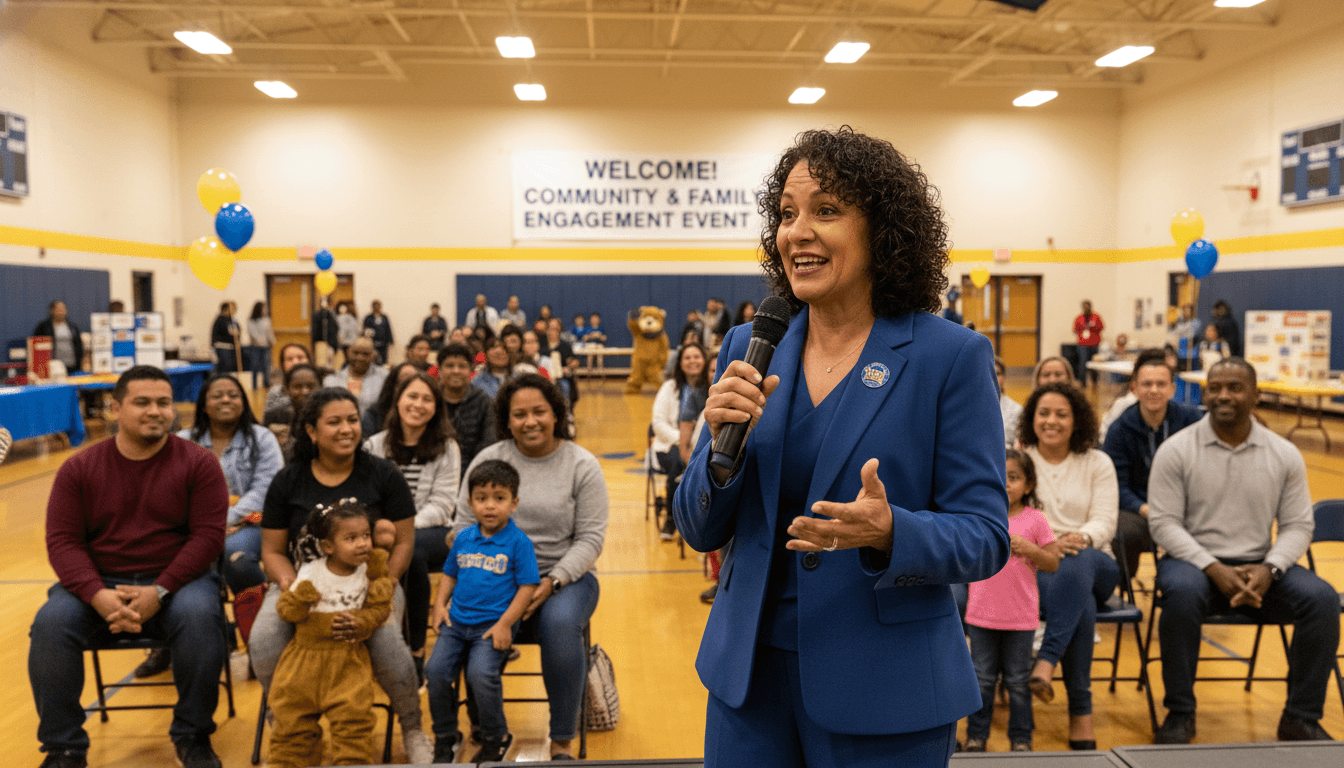
Superintendent Family Engagement Newsletter: Inviting Community In

Family engagement does not start at a school event. It starts with how well families understand what is happening in their district and whether they feel the district is talking to them or at them. The superintendent newsletter is the most direct lever available for building that understanding.
Most family engagement newsletters are too long, too formal, and too focused on what the district has accomplished rather than what families can do. Here is how to write one that actually pulls families closer.
What family engagement really means in a newsletter context
Engagement is not the same as awareness. A family can be fully aware of a district program without feeling any connection to it. Engagement means families feel like participants, not recipients. They understand what their children are learning, they know what support looks like at home, and they feel the district has communicated with them in a way that respects their time and intelligence.
A superintendent newsletter that generates engagement gives families information they can actually use. Not just dates and reminders, but context about why the district is making certain decisions, how those decisions connect to student outcomes, and what role families can play.
Lead with a story, not a headline
The most engaging newsletter openings are specific. A superintendent who opens with "Students in our bilingual program at Lincoln Elementary just completed their first cross-school research project, connecting third graders in two schools who share Spanish as their home language" is inviting families into a real moment. That is more engaging than "Our bilingual program continues to grow."
One story per newsletter. Keep it to three or four sentences. The story does not have to be dramatic. It just has to be real and specific enough that a family who has a child in that school, or in a similar program, feels something when they read it.
Connect programs to what families can do at home
If your district is focused on reading fluency this year, your family engagement newsletter should include one concrete thing families can do at home to support it. Not a general suggestion to read together. A specific recommendation tied to what students are doing in classrooms.
For example: "Our K-3 teachers are working on decoding skills this month using a structured phonics sequence. If your child brings home a word list, the most effective practice is three minutes of quick-fire reading aloud before bed, not longer practice sessions." That kind of specificity tells families the district trusts them to be real partners, not just cheerleaders.
Include one honest data point
Superintendents who only communicate good news train families to distrust the newsletter. Including one honest data point, even when the picture is mixed, builds credibility over time. This does not mean airing every district challenge in the family newsletter. It means being willing to say "our chronic absenteeism rate is still above where we want it to be, and here is what we are doing this semester."
Families who trust the newsletter open it consistently. Families who feel the newsletter is purely promotional skim it and eventually stop opening it.
Create visible pathways for feedback
A newsletter that has no mechanism for response is a broadcast. A newsletter that includes a single question, a link to a brief survey, or an invitation to respond directly is a conversation. Even if only five percent of families respond, the invitation changes the dynamic. It signals that the superintendent wants to hear back, not just send out.
Keep the feedback mechanism simple. A single question at the bottom of the newsletter, rotating monthly, is more effective than a long survey sent separately.
Promote community events as invitations, not reminders
There is a significant difference between "The district will hold its annual curriculum night on November 14" and "On November 14, you can sit in the same chair your child sits in every day and hear directly from their teacher about what your child is working on and why." The second version gives families a reason to come. The first is a calendar entry.
Write every event mention with a one-sentence description of what the family will experience, not just what the event is called.
Build a consistent structure families can rely on
Families who know what to expect from a newsletter read it differently than families who open each issue uncertain about what they will find. A consistent structure, an opening story, a district update, a learning-at-home section, upcoming events, means regular readers can navigate to the section most relevant to them. That is not a limitation. It is a feature.
Use Daystage to keep your superintendent newsletter formatted consistently across every issue, with clean rendering in every email client your families use. The content you put into family engagement communication should be the part that varies. The structure and delivery experience should be something families can count on.
Get one newsletter idea every week.
Free. For teachers. No spam.
Frequently asked questions
How often should a superintendent send a family engagement newsletter?
Monthly is the right cadence for a district-level family engagement newsletter. More frequent sends dilute the signal. Less frequent sends lose the habit. Monthly gives you enough time to gather meaningful updates and enough regularity that families start looking for it.
What should a family engagement newsletter include beyond announcements?
The most effective newsletters include one story from inside a classroom or program, a specific data point about student progress, and at least one concrete action families can take to support learning at home. Announcements alone do not build engagement. They communicate. Engagement comes from content that makes families feel connected to what is actually happening.
How do superintendents measure whether their family engagement communication is working?
Track open rates over time, watch attendance at family events mentioned in the newsletter, and monitor whether families reference newsletter content in conversations with principals and teachers. A rise in informed family questions is one of the clearest signals that a newsletter is being read and absorbed.
How should a superintendent handle family engagement communication across multiple languages?
Translate the full newsletter, not just the headlines. Partial translation signals to multilingual families that the translated version is a lesser product. Identify the top three or four languages spoken in your district, commit to full translation for those, and make the translation process part of your regular production schedule rather than an afterthought.
What is the best tool for superintendents to send family engagement newsletters?
Daystage is built for district-wide family communication. It handles sends to thousands of addresses across every school in the district, renders correctly in Gmail and Outlook, and gives you open-rate data by school so you can see where engagement is strong and where it needs attention. Superintendents who switch to Daystage from portal-based tools consistently report higher open rates and more family responses.

Adi Ackerman
Author
Adi Ackerman is a former classroom teacher and curriculum writer with 8 years in K-8 schools. She writes about school communication, parent engagement, and what actually works in real classrooms.
More for Superintendent
Ready to send your first newsletter?
3 newsletters free. No credit card. First one ready in under 5 minutes.
Get started free