
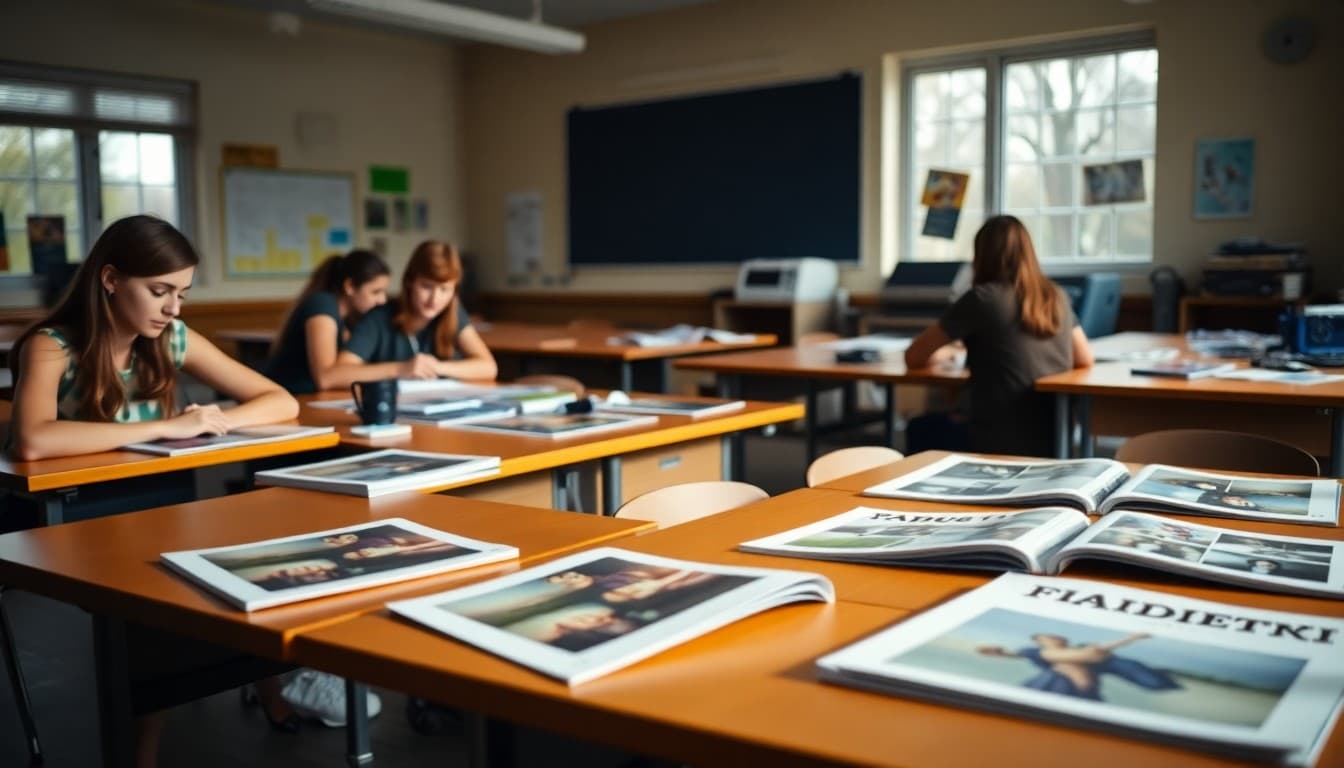
Yearbook Teacher Newsletter Ideas to Build Excitement and Meet Deadlines
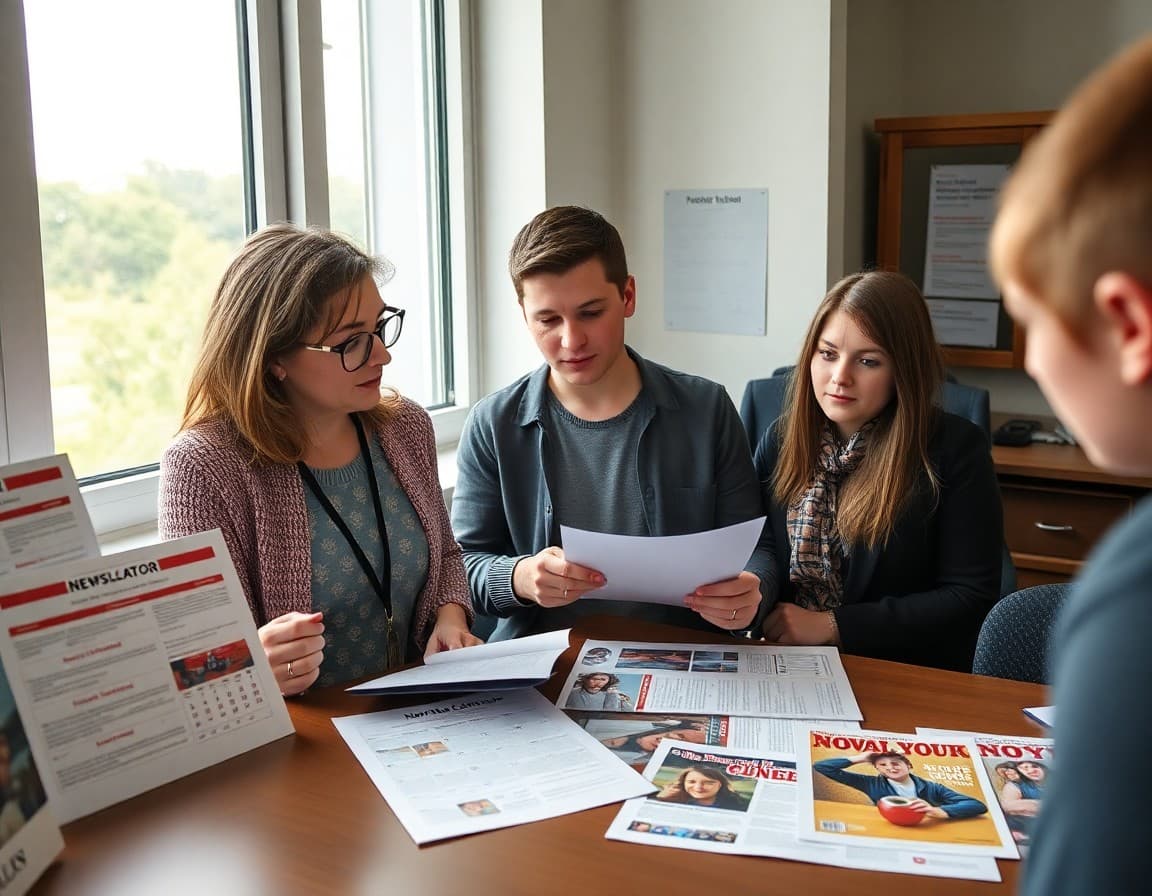
Yearbook newsletters serve two purposes: getting families to take specific actions (buy books, submit photos, return forms) and building excitement about the final product. The ideas below are organized around the production calendar so you can pick the right content for wherever you are in the year.
Back-to-School Program Overview
The first newsletter of the year should explain what yearbook class is, what it produces, and what families need to know right now. Include the year's key deadlines in a calendar format, the book price and where to order, and an invitation to join the staff's social media or website if you have one. First impressions matter. A clean, well-organized first newsletter sets the tone for all the communications that follow.
Theme Reveal
When the class finalizes the year's theme, that is a newsletter moment. Describe the theme, explain how students developed it, and share what visual direction the book will take. You do not need to reveal specific spread designs to give families something exciting to anticipate. The theme reveal generates early enthusiasm and gives parents something to mention to their student.
Early-Bird Sales Deadline Reminder
Two weeks before the early-bird deadline, send a targeted newsletter focused entirely on ordering. Repeat the price, the deadline date, and the purchase link. Add a sense of urgency: "Books are not guaranteed for orders placed after February 28th." Include a brief FAQ answering the most common ordering questions you receive. This reminder newsletter drives more orders than the initial announcement in most programs.
Staff Spotlight
Introduce the yearbook staff to families through a newsletter spotlight. Share the leadership team, their roles, and a one-sentence description of what they are responsible for. Include a photo of the staff at work if you have one. This makes the yearbook feel like it belongs to a specific group of real students rather than an abstract school publication, which builds connection and investment in the final product.
Photo Drive Announcement
When you open a community photo submission window, the newsletter is the primary vehicle for that request. Be specific about what you need: events not covered by the staff, baby photos for senior sections, candid classroom moments, community events involving students. Include submission instructions, file format requirements, the deadline, and a link. A photo drive with specific, actionable instructions collects far more usable submissions than a vague ask.
Senior Ad Campaign Launch
Senior families need their own newsletter focused entirely on senior ad content. Describe the ad sizes, pricing, what content families can include, and the submission deadline. Include a sample ad so families know what they are designing toward. Emphasize that this is the only opportunity to include a personal tribute in the official school yearbook. The finality of that framing drives action.
Production Milestone Celebration
When major production milestones happen, share them. The book hit its first deadline. The cover design is complete. The staff finished proofing the senior section. Milestone newsletters give families a window into the work happening in class and create a running narrative of the book coming together. They also celebrate the staff, which they deserve.
Distribution Day Build-Up
In the weeks before distribution, ramp up the excitement. Tell families the book is at the printer. Share distribution logistics: date, time, location, what to do if a student is absent. If you are running a signing event or distribution celebration, include those details. The payoff of a year of production work deserves a well-planned communication campaign.
Get one newsletter idea every week.
Free. For teachers. No spam.
Frequently asked questions
What yearbook newsletter ideas help drive early book sales?
Price urgency works better than vague encouragement. A newsletter that shows the early-bird price, the standard price after the deadline, and the risk of not getting a book at all creates genuine motivation. Include a direct purchase link. Social proof also helps: if 200 families have already ordered, mention it. Parents respond to knowing that other families are acting.
How do yearbook advisers keep parent engagement high throughout the year?
Vary the content across the year. Early newsletters focus on sales and photo submissions. Mid-year newsletters can share the theme, highlight staff accomplishments, and show progress. Late-year newsletters build anticipation for distribution. Each phase of production gives you a natural newsletter moment. The key is tying every newsletter to either a deadline or a celebration, not just a general update.
What newsletter ideas help yearbook advisers recruit community photo contributions?
A specific ask works better than a general one. Rather than saying 'send us your photos,' tell parents exactly which events you need coverage from, what qualities make a photo usable, and where to send files. If you can show an example of the kind of candid, in-action photo that works well for yearbook spreads, include it. Parents who understand exactly what you need are more likely to dig through their camera rolls and find it.
What newsletter ideas work well for senior families specifically?
Senior families have a distinct set of yearbook-related deadlines and opportunities. A newsletter dedicated specifically to senior content, including portrait submission, senior ad options, senior quotes, and the senior section design, is genuinely useful. These families are navigating many end-of-year tasks and appreciate having all their yearbook-related information in one place.
What tool works best for subject teacher newsletters?
Daystage makes it easy to build and reuse a yearbook newsletter template throughout the production year. You can include deadline lists, purchase links, and embedded staff photos all in one clean format, and send to all families at once.

Adi Ackerman
Author
Adi Ackerman is a former classroom teacher and curriculum writer with 8 years in K-8 schools. She writes about school communication, parent engagement, and what actually works in real classrooms.
More for Subject Teachers
Ready to send your first newsletter?
3 newsletters free. No credit card. First one ready in under 5 minutes.
Get started free