
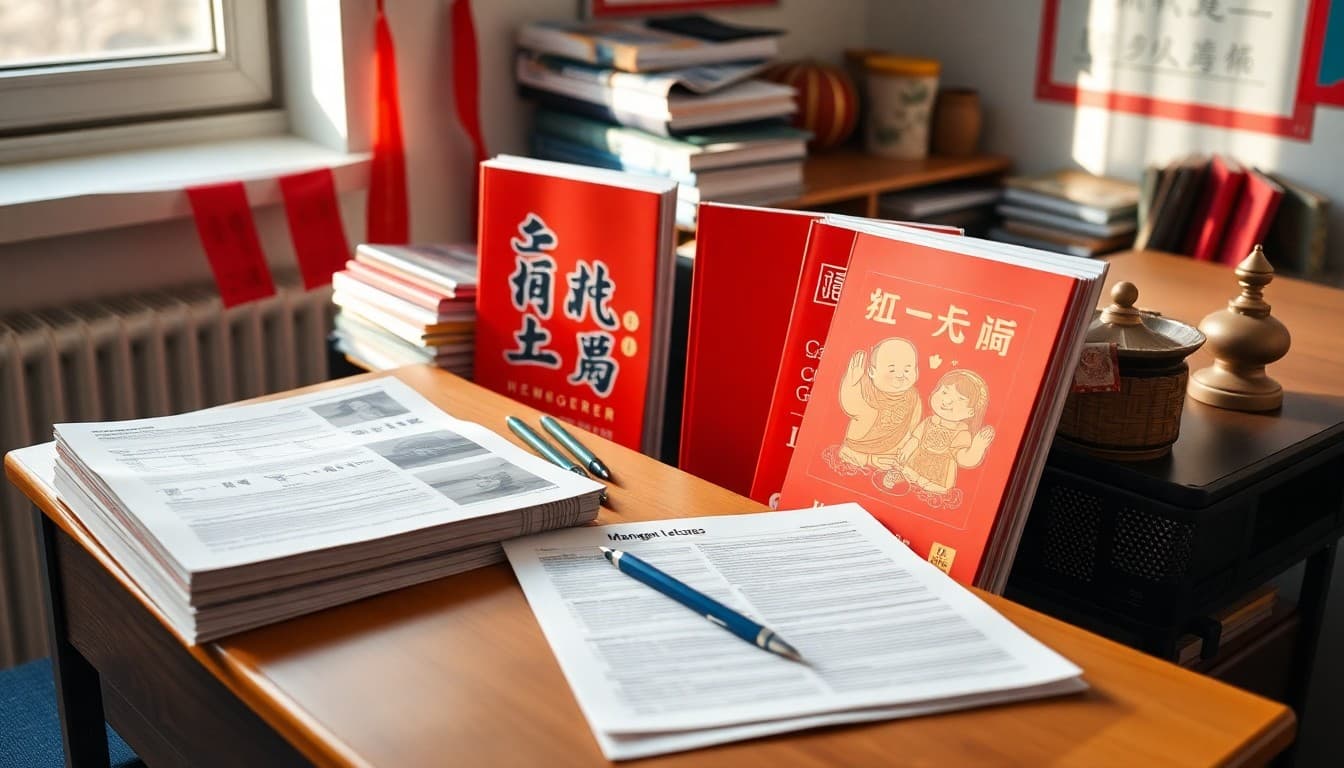
What to Include in Your Mandarin Newsletter to Parents

Mandarin class newsletters serve a different purpose than most subject-area communications. Parents are rarely fluent in the language their child is learning, which means they need extra context to feel connected to classroom progress. A well-structured Mandarin newsletter closes that gap without turning into a language textbook.
Current Unit and Learning Goals
Start every newsletter with a plain-language summary of what students are working on. If the class is covering family vocabulary and asking questions in Mandarin, say that directly. Avoid linguistic jargon. Parents do not need to know whether students are practicing aspect markers or perfective particles. They do need to know that students are learning to describe their families and will be doing a short oral presentation at the end of the unit.
Three to four sentences is enough. Keep it focused on what parents can expect to see or hear from their child.
Vocabulary Preview: Three to Five Words to Practice at Home
This is the highest-engagement section of any Mandarin newsletter. Pick three to five vocabulary words from the current unit, write them in characters, add pinyin, and include the English meaning. Then suggest one simple activity families can do at home, like asking their child to teach them the words at dinner.
You do not need to make this elaborate. A short table works fine. The goal is to give families a way to engage with the language even if they have never studied Mandarin themselves.
Tone and Pronunciation Notes
Mandarin tones are genuinely confusing for English-speaking families. A brief, friendly explanation helps demystify what their child is working on. You might write something like: This week we practiced the four tones in Mandarin. The same syllable can mean mother, hemp, horse, or scold depending on the tone used. Students are listening carefully and recording themselves to hear the difference.
If you have a short audio clip or a link to a tone demonstration, include it. Most email platforms and newsletter tools support embedded links.
Cultural Connection
Language and culture are inseparable in Mandarin class. A newsletter section on upcoming cultural holidays or traditions gives families context that extends beyond vocabulary lists. If the Mid-Autumn Festival is approaching, include a paragraph on its significance and a suggestion for how families might celebrate or learn more at home.
Cultural content also gives students something to talk about with their families, which reinforces classroom learning outside school hours.
Upcoming Assessments and Projects
Parents want to know when tests and major projects are scheduled. List them with dates and a brief description of what students will need to do. If there is a speaking assessment, mention whether students will be recorded or presenting to the class. If there is a written character quiz, note what sets of characters will be covered.
This section prevents surprises and gives families the chance to support their child in preparing at home.
How to Support Practice at Home
Most parents want to help but don't know how to support a language they don't speak. Give them two or three concrete ideas. Recommend a free app for character practice. Suggest a short YouTube channel for listening exposure. Remind them that asking their child to teach them a few words each week is itself a powerful practice strategy.
Avoid suggesting anything that requires parents to already know Mandarin. The recommendations should work for a family with zero prior exposure to the language.
Class Highlights and Student Work
Sharing examples of what students created or accomplished makes the newsletter feel personal rather than informational. A photo of a character writing exercise, a snippet from a class conversation, or a description of a student performance gives families a window into the classroom.
You do not need permission to mention general class accomplishments. For photos or named student work, follow your school's media consent guidelines.
Contact Information and Next Steps
Close with a clear way for parents to reach you and any important dates coming up. A simple sign-off with your email, office hours, and the next newsletter date keeps communication lines open.
Daystage makes this structure easy to repeat. Build the template once with all these sections, then update the content each time you send. Consistent formatting helps families know where to look for the information they need.
Get one newsletter idea every week.
Free. For teachers. No spam.
Frequently asked questions
How often should Mandarin teachers send newsletters to parents?
Most Mandarin teachers find a bi-weekly or monthly cadence works well. Sending too frequently leads to unopened emails, while monthly keeps parents informed without overwhelming anyone. Pick a schedule you can actually keep. Consistency matters more than frequency.
Should I include Chinese characters in the newsletter or stick to English?
A short vocabulary section with pinyin and English translations works well for most families. Keep it simple: three to five words parents can practice at home with their child. Full character-heavy newsletters can feel intimidating to families who don't read Chinese. The goal is connection, not a language lesson for parents.
What cultural content should I highlight in a Mandarin newsletter?
Upcoming cultural observances are the easiest starting point. Lunar New Year, Mid-Autumn Festival, Dragon Boat Festival, and the Lantern Festival all give you natural content hooks. A one-paragraph background on the holiday plus a suggestion for how families might observe it at home rounds out the cultural section nicely.
How do I explain language proficiency progress to parents who don't speak Mandarin?
Focus on observable behaviors rather than linguistic terminology. Instead of saying a student is working on tonal accuracy, write that students are learning to distinguish four tones that change a word's meaning entirely. Concrete examples with audio links where possible make a big difference. Frame progress in terms parents can hear and see, not just test scores.
What tool works best for subject teacher newsletters?
Daystage is built for exactly this kind of communication. You can write your Mandarin newsletter once, include vocabulary sections, embed cultural images, and send it to all families in one step. The platform handles formatting so your newsletter looks professional without extra design work.

Adi Ackerman
Author
Adi Ackerman is a former classroom teacher and curriculum writer with 8 years in K-8 schools. She writes about school communication, parent engagement, and what actually works in real classrooms.
More for Subject Teachers
Ready to send your first newsletter?
3 newsletters free. No credit card. First one ready in under 5 minutes.
Get started free