
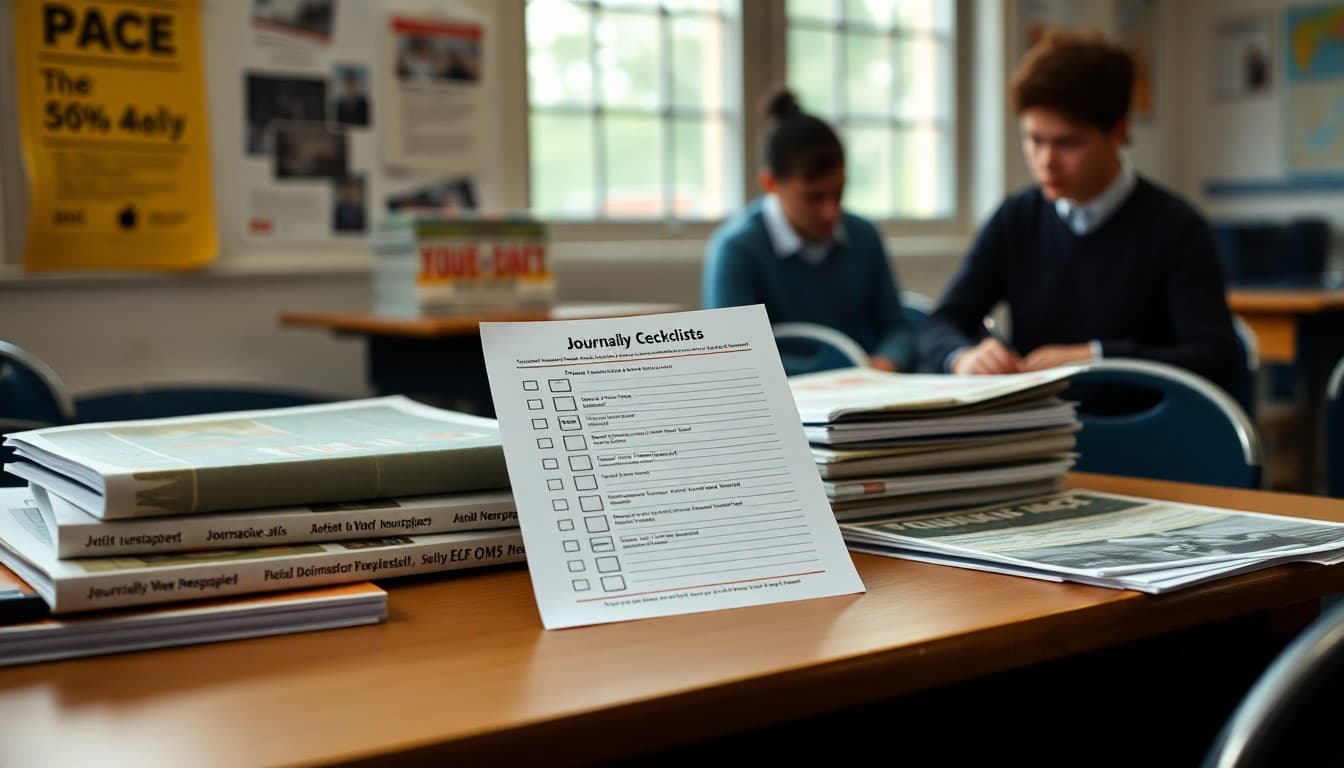
What to Include in Your Journalism Class Newsletter to Parents

A journalism class newsletter is most useful when it feels like it belongs to a journalism program, specific, evidence-based, and tied to the actual work students are producing. Here is a section-by-section checklist of what to include and why each part matters.
Publication Link and Recent Issue Highlights
This is the most important section of any journalism newsletter. Include a direct link to the most recent issue if the publication is available digitally. If print-only, describe two or three stories from the issue with enough detail that parents can ask their child specific questions about them. Include one quote or compelling detail that represents the quality of the work.
Never bury this section. It belongs at the top of every newsletter, above anything about curriculum or assessments.
Staff Roles and Introductions
Early in the year and whenever major role changes happen, include a short introduction to the editorial structure. Who holds which positions? What does each role involve? This gives families a frame for understanding their child's specific contribution to the publication. Parents of copy editors and layout designers often do not realize the significance of those roles unless someone explains them.
Current Unit or Skills Focus
What skill is the class developing this month? Interview technique, headline writing, data journalism, photojournalism, editorial writing, broadcast production: name the focus and explain it briefly. Connect the skill to how it applies in the publication context and why it matters beyond class. This section helps parents understand that journalism is a substantive academic subject, not just a fun elective.
Upcoming Publication Dates and Deadlines
Parents should know when the next issue drops and what major deadlines are coming up for students working on it. If story pitches are due on Monday, final drafts on Thursday, and layout is complete by Friday, a brief mention of those milestones helps families understand why their student might be working outside school hours on a story or spending lunch in the newsroom.
Journalism Ethics and Decision-Making
Include an occasional section on how the newsroom makes editorial decisions. What criteria determine whether a story gets published? How does the class handle sensitive topics? How are corrections handled? Parents who understand the ethical standards guiding the student press are better positioned to support the program when questions arise.
Recognition and Awards
If the publication or individual students receive any form of recognition, state, regional, or national journalism association awards, contest placements, or peer recognition, that belongs in the newsletter. Journalism programs compete in a robust awards ecosystem, and those recognitions are meaningful. Families who know about them are more likely to support and advocate for the program.
Ways to Engage With the Student Press
Invite parents to read the publication, subscribe to the digital edition, share it with their networks, or submit a letter to the editor if your publication accepts community input. Give parents a tip for what to look for in the latest issue. The more you treat families as an active audience rather than passive recipients, the more connected they feel to the program.
Contact and Next Steps
Close with your contact information, the next issue release date, and any logistics parents need to know about upcoming field trips, journalism competitions, or guest speakers. Keep the close concise. If parents need to submit a permission slip or pay a fee for a journalism conference, call that out clearly with a deadline.
Get one newsletter idea every week.
Free. For teachers. No spam.
Frequently asked questions
Should journalism newsletters be different from other subject newsletters?
Yes, in one important way: journalism newsletters should showcase actual student-produced content. Most subject newsletters describe what students learned. Journalism newsletters can link to what students published. That distinction changes the nature of the communication entirely. Lead with a link to the student publication in every newsletter, and structure the rest of the content around it.
How much space should I devote to process versus product in a journalism newsletter?
A rough split of 60% product and 40% process works well for most journalism newsletters. Parents want to see and read the actual publication, so that comes first. Process content, how stories are reported, what skills students are building, what the editorial workflow looks like, provides context that deepens appreciation for the product. Both matter, but the work itself is the anchor.
Is it appropriate to discuss sensitive stories in a journalism newsletter?
If your student publication covers a sensitive topic, a brief context paragraph in your teacher newsletter can be appropriate. Explain why the story was reported, how students approached it responsibly, and what journalism ethics principles guided the work. This proactive communication prevents concerned parent calls and models the kind of thoughtful decision-making that defines good journalism education.
How do journalism newsletters handle corrections?
If the student publication issued a correction, mention it briefly and explain how the error was caught and corrected. This is actually a teaching moment: corrections are a sign of ethical journalism, not a failure. Handling it transparently in the newsletter reinforces the values the class is trying to build.
What tool works best for subject teacher newsletters?
Daystage is a good fit for journalism newsletters because it handles image embedding, link inclusion, and clean formatting in one place. You can build a template that reflects each issue cycle and send it to all journalism families with a single click.

Adi Ackerman
Author
Adi Ackerman is a former classroom teacher and curriculum writer with 8 years in K-8 schools. She writes about school communication, parent engagement, and what actually works in real classrooms.
More for Subject Teachers
Ready to send your first newsletter?
3 newsletters free. No credit card. First one ready in under 5 minutes.
Get started free