
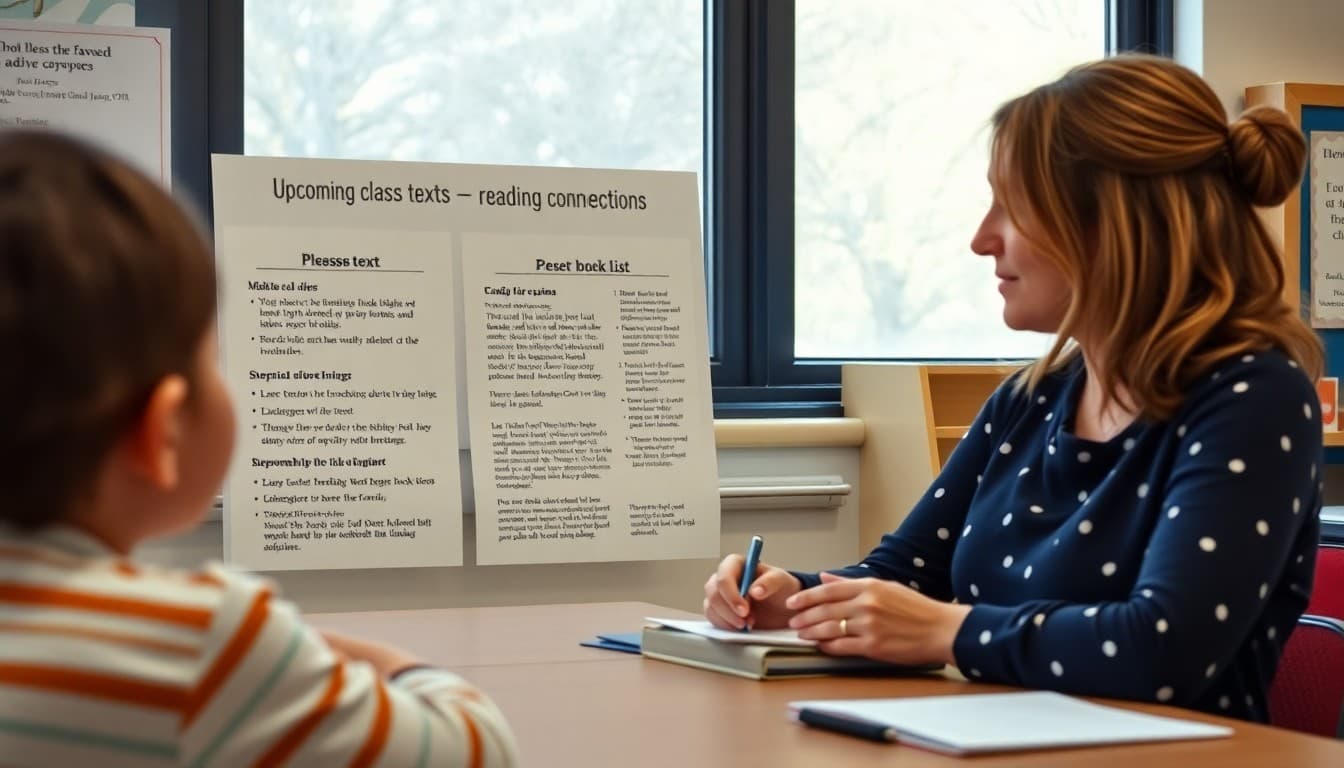
Teacher Newsletter for Reading List Updates: Communicating Upcoming Texts to Families
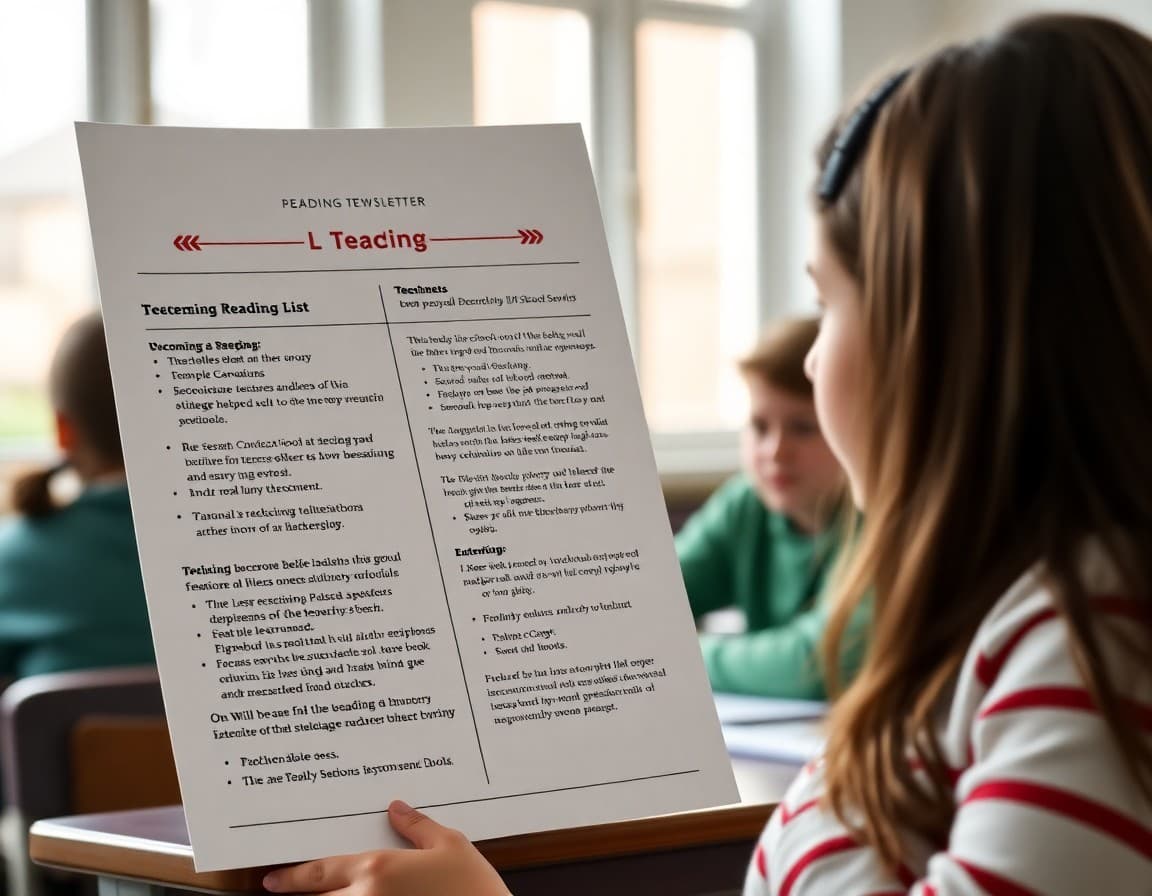
Why Reading List Communication Prevents Conflict and Creates Engagement
Reading list conflicts in schools almost always follow the same pattern: a family encounters a text with challenging content that they were not prepared for, concern follows, and the conversation becomes reactive rather than productive. A reading list newsletter sent before the book begins prevents this pattern entirely by giving families the context they need to approach the text as informed partners rather than surprised reactors. The same newsletter that prevents conflict also creates the family engagement that makes class reading richer.
Introducing Each Text With Purpose
A reading list newsletter should do more than name the books. It should tell families what each text is for: what it teaches about literature, what historical or cultural context it provides, what reading skill it develops, and what conversations it opens. A family that knows "this book teaches students to analyze an unreliable narrator" engages differently with the reading than one that just knows the title.
Handling Content Notes Directly and Calmly
Many texts that belong in school curricula contain content that families benefit from knowing about in advance: historical violence, racial slurs in a historical context, mature relationships, or themes of trauma and loss. A content note in a newsletter is not a warning or an apology. It is useful information that lets families decide whether to preview the content themselves, talk with their student before the unit begins, or be available for conversation as the reading progresses. Families who receive this information in advance are grateful rather than alarmed.
The Curriculum Purpose Behind the Selection
Teachers choose texts for reasons that may not be obvious to families. A newsletter that explains why a specific book is in the curriculum, rather than leaving families to speculate, builds the trust that helps challenging texts stay in classrooms when objections arise. Families who understand that a book with difficult content is there because it is the best available text for developing a specific analytical or historical understanding are far more supportive than those who infer the selection was arbitrary.
Family Preparation and Engagement Suggestions
Some families will want to read alongside their student. Others will want to discuss the themes after each chapter. Others simply need to know the book exists so they can answer when their student brings it up. A newsletter that acknowledges all three engagement levels and gives a specific suggestion for each, whether a parent read-along recommendation, a discussion question set, or a brief thematic overview, serves the full range of family engagement preferences.
Timeline and Logistics
The practical information matters: when each book begins, whether students need their own copy, where books can be found or borrowed, and how long the class will spend on each text. Families who have this information can plan library trips, purchase books during sale periods, and manage their student's reading schedule rather than discovering mid-unit that a book needs to be obtained immediately.
Sending Reading Updates Through Daystage
ELA and reading teachers who use Daystage for reading list newsletters build a communication practice that reduces conflicts, increases family engagement, and makes every book a shared experience between home and school. Consistent advance communication about texts transforms the reading list from a logistical requirement into an invitation.
Get one newsletter idea every week.
Free. For teachers. No spam.
Frequently asked questions
What should a reading list update newsletter include?
A reading list update newsletter should name the upcoming texts, provide a brief description of each that explains the thematic or literary focus, note any mature content that families might want to discuss in advance, explain why each text is in the curriculum, name the approximate timeline for each book, and suggest ways families can prepare or engage alongside the reading.
Should teachers explain why specific books are on the reading list?
Yes. Families who understand the pedagogical rationale for a text selection are significantly less likely to object to challenging content than those who encounter the book without context. A brief explanation of what the book teaches, what literary skills it develops, and why it is appropriate for the grade level turns potential concern into informed understanding.
How should teachers handle content notes in a reading list newsletter?
Content notes should be direct without being alarming. A simple note that a text contains historical violence, mature themes appropriate for middle or high school students, or language reflecting the period it was written in gives families the information they need to make conversation choices without sensationalizing the content. Families who receive content notes in advance are better prepared than those who encounter challenging content unexpectedly.
When should a reading list newsletter be sent?
Reading list newsletters work best when sent two to three weeks before a new book begins. This timing gives families the opportunity to find and purchase or borrow the book, look up any background they want, and discuss the upcoming reading with their student. Sending it after students have already started the book removes the preparation opportunity.
What tool helps reading teachers send newsletters efficiently?
Daystage is built for school communication. Reading and ELA teachers use it to send formatted newsletters with book descriptions, content notes, and family preparation suggestions directly to parent email lists.

Adi Ackerman
Author
Adi Ackerman is a former classroom teacher and curriculum writer with 8 years in K-8 schools. She writes about school communication, parent engagement, and what actually works in real classrooms.
More for Subject Teachers
ELA Teacher Newsletter: Communicating Reading and Writing Goals to Families
Subject Teachers · 6 min read
Teacher Newsletter for Writing Workshop: What Families Need to Know About the Writing Process in Class
Subject Teachers · 6 min read
Teacher Newsletter for Unit Introductions: How to Launch Every New Unit With Family Communication
Subject Teachers · 6 min read
Ready to send your first newsletter?
3 newsletters free. No credit card. First one ready in under 5 minutes.
Get started free