
Science Teacher Newsletter: Club and Activity Newsletter Templates
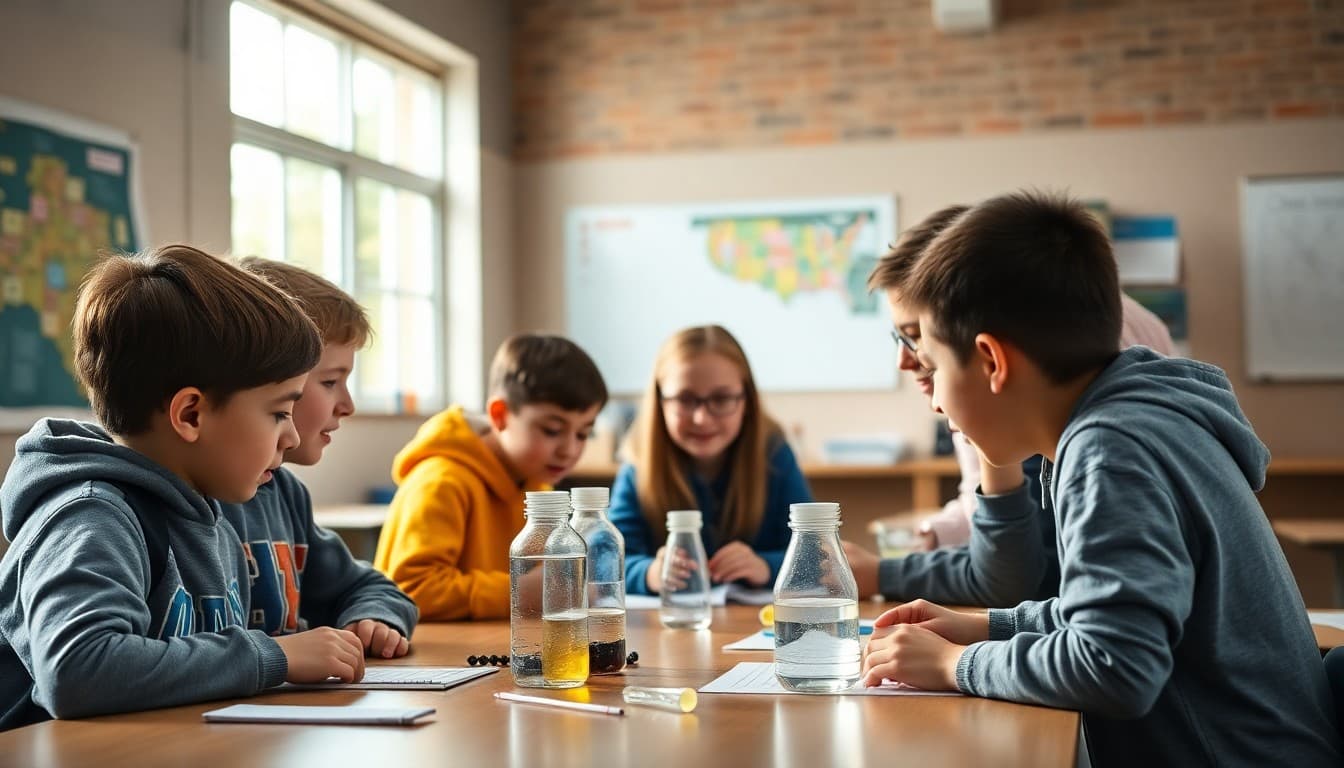
Science extracurriculars produce some of the most memorable learning experiences a student can have in school. Science Olympiad teams work on problems for months. Science fair projects answer questions students actually care about. Robotics clubs build things that move and compute. A well-written newsletter that makes these opportunities visible and accessible builds the pipeline of engaged science students your program needs and your students deserve.
Map Every Science Enrichment Opportunity
Before writing your newsletter, list every science extracurricular available to your students. At the elementary and middle school level: Science Olympiad Invitational Division (grades 6 to 9), FIRST Lego League (grades 4 to 8), Science Olympiad Jr. (grades 3 to 6), regional science fairs, 4-H STEM competitions. At the high school level: Science Olympiad Division C (grades 9 to 12), FIRST Robotics Competition, regional and state science fairs, Science Olympiad B tournament, Science Bowl, Physics and Chemistry Olympiads, and NASA-affiliated competitions. University outreach programs and summer research opportunities round out the picture. Your newsletter should name all of these.
Recruiting for Science Club
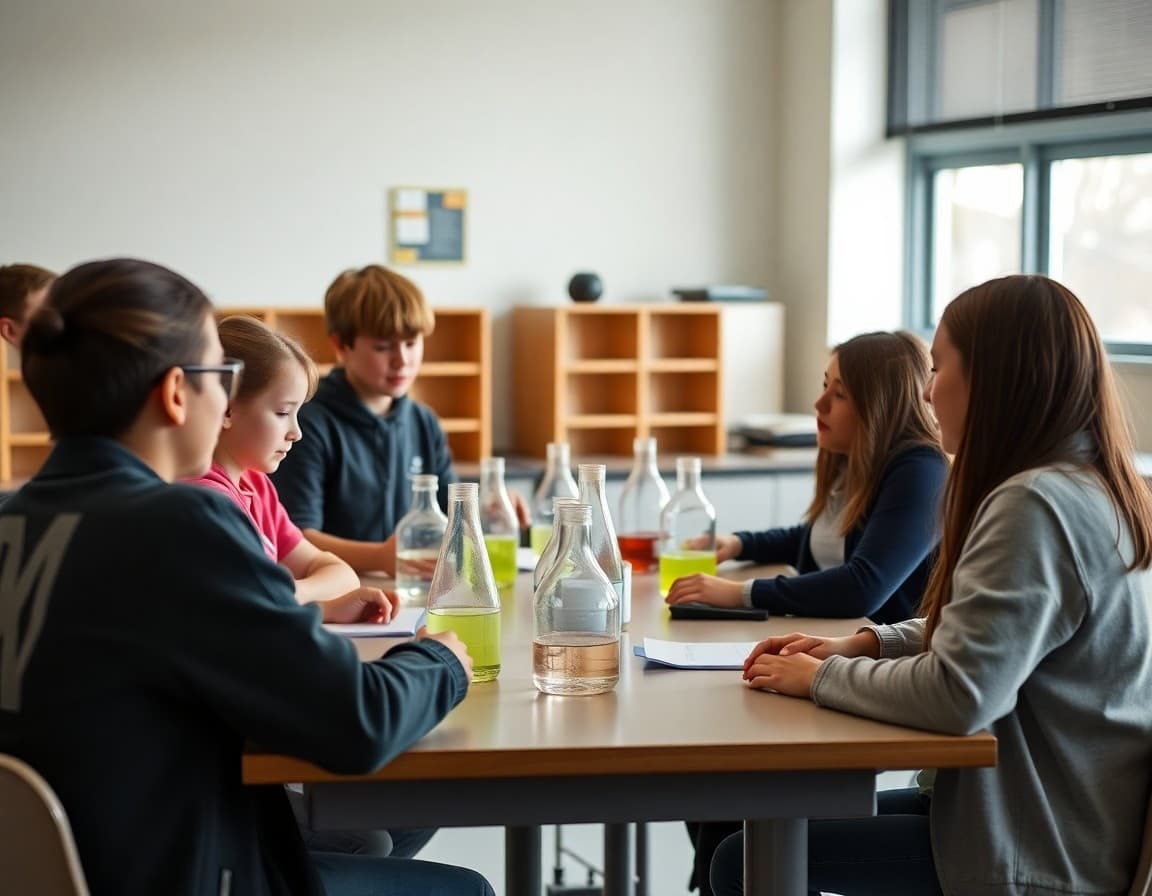
The most effective science club recruitment newsletters describe what the club actually does, not just that it exists. "Science club meets every Wednesday from 3 to 4:30 in Room 203. This month we are building trebuchets and testing different projectile weights. Next month we will grow bacteria cultures and analyze the results. We have 12 students currently. We are looking for students who are curious, willing to try things that might not work, and interested in hands-on investigation. No experience required." That description gives students and families a specific picture of what they would be joining.
Science Fair Guidance
A science fair newsletter that describes what makes a strong project is more useful than one that just announces the competition. "The most common reason students submit weak science fair projects is choosing a question that cannot be experimentally tested. 'Which brand of paper towel absorbs the most water?' is a testable question. 'Is climate change real?' is not testable by a middle school student. I will help every student who comes to me before October 15 find a testable question they are genuinely interested in. The first step is writing down three things you are curious about." That guidance makes the process accessible and prevents the most common first mistake.
Science Olympiad Explained
Science Olympiad is one of the most academically demanding extracurricular activities in American schools, and one of the most rewarding. Your newsletter should describe the 23-event format, the range of science and engineering involved, the team dynamics, and the preparation timeline. "Teams of 15 students prepare for events from September through May. Some events require individual study of a specific topic. Some require building a device. Some require collaborating in real time on a lab under competition conditions. Students typically specialize in five to eight events based on their interests and strengths." That description helps families understand the scope of the commitment and the nature of the collaboration.
Robotics: What FIRST Actually Involves
FIRST programs are widely known but frequently misunderstood. Your newsletter can clarify what participation actually looks like. "FIRST Lego League teams of six students design, build, and program a Lego robot to complete a series of missions on a table-sized field. They also complete a research project on a real-world science problem and present it to judges. Meetings run September through January, typically two afternoons per week. Skills developed include programming, mechanical engineering, teamwork, and scientific presentation." Specific time commitment information helps families assess whether the program is feasible for their student.
Reporting on Competition Results
After competitions, send a brief update to your school community. "Our Science Olympiad team competed in the regional tournament last weekend. We placed fourth out of 18 teams. Our top events were Forensics (second place) and Write It Do It (third place). Two students earned individual recognition for their performance in Astronomy. We are already preparing for the invitational tournament in April." Students who see their results recognized in a school newsletter are motivated to continue, and families who read the results are proud and supportive.
Making Science Extracurriculars Accessible
Competition fees, travel costs, and equipment expenses can be barriers to participation for some families. If your school or club has scholarships, fee waivers, or fundraising to cover costs, describe them explicitly. "No student will be excluded from Science Olympiad participation due to competition fees. We have a small fund to cover registration for families who need support. Contact me directly and confidentially if this applies to your student." That sentence removes a barrier that would otherwise prevent motivated students from participating.
Get one newsletter idea every week.
Free. For teachers. No spam.
Frequently asked questions
What extracurricular science opportunities should I mention in a newsletter?
Name every science enrichment opportunity available at each level: Science Olympiad for grades 6 to 12, Science Fair at the school, regional, state, and national levels, FIRST Robotics and FIRST Lego League for engineering and robotics, ocean sciences competitions like the National Ocean Sciences Bowl, environmental science clubs, astronomy clubs, and any university outreach programs. For younger students: Science Olympiad Jr., 4-H science competitions, and Destination Imagination. Families who are unaware of these opportunities cannot encourage their students to pursue them.
How do I recruit students who do not think they are 'science people' for science club?
Lead with curiosity, not competence. 'Science club is for students who have questions about how things work, who want to build or test something, or who want to try experiments that we do not have time for in class. You do not need to be top of your class in science. You just need to be curious and willing to try things that might not work the first time.' That framing reaches a wider range of students than a recruitment pitch focused on academic achievement.
How do I describe Science Olympiad in a newsletter for families who have never heard of it?
Describe the format specifically: 'Science Olympiad is a team academic competition for grades 6 to 12. Teams of 15 students compete in 23 events covering biology, chemistry, physics, earth science, and engineering. Events range from building a birdhouse to completing a chemistry lab to identifying fossils to programming a robot. The competitions are highly challenging and deeply engaging. Our school has sent teams to regionals for the past four years.' That description gives families a concrete picture of what participation involves.
How do I write about science fair in a way that motivates families?
Connect the science fair process to real scientific practice. 'Science fair is not about which project looks the most impressive. It is about choosing a question you are genuinely curious about, designing a study to investigate it, and presenting your findings clearly. Students who win regional and state competitions typically have well-controlled experiments, honest analysis of their results, and genuine passion for their question. The project that wins is not always the most sophisticated; it is the one where the student can explain every decision they made.'
What newsletter tool works well for science club communication?
Daystage lets you send science club newsletters to students who have expressed interest, with photos from recent activities, upcoming competition dates, and meeting logistics in a clean format. A newsletter with a photo from last week's robotics build session is more effective at recruiting new members than any amount of text description.

Adi Ackerman
Author
Adi Ackerman is a former classroom teacher and curriculum writer with 8 years in K-8 schools. She writes about school communication, parent engagement, and what actually works in real classrooms.
More for Subject Teachers
Ready to send your first newsletter?
3 newsletters free. No credit card. First one ready in under 5 minutes.
Get started free