

School Enrichment Coordinator Newsletter: Communicating Program Offerings and Enrollment to Families
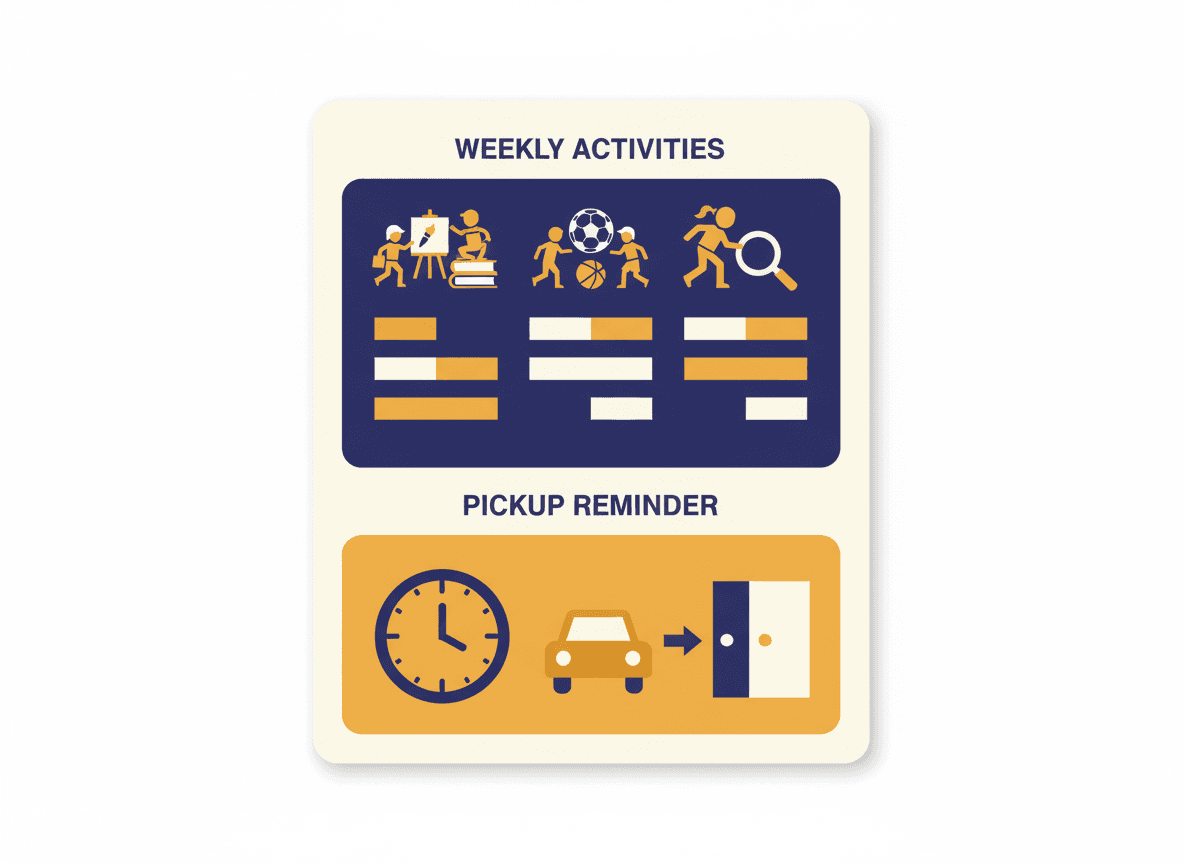
School enrichment coordinators manage a diverse portfolio of extended learning opportunities: after-school clubs, summer programs, academic intensives, arts experiences, and STEM camps. The value of these programs depends entirely on how many students participate, and participation depends on families knowing the programs exist, understanding what they offer, and receiving clear enrollment instructions. A well-timed, descriptive newsletter from the enrichment coordinator directly drives enrollment.
This guide covers what to include in an enrichment coordinator newsletter, how to write program descriptions that generate enrollment, and how to manage the communication calendar around enrollment windows.
Enrollment season newsletters: the most important communication you send
The newsletter that goes out when enrollment opens determines how your programs fill. Send it far enough in advance that families have time to discuss it, apply for financial assistance if needed, and complete the registration process without rushing. Two weeks before enrollment opens for a preview, and the day enrollment opens with the direct link, is a strong two-newsletter sequence for any program cycle.
Include clear, direct enrollment instructions every time. How to register, the deadline, what happens if the program fills, and what the waitlist process looks like. Families who encounter confusion in the enrollment process drop out. Remove every possible barrier.
Program descriptions that actually drive enrollment
Generic program descriptions do not produce enrollment. Specific descriptions do. Instead of "Science Club: students explore science concepts after school," try "Science Club: students design and run their own experiments each week. This session's focus is forensic science. Students will learn fingerprinting techniques, chromatography, and observation skills in a series of mock crime scene investigations." The second description tells a student exactly what they will do and whether it sounds exciting to them.
Include the age range, the session length, the number of meetings, and the instructor's name or background. Families who know who is running the program are more likely to enroll than families who see only a program title.
Financial accessibility communication
Enrichment programs can have the unintended effect of widening the gap between students whose families can afford fees and those who cannot. A newsletter that includes financial assistance information as a standard section, written neutrally and without stigma, ensures that every family knows their options. "Need-based fee reduction and scholarship spots are available for all programs. To apply, complete the confidential form at [link] by [date]." That single paragraph can significantly expand access to your programs.
Celebrating what students did in the last session
A post-session newsletter that covers what students accomplished in the last enrichment program serves two purposes: it celebrates the students who participated and it recruits for the next session. A family whose neighbor's child is featured in a newsletter building robots or performing in a talent showcase considers enrolling their own student in the next cycle in a way they would not after receiving a generic enrollment announcement.
Using Daystage for enrichment program newsletters
Daystage scheduling features let you prepare and schedule enrollment newsletters in advance so they arrive in family inboxes at exactly the right moment. Build your semester preview newsletter, your enrollment-open newsletter, and your post-session celebration newsletter as a package at the start of the year. Schedule them to send on the dates that match your program calendar. Consistent, well-timed communication builds a community of families who expect and look forward to enrichment enrollment season.
Get one newsletter idea every week.
Free. For teachers. No spam.
Frequently asked questions
What should a school enrichment coordinator newsletter include?
Cover the current season's program offerings with descriptions, enrollment instructions and deadlines, what students typically experience in each program, and any financial assistance options available. Families who understand what is offered and how to enroll use the programs. Families who receive vague information about enrichment do not.
How often should an enrichment coordinator send newsletters?
At the start of each enrollment window, which is typically each semester or quarter. Add a mid-window reminder when spots are still available. A follow-up newsletter after each session celebrating what students did keeps the community engaged between windows.
How do I communicate about financial assistance for enrichment programs without stigmatizing families?
Include financial assistance information in every enrollment newsletter as a standard section, not a special case. State the process plainly: scholarships and reduced-fee options are available. Here is how to apply. Families who need assistance can act on the information quietly. Families who do not need it can skip the section. Making it standard removes the barrier to asking.
How do I describe enrichment programs so families understand what their student will actually do?
Describe a typical session, not just the program title. A program called Young Engineers means nothing. A program where students build simple machines using craft materials, learn the physics behind them, and enter a design challenge in the final session means something specific. Families who know what to expect enroll more readily and have more realistic expectations.
Can Daystage manage enrollment season newsletters with tight deadlines?
Yes. Daystage lets you schedule newsletters to go out at specific times, which is useful for enrollment windows that open on a specific date and fill quickly. A newsletter scheduled to arrive in family inboxes the morning enrollment opens gives everyone a fair start and reduces the pressure on your office from families who missed the announcement.

Adi Ackerman
Author
Adi Ackerman is a former classroom teacher and curriculum writer with 8 years in K-8 schools. She writes about school communication, parent engagement, and what actually works in real classrooms.
More for Subject Teachers
JROTC Instructor Newsletter: Communicating Program Values, Events, and Cadet Development to Families
Subject Teachers · 6 min read
School IT Coordinator Newsletter: Communicating Tech Updates, Safety, and Device Policies to Families
Subject Teachers · 6 min read
Special Education Newsletter for Parents: IEPs, Services, and Family Communication
Subject Teachers · 7 min read
Ready to send your first newsletter?
3 newsletters free. No credit card. First one ready in under 5 minutes.
Get started free