
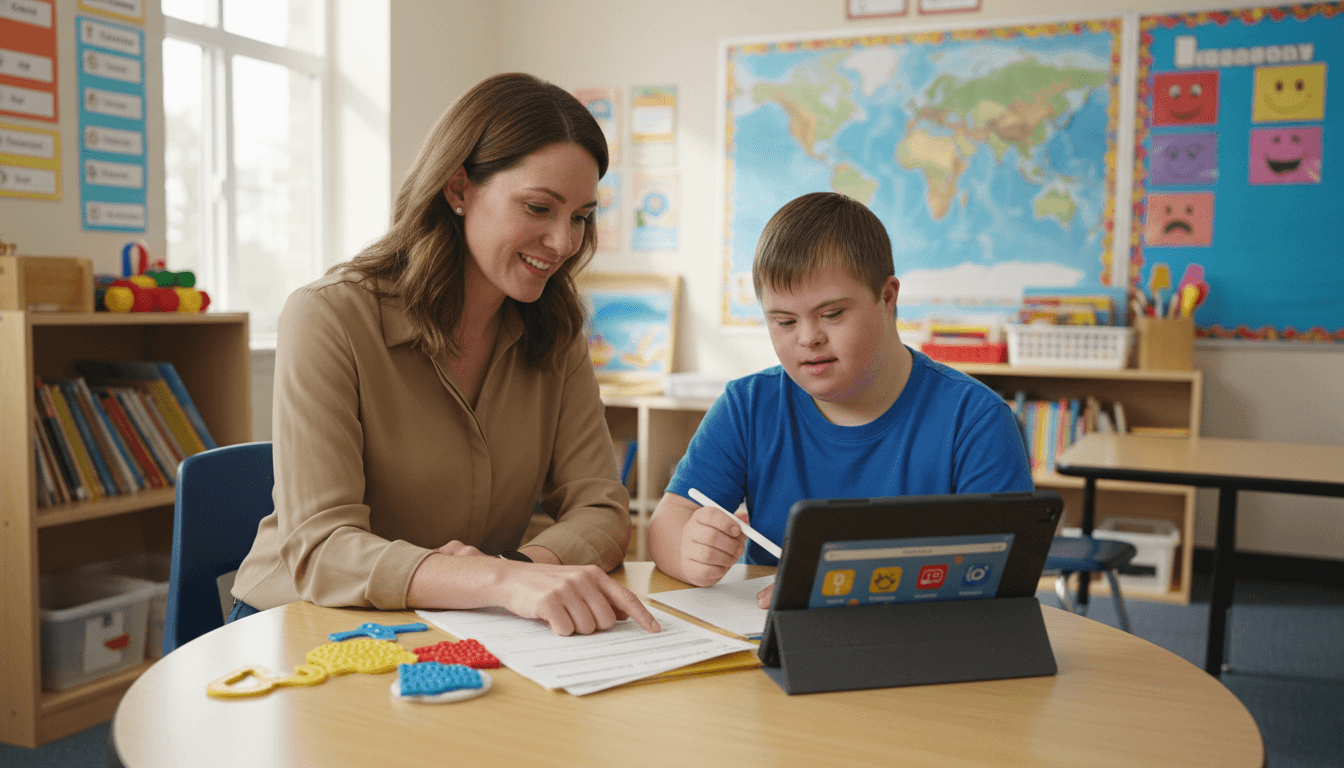
Special Education Newsletter for Parents: IEPs, Services, and Family Communication
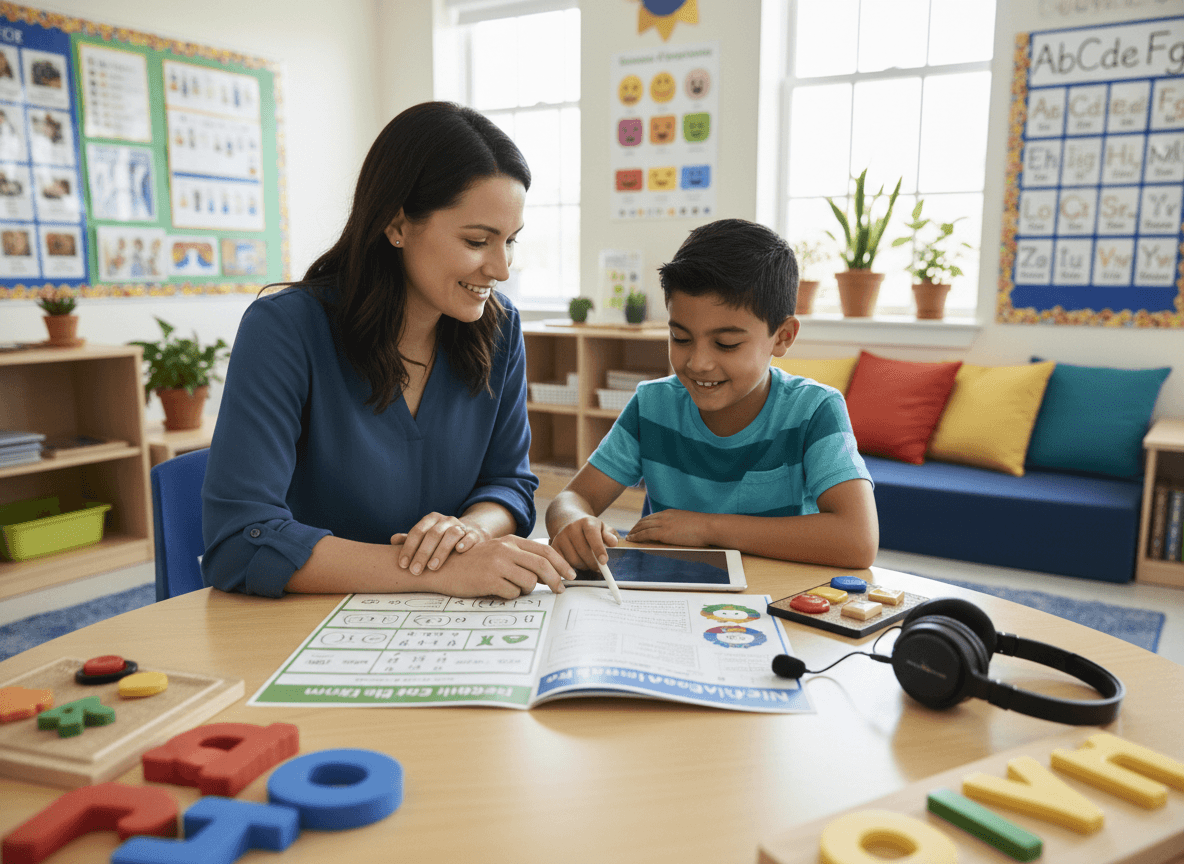
Special education teachers are among the most communication-intensive educators in any school. IEP meetings, progress reports, service coordination, and daily check-ins all require clear, consistent family contact. A regular newsletter does not replace any of that. it supplements it by giving families ongoing context between the formal touchpoints. When parents understand what their child is working on, why specific supports are in place, and how to reinforce skills at home, the partnership between home and school becomes a real asset to the student.
This guide covers what to include in a special education newsletter, how to write about IEP services in plain language, and how to keep communication consistent without adding hours to an already full workload.
The case for a special education newsletter
Families of students with IEPs often feel like their primary communication channel is formal and high-stakes: annual IEP meetings, quarterly progress reports, and calls when something goes wrong. A regular newsletter changes the tone. It makes ongoing communication feel normal, low-pressure, and informative rather than procedural.
It also reduces the number of individual parent inquiries you field. When families already know what skills are being targeted, what accommodations are in place, and what progress looks like, they ask fewer clarifying questions and engage more meaningfully in conversations about their child.
What to include in a special education newsletter
- Current focus areas. What skills or goals are you working on with students this month? Keep this general enough to apply across your caseload while still giving families a clear picture. "This month we are focusing on reading fluency strategies and self-monitoring during independent work" tells families what to watch for at home without disclosing individual student details.
- How services work, explained plainly. Many families do not fully understand the difference between push-in and pull-out services, what a resource room does, or what related services like OT and speech actually look like day to day. Use the newsletter to explain one service or support structure per issue. Families who understand the system advocate more effectively and support more accurately.
- IEP process reminders. When annual reviews are approaching, when progress reports go home, when you need families to return paperwork. the newsletter is the right place to communicate these timelines in a low-pressure way. "IEP review season begins next month. You will receive a meeting invitation by email. Please respond to schedule your time." Simple. Proactive. Reduces last-minute scheduling chaos.
- Strategies families can use at home. One concrete, practical strategy per newsletter. Break tasks into smaller steps. Use a visual timer. Practice reading for ten minutes with a specific fluency technique. These home strategies reinforce what you are doing in school and give families an active role in their child's progress.
- Upcoming events and schedule changes. Testing windows, field trips, adjusted service schedules, school breaks. any change to routine is worth flagging for families of students with IEPs, who often manage transitions more carefully than general education families need to.
Writing about disabilities and services with care
Special education newsletters serve a diverse group of families. Some parents have deep knowledge of their child's disability and want technical detail. Others are still processing a recent diagnosis. Some families prefer person-first language. Others prefer identity-first language. Your newsletter cannot perfectly address all of these preferences at once, but you can write in a way that is clear, respectful, and non-stigmatizing.
Avoid clinical jargon unless you define it. "Executive function" means nothing to many families without context. "The skills that help students plan, organize, and get started on tasks" is immediately understandable. Write for the parent who is doing their best to understand, not for the colleague who already knows the terminology.
Frame progress in terms of what students are doing and learning, not what they cannot do. "Students are building their reading stamina" is more motivating and accurate than "students with reading delays are working to catch up."
Managing individual communication alongside the newsletter
A newsletter is not a substitute for the individual communication that special education requires. Some families need more frequent check-ins. Some students have complex needs that require daily contact. The newsletter handles the general communication load. what all families benefit from knowing. so that your individual communication bandwidth goes to the families and students who need it most.
Using Daystage to send your special education newsletter
Daystage's subscriber list feature lets you send to your specific caseload without using the school's general newsletter. That matters in special education, where confidentiality requires that you send only to relevant families rather than the whole school. Build your newsletter in blocks: current focus, one service explained, one home strategy, reminders, how to reach you. A consistent monthly format helps families know what to expect and where to find the information they need.
Consistent communication builds the partnership students need
The students you serve need home and school to be pulling in the same direction. A regular newsletter is one of the most practical ways to make that happen. It keeps families informed, reduces anxiety, and creates the shared understanding that makes IEP partnerships actually work.
Get one newsletter idea every week.
Free. For teachers. No spam.
Frequently asked questions
When should special education teachers send newsletters to parents?
Monthly newsletters are the right cadence for special education teachers. Monthly communication is frequent enough to keep IEP families informed and engaged without creating overload on top of the formal progress reports, meetings, and individual check-ins that special education already requires.
What should a special education teacher newsletter include?
Cover current focus areas in plain language, explain one service or support structure per issue (push-in vs. pull-out, what a resource room does), remind families about upcoming IEP timelines, share one concrete home strategy (break tasks into steps, use a visual timer), and flag any schedule changes relevant to students with IEPs who often manage transitions more carefully than general education peers.
How often should special education teachers communicate with parents by newsletter?
Monthly is the recommended frequency. The newsletter supplements, but does not replace, individual communication. It handles what all caseload families benefit from knowing, freeing your individual communication bandwidth for the students and families who need the most direct contact.
What are common mistakes special education teachers make in parent newsletters?
Using clinical jargon without translation is a common mistake: 'executive function' means nothing to many families without context, while 'the skills that help students plan, organize, and get started on tasks' is immediately understandable. A second mistake is framing progress in terms of what students cannot do rather than what they are building toward.
What tool helps special education teachers send newsletters to the right families?
Daystage's subscriber list feature lets you send to your specific caseload rather than the whole school, which matters in special education where confidentiality requires targeted rather than broadcast communication. Build each newsletter in blocks: current focus, one service explained, one home strategy, schedule reminders, how to reach you.

Adi Ackerman
Author
Adi Ackerman is a former classroom teacher and curriculum writer with 8 years in K-8 schools. She writes about school communication, parent engagement, and what actually works in real classrooms.
More for Subject Teachers
Teacher's Aide and Paraprofessional Newsletter: How to Communicate Your Role to Families
Subject Teachers · 6 min read
Curriculum Director Newsletter: Communicating Instructional Changes to Schools and Families
Subject Teachers · 7 min read
Learning Center Teacher Newsletter: Communicating Support Services and Academic Progress to Families
Subject Teachers · 6 min read
Ready to send your first newsletter?
3 newsletters free. No credit card. First one ready in under 5 minutes.
Get started free