
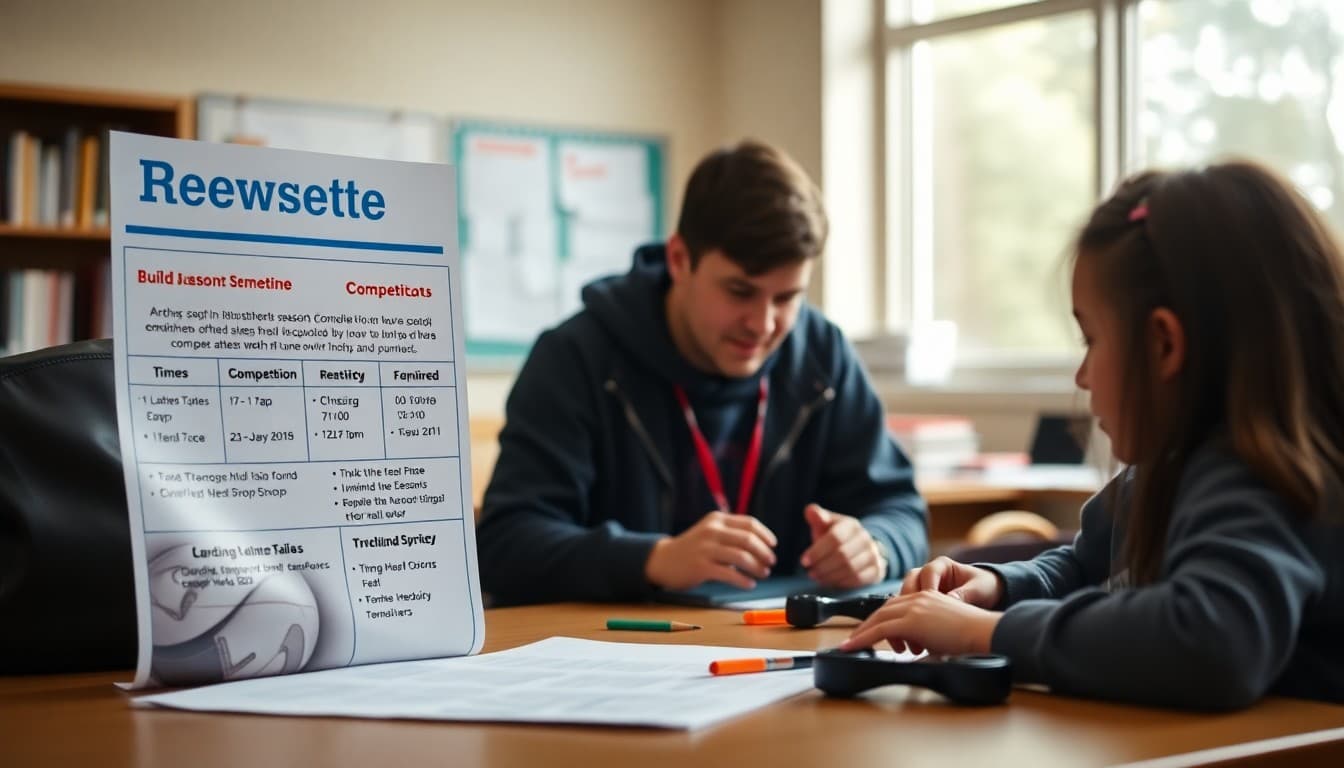
Robotics Teacher Newsletter Examples for Every Phase of the Season
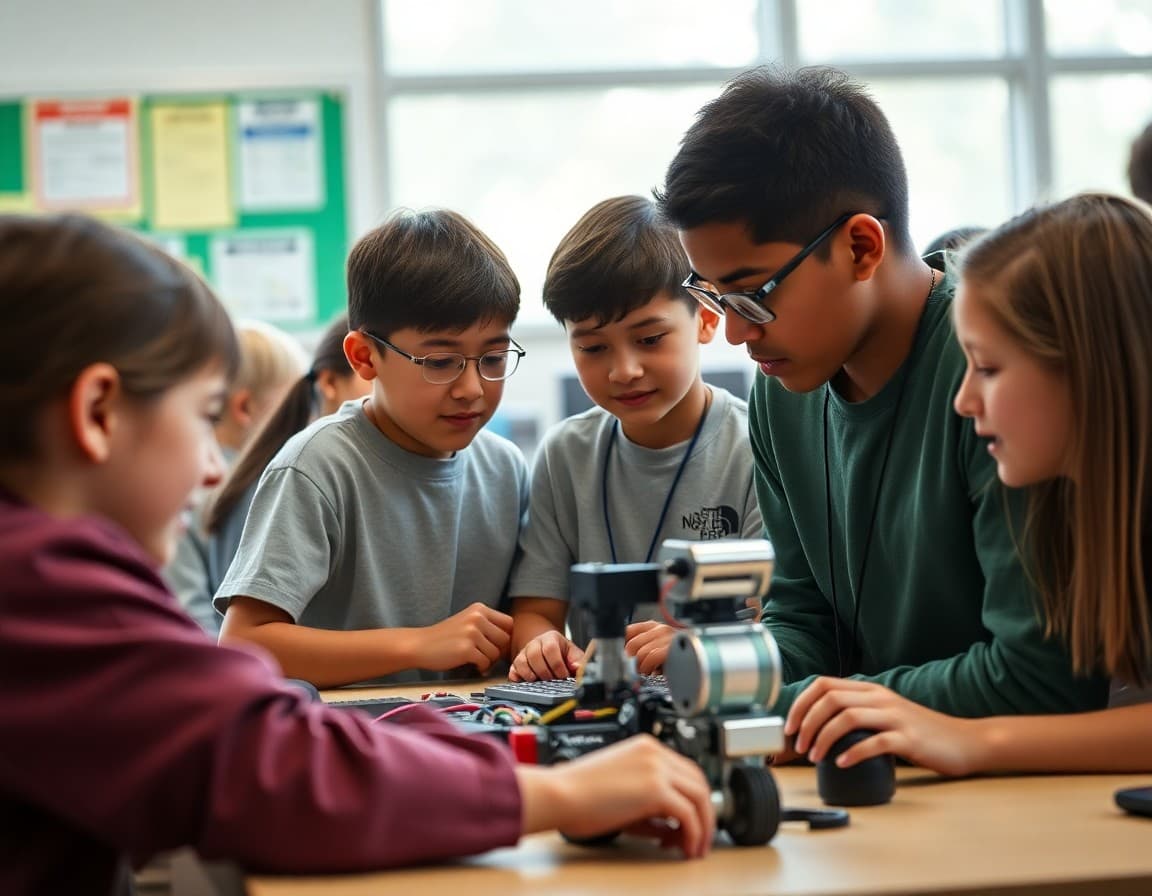
Robotics Newsletters Work Best With Clear Phase Labels
The robotics season does not follow a standard school calendar. Organize your newsletters around the phases of the build cycle and parents will always know where they are in the season.
Example 1: Season Kickoff Newsletter
"Welcome to robotics. This year's challenge requires teams to build a robot that can [describe this year's game objective]. Our team has six weeks of build time before the first competition on [date]. Team roles this year include programmers, mechanical designers, builders, and drive team members. Every student will contribute to at least two areas. Competition dates and locations are listed below. Parent volunteers are welcome at competitions and I will share sign-up information in the next newsletter."
Example 2: Design Phase Update
"We are in week two of our design phase. Students have analyzed the game challenge and are now brainstorming robot architectures. This week teams are building three different prototype mechanisms to test which approach handles [specific game element] most reliably. Prototyping involves building simple, fast versions of ideas to test them before committing to a final design. Expect to hear about plenty of things that did not work. That is exactly how good engineering happens."
Example 3: Pre-Competition Newsletter
"Our first competition is [date] at [location]. Students should arrive by [time]. If you plan to attend, doors open at [time] and the event runs until approximately [time]. Students competing that day should get a full night of sleep, eat a good breakfast, and arrive with their drive team ready to strategize. The team has been working hard and the robot is competition-ready. Come cheer them on if you can."
Example 4: End-of-Season Reflection
"Competition season is complete. Our team [describe performance]. More importantly, students this year developed skills in programming, mechanical design, collaboration under pressure, and presenting their work to judges. These skills transfer directly to engineering, computer science, and any field that involves solving complex problems in teams. Next year's team will build on everything we learned. Information about returning next year will come home in the final week of school."
Using These Examples
Each example is 100 to 130 words. Update the dates, challenge details, and team-specific information. Combine two examples per newsletter send and you have a complete 250-word newsletter in under 20 minutes of writing.
Get one newsletter idea every week.
Free. For teachers. No spam.
Frequently asked questions
What should a robotics newsletter say at the start of the year?
Explain the season structure (design, build, test, compete), describe the challenge or game for this year, outline team roles, and give parents the competition calendar. This one newsletter sets expectations for the entire year.
What does a good robotics newsletter look like during build season?
Describe what students are currently building, what engineering problem they are solving, and what design decisions they have made or are debating. A brief mention of what is working and what still needs iteration gives parents a genuine sense of the process.
How should I write about a competition in a robotics newsletter?
Include the date, location, arrival time, parent attendance information, and what the team's goals are. Acknowledge the work students have put in. Tell parents how they can support the team on competition day.
Should robotics newsletters include photos of the robot?
Yes, whenever possible. A photo of the current robot build makes the newsletter immediately more engaging and gives parents a visual connection to the work their student is doing.
What tool helps robotics teachers send newsletters with images and schedules?
Daystage supports images and structured layouts, making it easy to share robot build photos, competition schedules, and team updates in a single professional newsletter sent to all robotics families.

Adi Ackerman
Author
Adi Ackerman is a former classroom teacher and curriculum writer with 8 years in K-8 schools. She writes about school communication, parent engagement, and what actually works in real classrooms.
More for Subject Teachers
Ready to send your first newsletter?
3 newsletters free. No credit card. First one ready in under 5 minutes.
Get started free