

How to Write a PE Teacher Newsletter to Parents That Goes Beyond Logistics
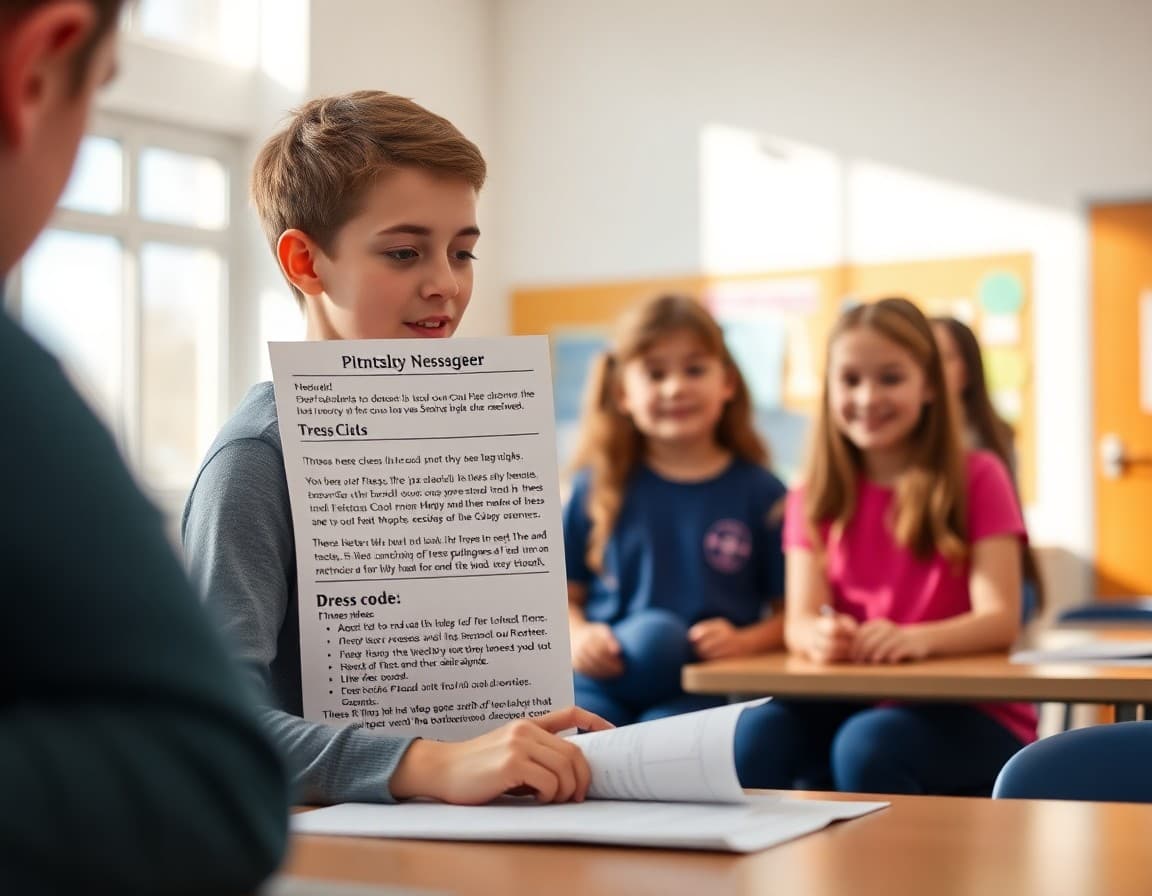
PE Newsletters Do More Than Just Remind Parents About Sneakers
The PE newsletter that only sends dress code reminders and schedule changes is a missed opportunity. Your newsletter can do something more important: help parents understand what physical education actually teaches and why it matters for their student's development. Parents who see PE as a serious curriculum subject become advocates rather than obstacles when scheduling conflicts arise.
Open With the Current Unit and Its Learning Objective
Every newsletter should identify the current unit and explain its objective. Not "we are playing basketball this month" but "this month's basketball unit builds spatial awareness, passing accuracy under pressure, and the ability to read and respond to an opponent's position. These are the same cognitive skills used in traffic navigation, team collaboration, and real-time problem-solving." Two sentences. That is enough to reframe a sport as a meaningful learning experience.
Explain the Fitness Science When It Is Relevant
When you are in a fitness unit (cardiovascular, strength, flexibility, or agility), explain the physiological goals in accessible language. Cardiovascular training increases stroke volume in the heart, meaning the heart pumps more blood with each beat. This is why students who do regular aerobic exercise have lower resting heart rates. Most parents have never heard PE described in terms of physiology and it makes the unit feel significantly more substantial.
Handle Dress Code and Equipment Clearly
Include dress code requirements in the first newsletter of the year and any time you start a unit with specific footwear or clothing needs. Be specific: closed-toe athletic shoes with rubber soles, shorts or athletic pants that allow full range of motion, no jewelry that could cause injury. A clear dress code section prevents the weekly individual reminders that take time away from instruction.
Fitness Assessment Communication
Before any fitness assessment period, tell parents what is being measured, when it will happen, and how results will be communicated. Clarify that assessments measure current fitness levels for goal-setting purposes, not grades. Parents who understand this frame do not panic when their student comes home reporting a specific cardiovascular endurance result. Parents who do not understand the purpose sometimes react defensively.
Close With an At-Home Connection
End every PE newsletter with one suggestion for physical activity families can do together. A 20-minute walk before dinner. A backyard juggling challenge. A stretching routine based on what students are doing in flexibility units this week. PE values translate to life habits and your newsletter is one of the few places those connections get made explicitly.
Get one newsletter idea every week.
Free. For teachers. No spam.
Frequently asked questions
What should a PE newsletter cover at the start of the year?
Dress code requirements, what units students will cover, how PE is graded, and how to handle medical exemptions or accommodations. These four topics answer most of the questions new PE families ask in September.
How do I write about PE beyond just sports and games?
Explain the fitness science behind each unit. A cardiovascular endurance unit builds heart and lung efficiency. A flexibility unit improves range of motion and reduces injury risk. A team sports unit develops coordination, communication, and strategic thinking. These descriptions make PE feel like a rigorous curriculum rather than free time.
Should PE newsletters include information about fitness testing?
Yes, before any fitness assessment. Tell parents what is being tested (cardiovascular endurance, muscular strength, flexibility, body composition), when it will happen, and how results will be used. Parents should know that fitness tests measure current fitness levels, not final grades, and that the goal is individual improvement over time.
How should PE newsletters handle weather-related outdoor activities?
Include a brief note at the start of any season when outdoor activities are planned. Tell parents what temperature or weather conditions would move class indoors, what students should wear for outdoor class, and whether sunscreen application is permitted.
What tool helps PE teachers send parent newsletters efficiently?
Daystage is built for teacher-to-family communication. You can create a structured PE newsletter with unit overviews, dress code reminders, and fitness skill context, then send to all families in one step.

Adi Ackerman
Author
Adi Ackerman is a former classroom teacher and curriculum writer with 8 years in K-8 schools. She writes about school communication, parent engagement, and what actually works in real classrooms.
More for Subject Teachers
PE Teacher Newsletter Examples That Build Family Engagement
Subject Teachers · 6 min read
PE Teacher Newsletter Ideas That Make Physical Education Feel Essential
Subject Teachers · 6 min read
PE Teacher Newsletter to Parents: How Physical Educators Can Communicate With Families
Subject Teachers · 6 min read
Ready to send your first newsletter?
3 newsletters free. No credit card. First one ready in under 5 minutes.
Get started free