
PE Teacher Newsletter to Parents: How Physical Educators Can Communicate With Families
PE is one of the most underestimated subjects in the school. Parents often think of it as "running around," but physical education covers movement skills, teamwork, fitness concepts, health literacy, and lifelong habits. The problem is that most families never hear any of that. A PE newsletter changes the conversation.
This guide covers what to include in a physical education newsletter, how to explain the curriculum to families who may not have had structured PE in their own school experience, and how to extend active learning beyond the gym floor.
Why PE teachers should send newsletters
PE does not have homework in the traditional sense, so families do not see the content the way they see a math worksheet or a reading assignment. That invisibility is a real problem. If parents do not know what their child is learning in PE, they cannot support it at home, they cannot advocate for the program, and they default to seeing gym class as break time rather than instruction time.
A PE newsletter reframes the subject. It tells families that your class has a curriculum with skill progressions, assessments, and learning objectives. That shift in perception matters for program support and for how families talk about physical activity with their children.
How often to send a PE newsletter
Monthly newsletters work well for most PE teachers. PE units typically run three to four weeks, so monthly communication aligns naturally with unit transitions.
If you run any fitness testing cycles, health education units, or major events like field day or a fitness challenge, send an additional newsletter to flag those. Families appreciate advance notice for events that might require permission, special clothing, or parental participation.
What to include in a PE class newsletter
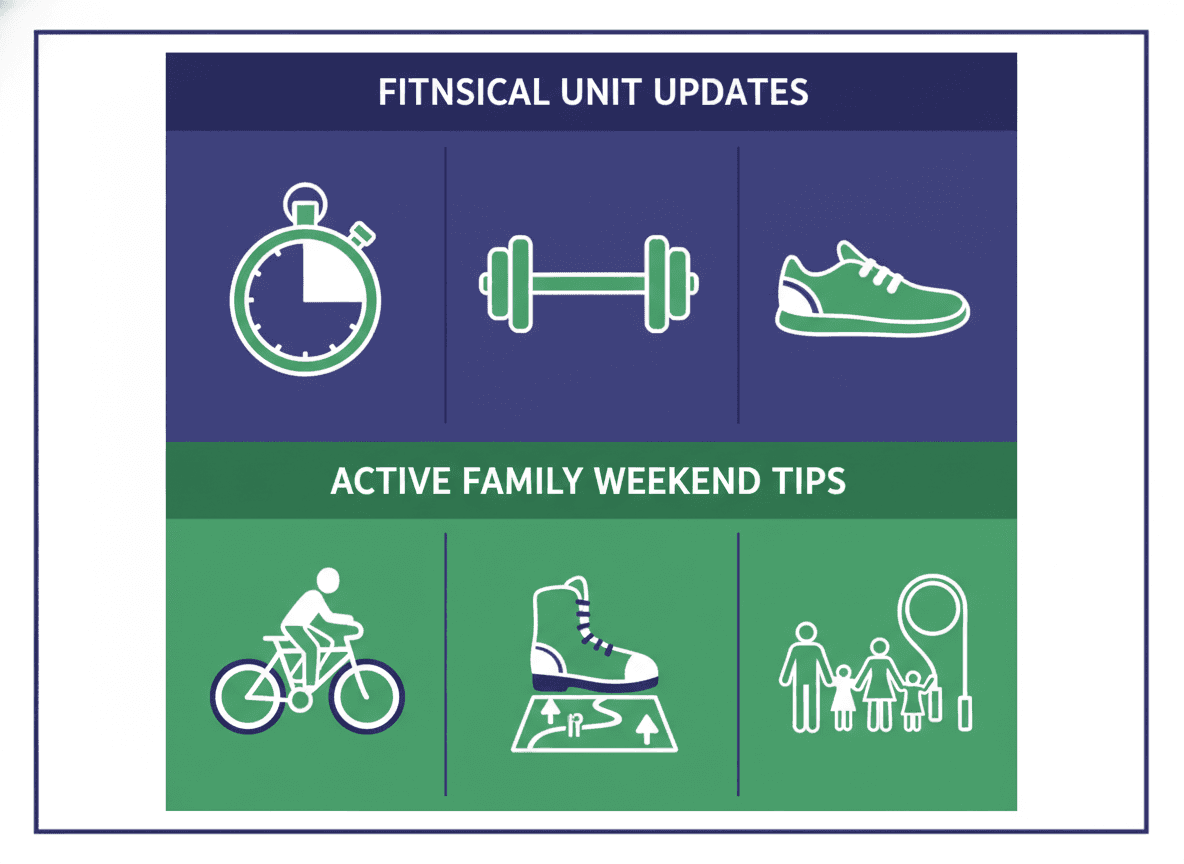
- The current unit and its skills focus. Name the unit and describe what students are actually learning. "We are in our volleyball unit, focusing on the overhand serve and cooperative play" is specific and useful. Add a sentence about the skill development underneath the sport: "Volleyball builds spatial awareness, timing, and team communication." That framing helps parents see past the game to the skill.
- The health or fitness concept in focus. Many PE programs include health education alongside physical skill development. If you are covering concepts like cardiovascular fitness, nutrition basics, stress management, or sleep hygiene, name them in your newsletter. These are topics families can reinforce at home, especially if they know the vocabulary you are using in class.
- What assessment looks like in PE. PE assessment confuses many families. Clarify it. "Students are assessed on skill execution and participation, not athletic ability. Every student who demonstrates effort and correct technique earns full credit." That sentence alone removes a lot of parental anxiety about grades in gym class.
- One active idea families can do together. This is where PE newsletters shine. Give families one simple activity they can do at home that connects to the unit. If students are working on throwing mechanics, suggest a ten-minute catch in the backyard. If the unit is on yoga, share one breathing exercise for bedtime. Make it accessible and specific.
- Dress code or equipment reminders. If students need specific footwear, clothing, or equipment, the newsletter is the right place to remind families. A gentle note about sneakers or lacing shoes is more effective in a newsletter than a sign on the gym door that no one reads.
Making PE feel like a serious subject to families
Physical education is increasingly recognized as a critical part of child development: physically, socially, and emotionally. But the perception lag is real. Many adults remember PE as dodgeball and rope climbing tests, and that image persists.
Your newsletter is the opportunity to update that image. When you describe how a cooperative game teaches conflict resolution, or how a fitness circuit builds self-regulation alongside cardiovascular endurance, you are showing families that PE has changed and that it matters in ways they may not have expected.
Avoid defensive framing ("PE is more than just playing games"). Just describe what you teach with the same confidence a math teacher describes algebra. The substance speaks for itself when you present it clearly.
Handling fitness testing and sensitive topics
Fitness testing and body composition topics can be sensitive. Some families have children who struggle with weight or body image, and a newsletter that references fitness metrics without care can cause real harm.
When communicating about fitness assessments, emphasize improvement and personal benchmarks rather than comparisons. "Students will complete the pacer run this week to establish a personal baseline for cardiovascular endurance. The goal is individual growth over time, not comparison to other students." That framing is accurate and protects vulnerable students.
Using Daystage to send PE newsletters quickly
PE teachers are often moving between gyms, fields, and classrooms. Sitting down to write a newsletter can feel like one more thing that does not fit in the day.
Daystage makes the drafting process fast: open the editor, write a unit overview block, add a home activity block, drop in a logistics note if needed, and send. The whole thing takes under ten minutes when you have a template to build from. Families receive a formatted email that looks professional and feels organized, which signals that you take your subject as seriously as any other teacher in the building.
Physical activity habits start with family involvement
The research on childhood physical activity is consistent: kids move more when their families model and encourage movement. Your newsletter is a direct line to that household. When a family reads that their child is working on a specific throwing skill this month and decides to spend fifteen minutes in the backyard on a Saturday, you have extended the impact of your teaching beyond the gym floor.
That is the goal. Keep your newsletter focused on one unit, one skill, and one actionable home idea. Done consistently, it builds the family engagement that PE programs need to be taken seriously and the healthy habits that last past graduation.
Get one newsletter idea every week.
Free. For teachers. No spam.
Frequently asked questions
When should PE teachers send newsletters to parents?
Monthly newsletters align naturally with PE unit transitions, since most units run three to four weeks. Send an additional newsletter when you run fitness testing, a health education unit, or a major event like field day, giving families advance notice for anything that requires permission, specific clothing, or participation.
What should a PE teacher newsletter include?
Cover the current unit and its skill focus, the health or fitness concept you are emphasizing, what PE assessment looks like (students are assessed on effort and correct technique, not athletic ability), one active activity families can do together at home, and any dress code or equipment reminders. The home activity section is where PE newsletters have a unique advantage over every other subject.
How often should PE teachers communicate with parents by newsletter?
Monthly is the right cadence for most PE teachers. Because PE does not produce homework, families have less natural visibility into the curriculum. Monthly newsletters give the program consistent presence and help parents see PE as a structured subject with real learning objectives, not just organized recess.
What are common mistakes PE teachers make in parent newsletters?
Skipping the skill framing is the most common mistake: describing the sport or game without explaining the movement skills, teamwork concepts, or health knowledge behind it. A second mistake is omitting what assessment looks like in PE, which leaves families confused about how their child earns a grade in gym class.
What tool helps PE teachers send newsletters quickly?
Daystage makes the drafting fast: write a unit overview block, add a home activity block, drop in a logistics note if needed, and send in under ten minutes. The formatted email that arrives in parent inboxes looks professional and signals that you take your subject as seriously as any other teacher in the building.

Adi Ackerman
Author
Adi Ackerman is a former classroom teacher and curriculum writer with 8 years in K-8 schools. She writes about school communication, parent engagement, and what actually works in real classrooms.
More for Subject Teachers
School Librarian Newsletter Guide: Building a Reading Community Through Communication
Subject Teachers · 6 min read
Speech-Language Therapist Newsletter to Parents: What to Include and How to Build Home Practice
Subject Teachers · 7 min read
Cheer and Dance Coach Newsletter: Communicating Season Events, Expectations, and Team Updates to Families
Subject Teachers · 6 min read
Ready to send your first newsletter?
3 newsletters free. No credit card. First one ready in under 5 minutes.
Get started free