
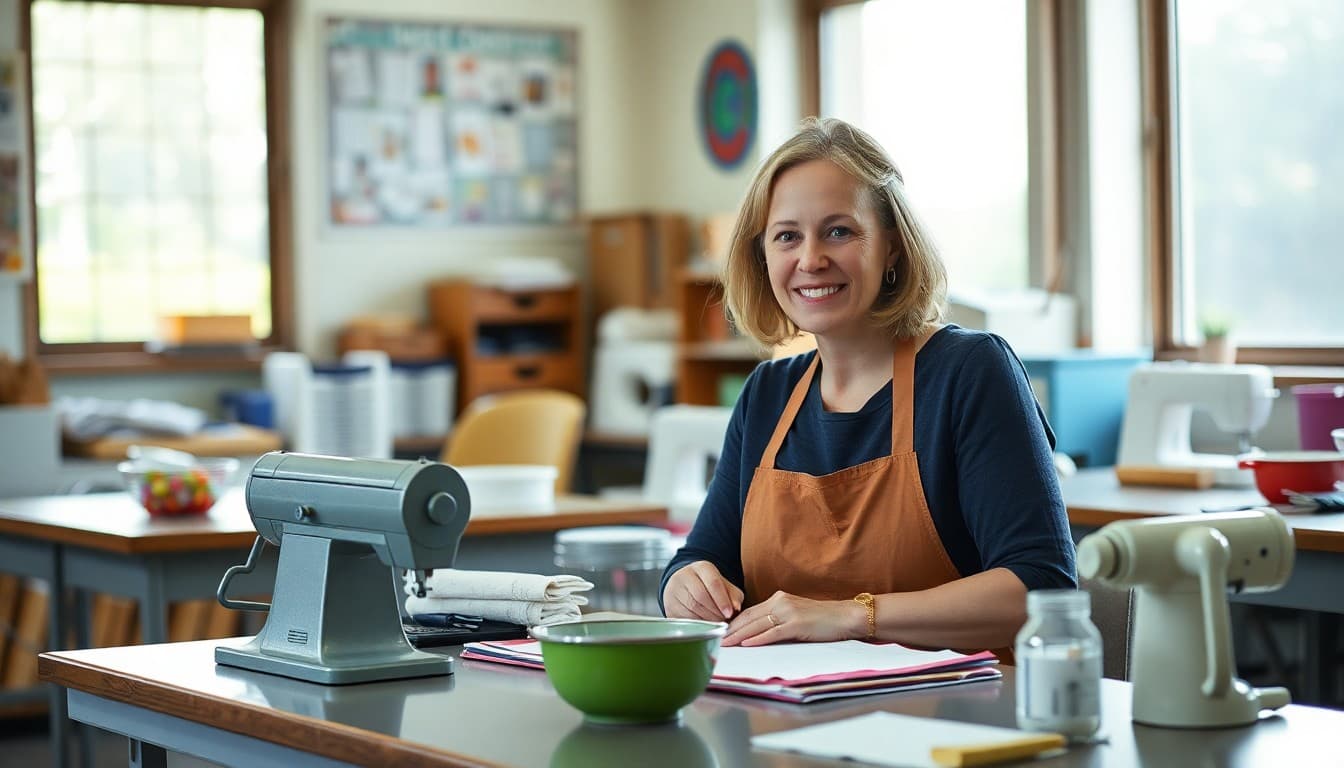
How to Write a Home Economics Newsletter to Parents
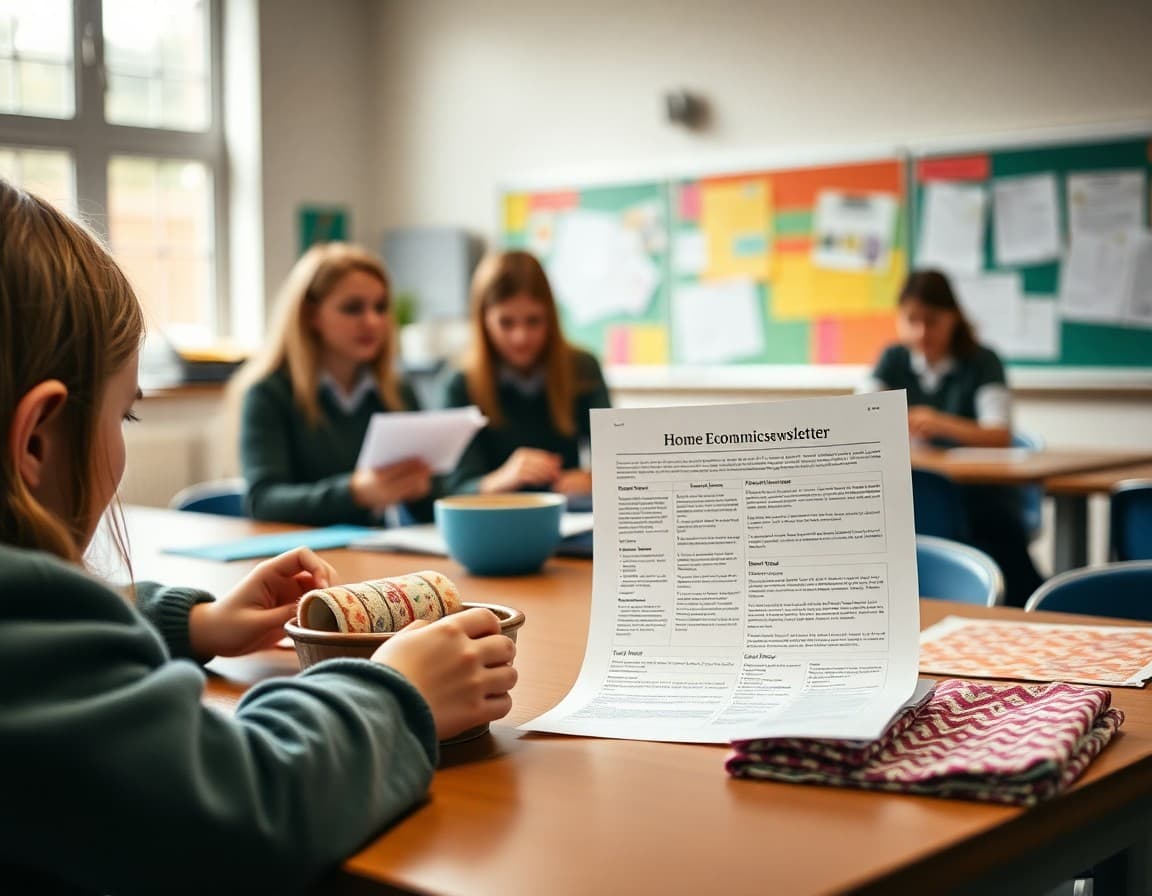
Home economics and family consumer science classes produce something most subjects cannot: food students made, clothes students altered, and budgets students calculated. Your newsletter can show that work rather than just describe it. Here is how to put together a parent communication that reflects the hands-on nature of what happens in your classroom.
Lead With What Students Made or Did
Every home economics newsletter should open with a brief, specific description of what students accomplished most recently. If the class cooked a budget-friendly dinner this week, name the dish and mention the budgeting skill it practiced. If students finished a sewing project, describe it. Leading with the product connects parents immediately to the classroom experience in a way that a unit objective statement cannot.
Describe the Current Unit in Plain Language
After the opening, explain what unit students are in and what they will learn by the end of it. Use the language of outcomes: by the end of this unit, students will be able to plan and cook a balanced meal on a budget, or students will complete a hand-sewn project using at least two different stitches. Outcome language is more meaningful to parents than topic names like "nutrition unit" or "textile fundamentals."
Recipe or Project Card
Include a simplified version of what students cooked or made this week. For cooking units, a short recipe with the key steps is enough. For sewing or textile projects, a brief description of the technique and what students produced works well. Parents often try recipes at home with their child after seeing them in the newsletter. This is one of the highest-engagement sections you can write, and it takes only a few minutes to put together.
Life Skills Connection
Frame every unit in terms of the life skills it builds. Cooking a balanced meal teaches nutrition, budgeting, and time management. Sewing teaches precision, problem-solving, and reducing clothing waste. Personal finance units teach decision-making skills families will use for the rest of their lives. A brief paragraph connecting the current unit to these broader competencies helps parents see the value of the class, especially in schools where home economics competes for respect with more traditional academics.
Upcoming Units and Projects
Let parents know what is coming next in the class. If a cooking unit is starting next week, tell them what the theme is and what kinds of dishes students will be preparing. If a major project is upcoming, describe its scope so families are prepared for any work their student might bring home or need to complete outside class.
Supply Requests
If families need to provide anything for upcoming units, a clear, specific list is essential. Name each item, the quantity needed, the date it is needed by, and whether the school provides anything. If families have a choice between bringing the item or paying a small fee for the school-provided version, include both options. Specific requests get results. Vague requests get confusion.
Ways Families Can Extend Learning at Home
Home economics class has natural extensions at home. Suggest that families cook a meal together using the technique students practiced. Recommend a budgeting app families can explore alongside the personal finance unit. Encourage families to let their student lead a grocery shopping trip with a budget in hand. The more specific the suggestion, the more likely families are to try it.
Contact and Next Steps
Close with your email address, any upcoming field trips or guest speakers, and the date of your next newsletter. If families have questions about supplies or unit content, make it easy for them to reach you. A brief, friendly sign-off keeps the communication warm without taking up unnecessary space.
Get one newsletter idea every week.
Free. For teachers. No spam.
Frequently asked questions
What is the best way to open a home economics newsletter?
Start with what students just made or accomplished. If the class finished a cooking unit this week, lead with what they cooked and what skill they were practicing. If students completed a sewing project, describe it briefly. Home economics produces tangible results, and leading with what students made is more engaging than leading with curriculum objectives. Parents are curious about what their child actually did.
How do home economics teachers explain life skills content to parents who see the class as vocational?
Frame life skills in terms of independence and decision-making. Instead of writing that students learned to sew a button, write that students practiced the kind of small repair that saves money and reduces clothing waste over a lifetime. Instead of saying students cooked a meal, write that they applied unit cost analysis to meal planning and prepared a balanced dish under a budget constraint. The framing matters. Life skills are transferable competencies, and the newsletter is where you make that explicit.
Should home economics newsletters include recipes or project instructions?
Short recipe cards or step-by-step project summaries are among the most shared and appreciated newsletter content in FCS. When parents see a recipe their child made in class, they often try it at home together, which reinforces the learning and creates a family connection to the class. Keep recipes brief: ingredient list, key steps, and the skill the recipe was practicing.
What supply requests belong in a home economics newsletter?
If students need specific ingredients, fabric, or materials for an upcoming unit, list them clearly with quantities and dates needed. Be explicit about whether families are expected to provide supplies or whether the school provides them. Vague supply requests lead to either over-contribution or nothing at all. A specific list with a note about what the school supplies versus what families should bring prevents confusion.
What tool works best for subject teacher newsletters?
Daystage handles recipe cards, project images, and structured newsletter sections cleanly. Home economics newsletters often include more visual content than other subjects, and Daystage's image embedding makes showcasing student cooking and sewing work straightforward.

Adi Ackerman
Author
Adi Ackerman is a former classroom teacher and curriculum writer with 8 years in K-8 schools. She writes about school communication, parent engagement, and what actually works in real classrooms.
More for Subject Teachers
Ready to send your first newsletter?
3 newsletters free. No credit card. First one ready in under 5 minutes.
Get started free