
Home Economics Teacher Newsletter Ideas for Practical Learning at Home

Home economics class touches more of daily life than almost any other subject. The newsletter ideas below are organized around the kinds of units FCS teachers commonly cover, so you can find relevant content ideas wherever you are in the year.
Recipe of the Month
Every cooking unit gives you a natural newsletter section. Share a simplified version of one recipe students made in class, the key steps, the main skill it practiced, and a suggestion to try it at home. Keep the recipe card short: five to seven steps maximum. Parents who receive a recipe their child made and try it at home are reinforcing the learning in the most direct way possible.
If your class covered a recipe that adapts well to family needs, say so. A budget-friendly weeknight dinner or a recipe that uses pantry staples is more likely to get tried at home than something that requires specialty ingredients.
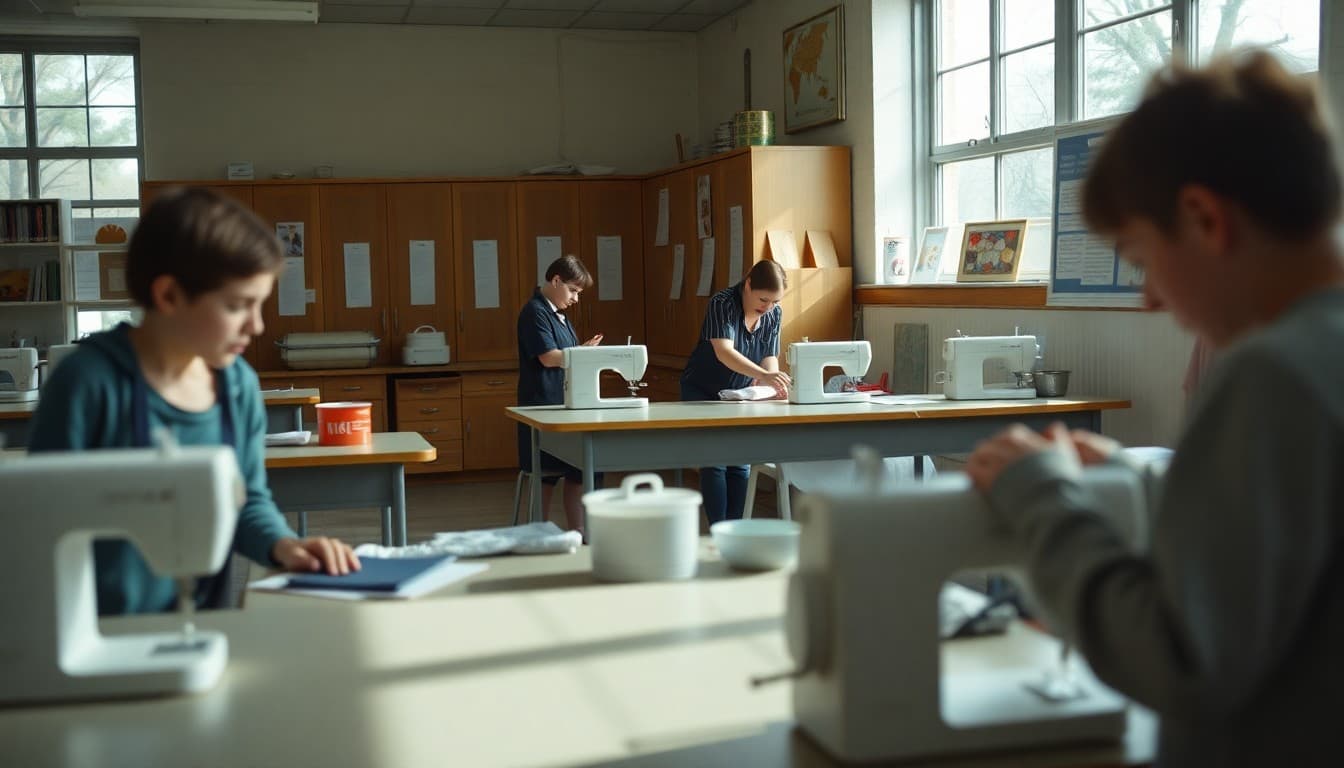
Sewing or Textile Project Spotlight
When students complete a sewing or textile project, showcase it. Describe what students made, what stitches or techniques they used, and how long the project took. A photo of student work is especially effective. If families can send supply contributions for the next project, include the list here with quantities and dates needed.
Nutrition and Food Science Tip
Each nutrition unit gives you content that is directly useful to families. A brief note on how to read a nutrition label, how to evaluate a serving size claim, or how to build a balanced plate using current dietary guidelines is practical and relevant. Families who receive genuinely useful nutrition information from a teacher are more likely to engage with the newsletter than families who get a lesson recap.
Personal Finance Skill of the Month
Personal finance units generate some of the most engaged parent readership because the content is directly applicable to family life. A newsletter item on how to calculate the true cost of a credit card purchase, how to comparison shop for insurance, or how compound interest works in savings accounts gives families a practical tool alongside what students are learning. Include one calculation families can try together.
Consumer Science: Smart Buying Tips
Consumer science units on advertising, product comparison, and buying decisions offer newsletter content families can use immediately. Share one consumer tip from the current unit: how to evaluate unit pricing at the grocery store, how to spot misleading product claims, or how to compare the long-term cost of two products with different upfront prices. This makes the class feel immediately relevant to family finances.
Child Development and Family Studies Connection
For classes that cover child development or family studies, newsletter content can include developmental milestones, communication strategies for families, or principles of positive reinforcement students are studying. Connect the classroom content to what parents experience at home. A brief note on what developmental stage younger siblings might be in, or what the research says about family dinner conversations, adds context that resonates personally.
Home Management and Organization
Home management units on cleaning, organization, time management, and household efficiency connect naturally to family routines. A newsletter tip on how students learned to create a weekly cleaning schedule, or a simple system for meal planning that reduces grocery costs, gives families something actionable and ties directly to what students practiced in class.
Summer Life Skills Challenge
End-of-year newsletters for FCS classes work well when they issue a summer challenge. Ask students to cook one meal per week for the family, manage a small household budget for a month, or complete one clothing repair using the skills from the textile unit. Give families a specific challenge with a concrete outcome. Students who practice FCS skills over the summer return more confident and more capable in the fall.
Get one newsletter idea every week.
Free. For teachers. No spam.
Frequently asked questions
What home economics newsletter topics get the most parent engagement?
Recipe content and student project showcases consistently generate the strongest parent response. When parents can see what their child made or try a recipe at home, the newsletter becomes interactive rather than informational. Personal finance content also gets strong engagement because it is directly relevant to family decision-making. Connect every newsletter to something families can discuss or try together.
How can FCS teachers tie newsletter content to seasonal topics?
Home economics aligns naturally with the calendar. Fall is a natural time for harvest cooking, budget meal planning before the holidays, and textile projects as winter approaches. Spring connects well to nutrition, food safety, and lighter cooking. Personal finance topics like budgeting for summer or comparing credit options fit the end of the school year. Seasonal framing makes the class feel timely and relevant.
Are there FCS newsletter ideas that build parent appreciation for the subject?
Framing life skills in terms of economic value is effective. A newsletter that notes that the budgeting skills covered this unit can save families thousands of dollars over a lifetime, or that basic clothing repair extends the life of garments by years, makes the case for the subject's relevance in concrete terms. Parents who understand the economic and practical value of FCS are more likely to support the program.
What newsletter ideas help FCS teachers communicate with families during non-cooking units?
Non-cooking units like personal finance, child development, or consumer science still offer rich newsletter content. For personal finance units, include a practical tip families can apply. For child development, describe the developmental principles students are learning and how they connect to real caregiving. For consumer science, include a buying guide or comparison tip related to the current topic. The key is connecting every unit to something families can use.
What tool works best for subject teacher newsletters?
Daystage makes it easy to build a home economics newsletter template that includes space for recipes, project images, and unit updates. Set up the template once and update the content each month. Families get a consistent, visually appealing newsletter without extra design work from you.

Adi Ackerman
Author
Adi Ackerman is a former classroom teacher and curriculum writer with 8 years in K-8 schools. She writes about school communication, parent engagement, and what actually works in real classrooms.
More for Subject Teachers
Ready to send your first newsletter?
3 newsletters free. No credit card. First one ready in under 5 minutes.
Get started free