

Health Teacher Newsletter: Communicating Grades to Parents
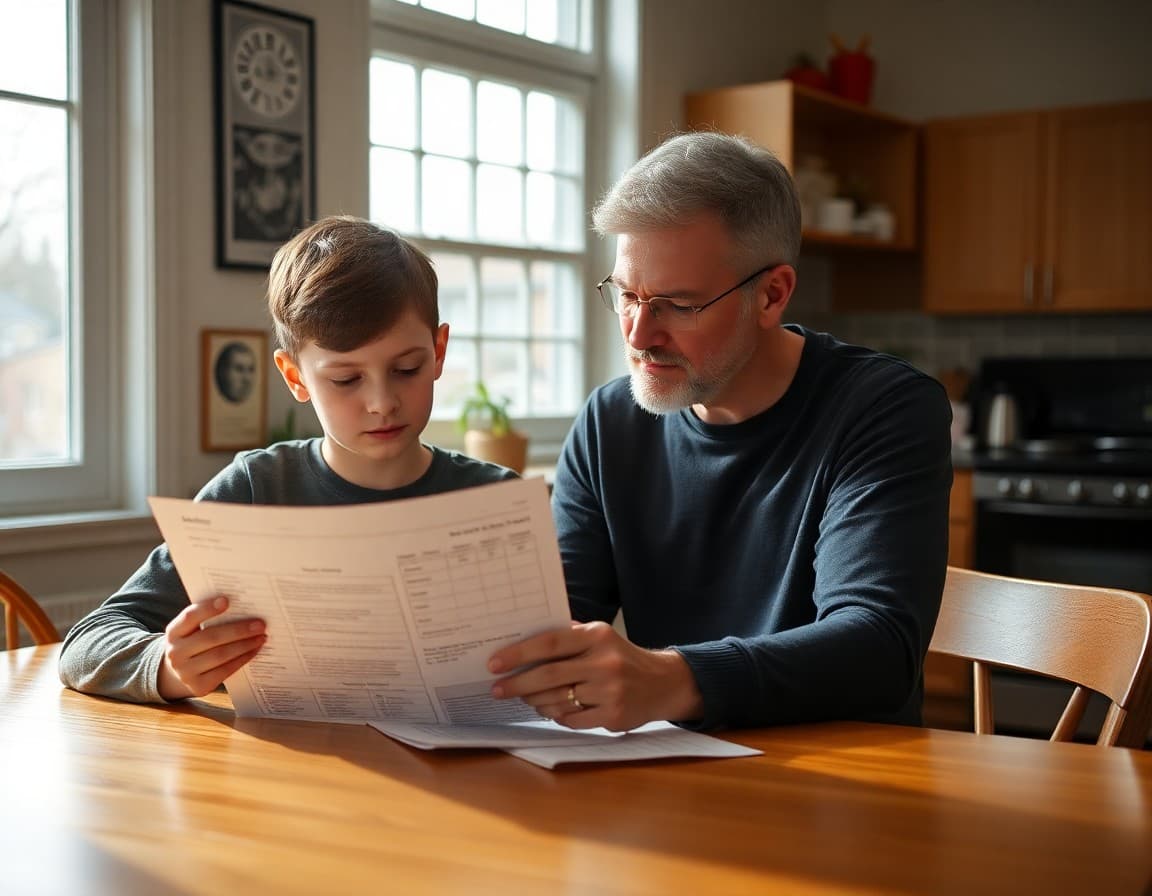
Grade communication in a health class requires more care than most other subjects because the assessment content sometimes touches on sensitive topics that families may not have expected their student to encounter. A grade report newsletter that explains the grading structure, describes assessments in general terms, and identifies recovery options gives families the information they need without inadvertently disclosing what their student shared in a classroom discussion.
This guide covers what to include in a health grade report newsletter, how to discuss participation and assessment in ways that are informative without violating classroom confidentiality, and how to present recovery options clearly.
Open with a recap of the grading structure
Start with a brief review of how grades are calculated in your class. "Health grades come from four areas: unit assessments (40%), written reflections and assignments (30%), participation and engagement (20%), and a semester project (10%). The participation component is often the most misunderstood, so I will address it specifically below." Families who receive the structure before the grades are more able to interpret what they see.
Report on assessments completed to date
List each assessment by name and date with its point value and the class average. Avoid describing the content in detail if the topic was sensitive. "Unit 1 Assessment: Mental Health and Emotional Wellness (October 10, 50 points), class average 39 out of 50. Unit 2 Assessment: Nutrition and Physical Health (October 28, 40 points), class average 34 out of 40. Written reflection, Unit 2 (October 28, 20 points), class average 17 out of 20." These numbers give families context without requiring them to know what specific questions were on the test.

Explain what the assessments measure
Describe the assessment format and the skills being tested in general terms. "Unit 1 assessments used scenario-based questions where students apply health concepts to a fictional situation. Most points lost were on application questions rather than factual recall questions, which is a pattern I often see in the first unit. Students who can name a concept but struggle to apply it to a situation need practice with analysis, not just memorization. Unit 2 assessments included nutrition label analysis and factual questions about macronutrients and energy balance."
Explain the participation component specifically
Participation in health class is often assessed differently than in other subjects because some students are uncomfortable discussing health topics publicly. Explain your approach. "Participation in health class is assessed on four behaviors: arriving prepared with materials ready, engaging with class activities such as small group discussions or written responses during class, following the discussion agreement (what is shared in the room stays in the room, no personal disclosure is required), and respecting classmates during discussions. Students are never graded on their personal opinions about health topics. A student who disagrees with a position covered in class and expresses that respectfully earns the same participation credit as a student who agrees. Silence throughout an entire class activity earns zero participation credit for that segment."
List missing work and recovery options
Name any missing assignments and the deadline and process for late submission. "The following assignments are currently missing from the grade book: Unit 2 written reflection, due October 28. This assignment is available for late submission with a 5% per school day late deduction through November 8. The prompt is posted on Google Classroom. Students who submit by November 3 will receive a maximum of 85% on the assignment. Students who submit after November 8 will receive a zero for this assignment."
Tell families what the next unit requires
Close the grade section by looking forward. Name the next unit and what it will involve. "Unit 3, Substance Use Prevention, begins November 11. This unit covers the physiological effects of common substances, the role of peer pressure in substance use decisions, and evidence-based refusal strategies. Families who received the beginning-of-year newsletter can refer to that document for the opt-out process if they choose to use it. I will send a unit-specific newsletter before November 11 with more detail about the content."
Give families a way to support improvement at home
Provide specific, practical guidance for families who want to help their student improve. "Students who scored below 70 on the Unit 1 assessment can review the scenario questions at home by asking themselves: What is the problem being described? What is causing it? What are the possible responses? Which response is most likely to help and why? Practicing this analysis structure with any scenario, health-related or not, builds the critical thinking skill the assessment tests." This advice is actionable without requiring the family to have health content knowledge.
Close with the next assessment date and your contact information
End with the date of the next unit assessment, a note on what it will cover in general terms, and your email address. Health grade questions sometimes involve sensitive questions families feel awkward asking. Making yourself easy to reach with a clear response time expectation removes the friction from asking.
Get one newsletter idea every week.
Free. For teachers. No spam.
Frequently asked questions
What should a health grade report newsletter include?
Cover the grading categories and their weights, the assessments completed to date with their formats and class averages, participation expectations and how they are assessed, any missing or incomplete work with recovery options, and what the next unit will require. For health class specifically, clarify that participation grades are not based on personal opinions about health topics but on engagement with class activities and adherence to discussion ground rules.
How do you explain a low participation grade in health class without disclosing what a student said?
Be specific about the behavior without referencing specific content. 'Participation in health class is assessed on four behaviors: arriving prepared, engaging with class activities (including discussions and group work), respecting discussion ground rules, and following the class agreement about confidentiality during sensitive discussions. Your student has been present and prepared but has consistently opted out of group discussion activities. Even a brief contribution earns full participation credit for that segment. Silence throughout a full discussion activity does not.'
How do you address a low assessment score in health class?
Explain what the assessment measured and what the most common missed topics were. 'The Unit 1 assessment covered the signs of stress and anxiety, the difference between healthy and unhealthy coping strategies, and two evidence-based stress management techniques. The most common areas where points were lost were on the scenario analysis questions, where students sometimes described what a character was feeling but did not identify the specific coping strategy being used or evaluate its effectiveness. These are application questions, not recall questions, and they require students to use the concepts, not just name them.'
How do you communicate a missing assignment in health class without disclosing sensitive content the student submitted?
Reference the assignment by name and deadline only, not by topic. 'Your student has not submitted the Unit 2 written reflection that was due October 28. This assignment is available for late submission with a 10% per day late penalty through November 8. The assignment prompt is posted on the class Google Classroom page. Please encourage your student to complete and submit it this week.'
How does Daystage help health teachers send grade report newsletters?
Daystage lets you organize a grade report newsletter with clear sections for each grade category, the assessment list, and recovery options without needing to include sensitive content details. The delivery tracking shows which families read the newsletter, which is useful when a student's grade is low enough that a follow-up call before report cards is warranted.

Adi Ackerman
Author
Adi Ackerman is a former classroom teacher and curriculum writer with 8 years in K-8 schools. She writes about school communication, parent engagement, and what actually works in real classrooms.
More for Subject Teachers
Ready to send your first newsletter?
3 newsletters free. No credit card. First one ready in under 5 minutes.
Get started free