

English Language Arts Teacher Newsletter: Club and Activity Newsletter
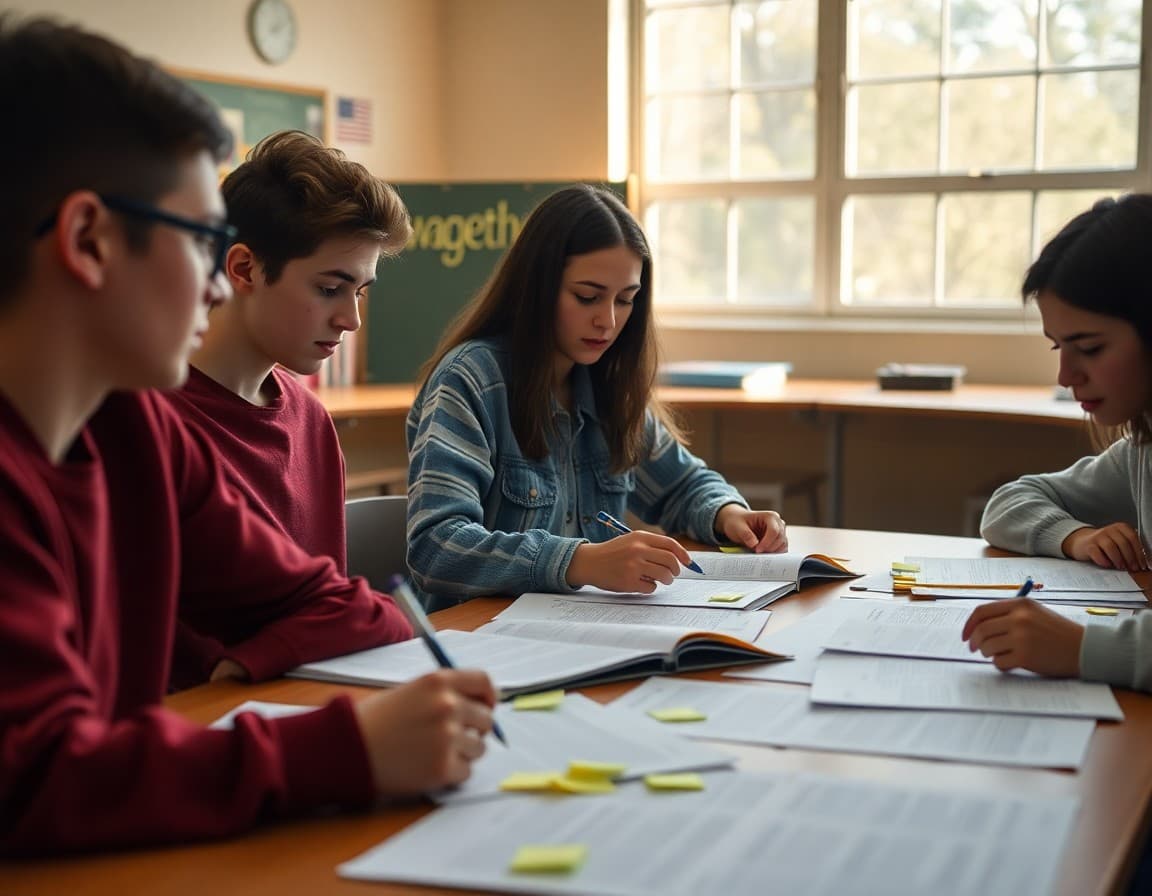
Running a book club, literary magazine, debate team, or writing workshop means you are doing teacher work outside teacher hours. The students who show up are motivated. But keeping families in the loop, and keeping students engaged between meetings, depends on communication that actually reaches people. A well-written extracurricular newsletter does that without taking more than twenty minutes to produce.
Lead with what the club is working on right now
Families and students both need to know what is happening in the current cycle. Do not open with logistics. Open with the work. "This month, Book Club is reading Celeste Ng's Everything I Never Told You. We are looking specifically at how Ng uses parallel timelines to build dramatic tension and what that technique demands of a reader." This kind of opener signals that the club is intellectually serious, gives families something to discuss at home, and reminds students why they joined.
If the club is in a production phase, name what stage you are in. "The literary magazine team submitted the final manuscript to the printer this week. We are now in the proofreading window. Every editor has a packet of 12 pages to review before Thursday." Specificity creates accountability and helps families ask useful questions.
Name exactly what students need to do before the next meeting
Extracurricular clubs often lose momentum because students are not sure what is expected between sessions. Your newsletter should close that gap. "Before our next meeting on the 14th, members should have read chapters 11 through 18 and written at least one discussion question in the back of their reading journal. If you have not picked up a journal yet, there are extras in room 214." This level of clarity makes the club feel organized and makes it easier for students to follow through.
For debate team: "Before Thursday's practice round, each student should have a two-minute constructive speech prepared for the Lincoln-Douglas resolution we distributed last week. Bring two printed copies, one for yourself and one for your practice partner." Students who know exactly what to prepare arrive ready, and meetings run better.
Include a real template excerpt for a literary magazine update
Here is a newsletter excerpt that works for a literary magazine in the editing phase:
"Dear Families and Literary Magazine Members, We are in the home stretch. The submission window closed Friday with 87 pieces submitted, our highest count in three years. This week, section editors are meeting with their teams to make final selections. If your student is a section editor, they should expect to spend about 90 minutes outside of our regular meeting time on selection work before Wednesday. Full club meeting is Thursday at 3:15 in room 214. Theme for this issue: Thresholds. All students are encouraged to attend even if their section work is complete."
This kind of update gives families a real picture of the scope of the project and explains why their student may need dedicated time outside of club meetings.
Use the newsletter to promote member recruitment when appropriate
If your club is in a recruitment window, say so clearly. "We are opening enrollment for the second semester. Students who want to join the writing workshop need to submit one piece of original writing, two pages maximum in any genre, to room 214 by January 20. No prior workshop experience is required. We especially encourage students who write in any language at home to submit." This kind of direct language works better than a vague invitation.
Attach any application materials directly in the newsletter so families and students do not have to go looking for them. If you are using Daystage, you can include a link to a Google Form or attach a PDF in the same send.
Announce events with enough lead time to matter
Book clubs, writing workshops, and debate teams all have events: readings, performances, competitions, publication releases. Give families at least three weeks for anything that requires their attendance or a schedule change. "Mark your calendars: the spring literary magazine release is Friday, May 2 at 6:30 PM in the school library. This is the public debut of everything your student's club has built this year. We hope to see families there."
For competitions that involve travel: include the location, departure time, approximate return time, and what students need to wear. Do not assume families know the competition format. A one-paragraph explanation of what a Lincoln-Douglas debate round looks like helps families who have never attended a competition understand what they will see if they come.
Celebrate visible progress and student work
Extracurricular newsletters have more latitude than classroom newsletters to name students directly and celebrate their work. "Congratulations to Mireille Okonkwo, whose personal essay on code-switching was selected as the opening piece for this year's magazine. Her work set the tone for the entire issue." Students who see their names in a newsletter the whole family receives feel recognized in a way that a private comment in class does not replicate.
You can also highlight club milestones: "Our debate team has now competed in five invitationals this year with a combined record of 14 wins and 8 losses. That is a 37% improvement over the same point last year." Numbers make progress visible.
Keep the format consistent so families know what to expect
Use the same structure every time you send. A subject line that includes the club name and the date, an opening that names what the club is currently working on, a clear section on what students need to do before the next meeting, and a logistics block with dates. When families learn the rhythm of your newsletter, they open it instead of skimming it.
One newsletter per month during slow periods and once a week in the final push before a major event is a cadence that works for most literary arts extracurriculars. Keep each send under 400 words. Families read newsletters that respect their time.
Get one newsletter idea every week.
Free. For teachers. No spam.
Frequently asked questions
What should an ELA extracurricular newsletter cover?
It should cover the club's current project or text, upcoming deadlines or events, what students are expected to do before the next meeting, and any materials they need to bring. For clubs like a literary magazine or debate team, include a brief update on how the work is progressing. Families are more likely to support participation when they understand what the club is actually doing rather than just when it meets.
How often should I send a newsletter for a book club or writing workshop?
Once every two weeks is usually enough for most extracurricular programs. If your club is building toward a specific event, like a poetry slam or a magazine publication date, weekly updates in the final three to four weeks before the event help families plan and keep students on track. Avoid sending so frequently that families start ignoring the messages.
How do I explain the purpose of a literary magazine club to parents who are unfamiliar with it?
Keep it concrete: 'Our literary magazine is a student-produced publication that collects original poetry, short fiction, personal essays, and visual art from students across the school. Students in the club work as editors, layout designers, and section leads. This year we are producing 150 printed copies that will be available in the library and at our spring release event.' When families understand the tangible outcome, they understand why the club matters.
How do I handle newsletter communication for a debate team that travels to competitions?
Send two types of newsletters: a regular update for the training and practice cycle, and a separate logistics newsletter before any competition that includes location, departure time, expected return time, dress code, and what students need to bring. Many families need at least two weeks advance notice to arrange transportation or take time off work for competitions, so send logistics notices early and send a reminder the week before.
What tool works well for ELA club newsletters?
Daystage is a good fit because it lets you send directly to family email inboxes without requiring parents to install an app or create an account. You can build a clean, readable newsletter with the current club project, a reading list, or a submission deadline, and send it to everyone on the club roster in one step. For clubs where the audience includes both students and families, you can send separate versions of the same newsletter with different levels of detail.

Adi Ackerman
Author
Adi Ackerman is a former classroom teacher and curriculum writer with 8 years in K-8 schools. She writes about school communication, parent engagement, and what actually works in real classrooms.
More for Subject Teachers
Ready to send your first newsletter?
3 newsletters free. No credit card. First one ready in under 5 minutes.
Get started free