

Economics Teacher Newsletter: Supply Request Newsletter Guide
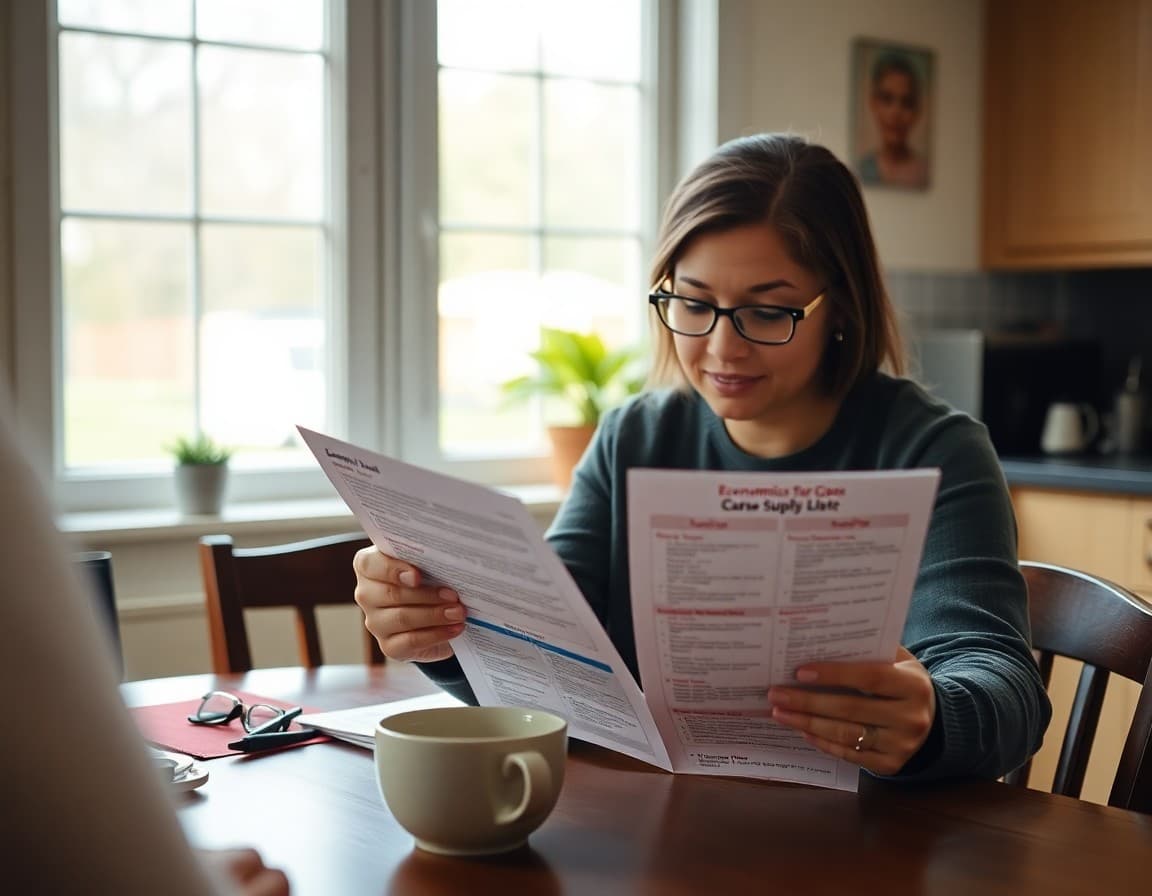
A supply request newsletter sounds like the simplest thing an economics teacher sends home. But a vague or poorly timed supply list creates first-week friction that a clear newsletter prevents entirely. Here is how to write one that gets families what they need to know and gets students into class prepared.
Why a Supply Request Newsletter Is Worth Doing Well
The first week of school is when you establish whether families see you as organized and communicative or reactive and unclear. A supply newsletter that arrives early, explains what is needed and why, and addresses common questions before they are asked signals to families that they can expect the same quality of communication all year.
For economics specifically, some supply requests are non-obvious. A graphing calculator, a specific notebook format, or a news app subscription can confuse families who do not know why those items matter in an economics class. A sentence of explanation for each unusual request saves you a dozen identical emails in the first week.
Building the Supply List
Split your list into required and optional categories. Required means the student cannot function without it in your class. Optional means it would help but you will work around its absence. Parents appreciate the distinction because it tells them where to prioritize their spending.
For a high school economics class, required supplies typically include:
A dedicated binder or notebook for economics only (not shared with other subjects, because students will refer back to earlier notes frequently). A calculator capable of basic statistical functions (list the specific models approved for your tests). Pencils for graph work and pens for written responses. Access to the internet outside school for current events research.
Optional: colored pens or highlighters for annotating graphs and charts, a folder or pocket for keeping returned work organized through the year.
The Calculator Question
Calculator requirements cause more supply newsletter confusion than anything else in economics class. Be exact. If you allow the TI-30XS and the Casio FX-300ES, list both. If the school has a class set available, say so. If you allow any scientific calculator, say that too. Vague language like "a graphing or scientific calculator" sends families to a store with no idea whether a $12 calculator is acceptable or whether they need the $120 model.
Sample Supply Request Section
Here is a template excerpt:
"What Your Student Needs for Economics: (1) A dedicated two-pocket folder or 1-inch binder with dividers. Economics notes build on each other, and students who keep all their materials in one place do noticeably better on cumulative assessments. (2) A scientific calculator. The TI-30XS Multiview or any similar model is fine. We do not need a graphing calculator. The school has a class set, but students who bring their own can keep them for the AP exam if they choose to take it. (3) A notebook or lined paper for daily notes. (4) A free News in Levels account. I will walk students through the setup in class. This is the source we use for weekly current events, and it adjusts reading level to each student."
Addressing Equity Directly
Add a brief note that supplies are available in the classroom for students who need them. "If purchasing any item on this list is a hardship, please email me before the first day and I will make sure your student has everything they need." This single sentence removes the barrier for families who might otherwise have a student show up underprepared rather than ask for help.
Timing and Delivery
Send the supply request newsletter two to three weeks before school starts if you are setting up the year, or two weeks before a semester starts if you are mid-year. Pair it with a brief reminder in your first-day-of-class note.
If you send it digitally, include an option to print the list. Some families shop from a paper list and will appreciate having a format that works off-screen.
Following Up on Missing Supplies
During the first week, note which students are missing key materials. Follow up by email with those families individually rather than sending a class-wide "reminder" newsletter that can feel like a scolding to families who did come prepared. A direct, private message is more effective and less alienating than a mass reminder about something most families already did.
Get one newsletter idea every week.
Free. For teachers. No spam.
Frequently asked questions
What supplies does a high school economics class typically need?
Most economics classes need a three-ring binder or dedicated notebook, a scientific or graphing calculator (check whether your assessments require a specific model), lined paper, colored pens or pencils for graph work, and access to a news source for current events assignments. Some teachers also ask for index cards for vocabulary work and a folder for storing returned assessments.
When should I send a supply request newsletter?
Send it two to three weeks before school starts, or at the beginning of the semester for spring courses. Families who get the list early can purchase supplies on sale during back-to-school shopping season rather than scrambling in the first week. A reminder in your first-day-back communication is a good follow-up for families who missed the initial newsletter.
How do I handle families who cannot afford the supplies?
Mention in the newsletter that basic supplies are available in your classroom for students who need them. You do not need to require families to request them formally; a simple note that no student will lack what they need for class covers the issue without singling anyone out. Many schools have classroom supply funds through the PTA that teachers can draw on.
Should I explain why I need each supply?
For unusual requests, yes. If you ask for a specific calculator model, explain that it is required for the AP exam or that your class uses certain functions that not all models support. If you want colored pens, mention that students use them to annotate supply and demand graphs. A brief reason makes compliance much higher because families see the ask as purposeful.
What tool helps economics teachers send supply request newsletters efficiently?
Daystage makes it easy to format a supply list visually, include photos of what items look like if needed, and send to all families with one click. You can also include a note about which supplies the school provides and which families are responsible for, which reduces the most common follow-up questions.

Adi Ackerman
Author
Adi Ackerman is a former classroom teacher and curriculum writer with 8 years in K-8 schools. She writes about school communication, parent engagement, and what actually works in real classrooms.
More for Subject Teachers
Ready to send your first newsletter?
3 newsletters free. No credit card. First one ready in under 5 minutes.
Get started free